acintya
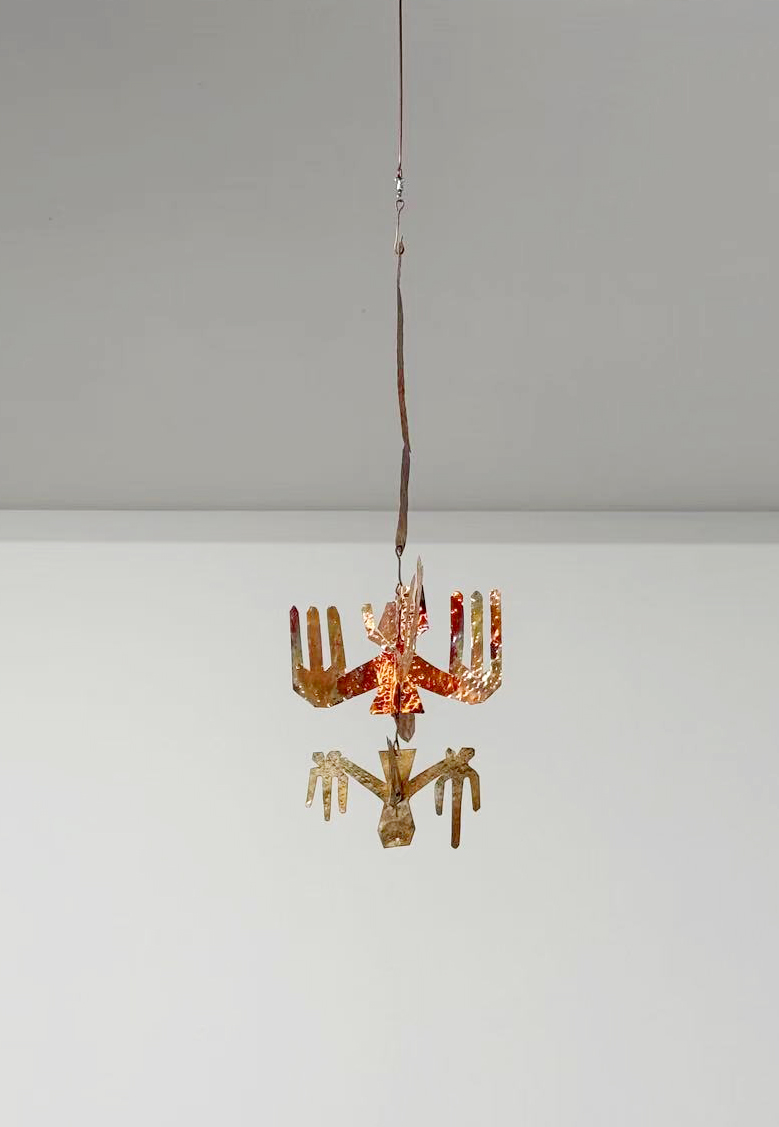
ZHANG Hua
Group Exhibition, Galerie Met, Berlin, Germany
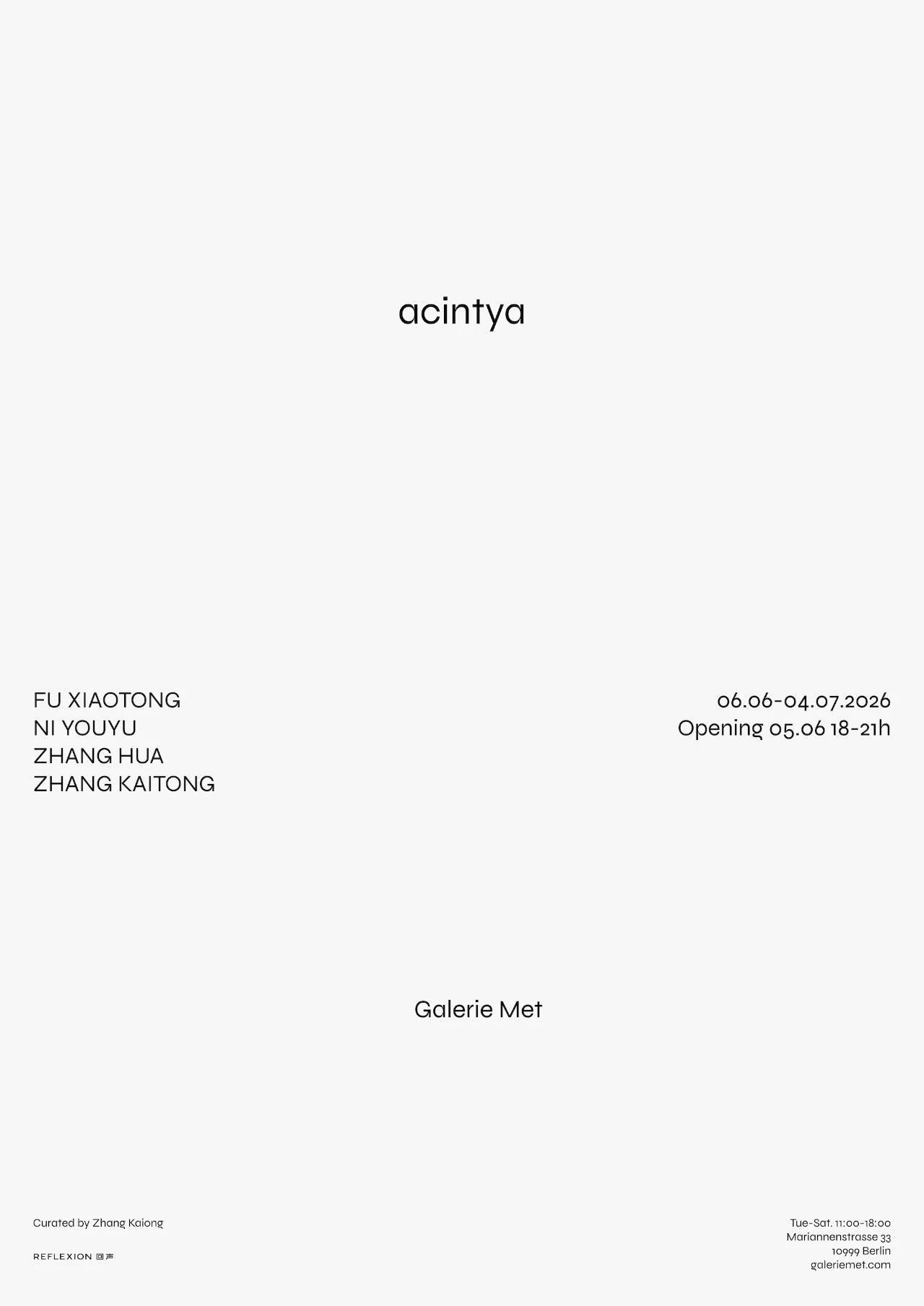
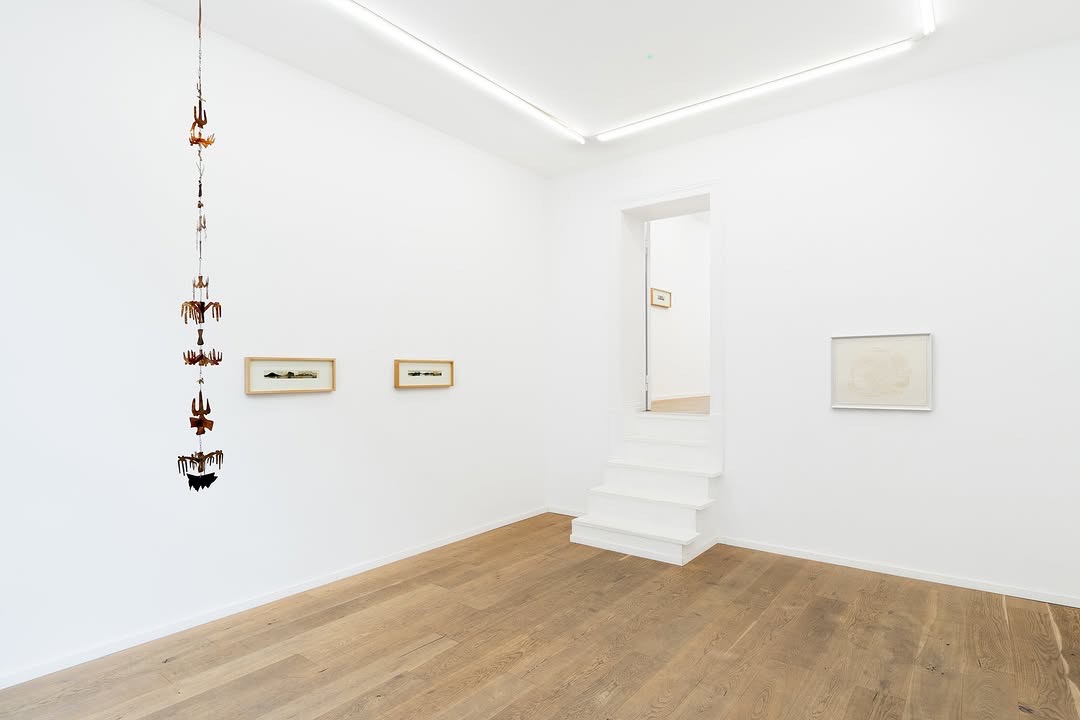
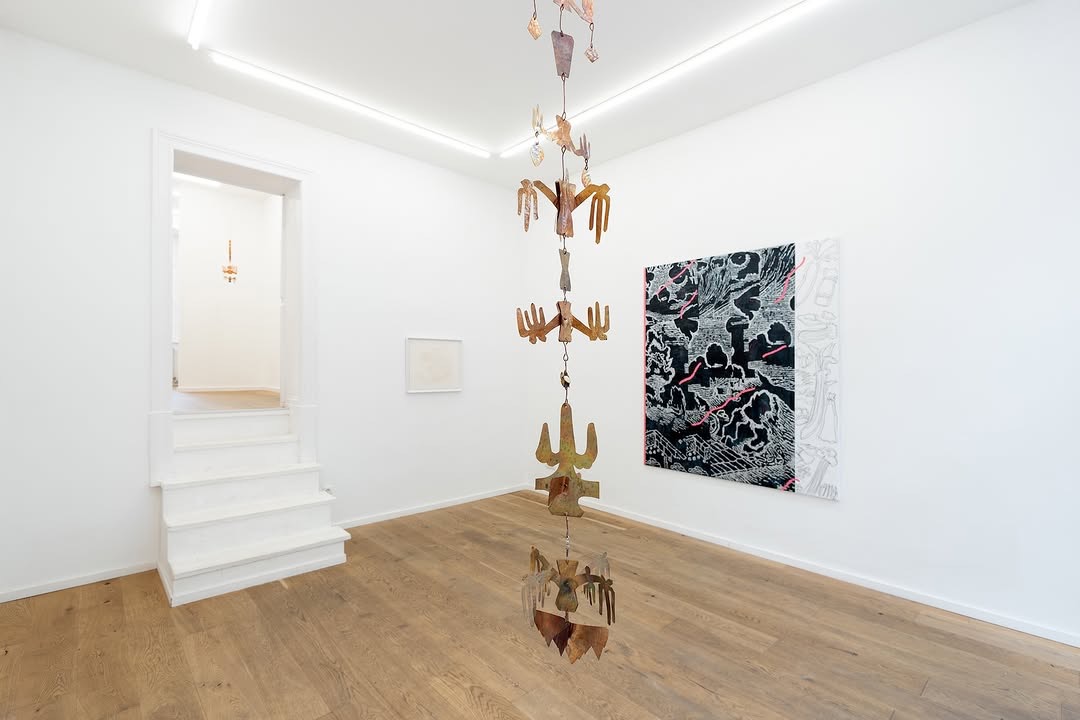
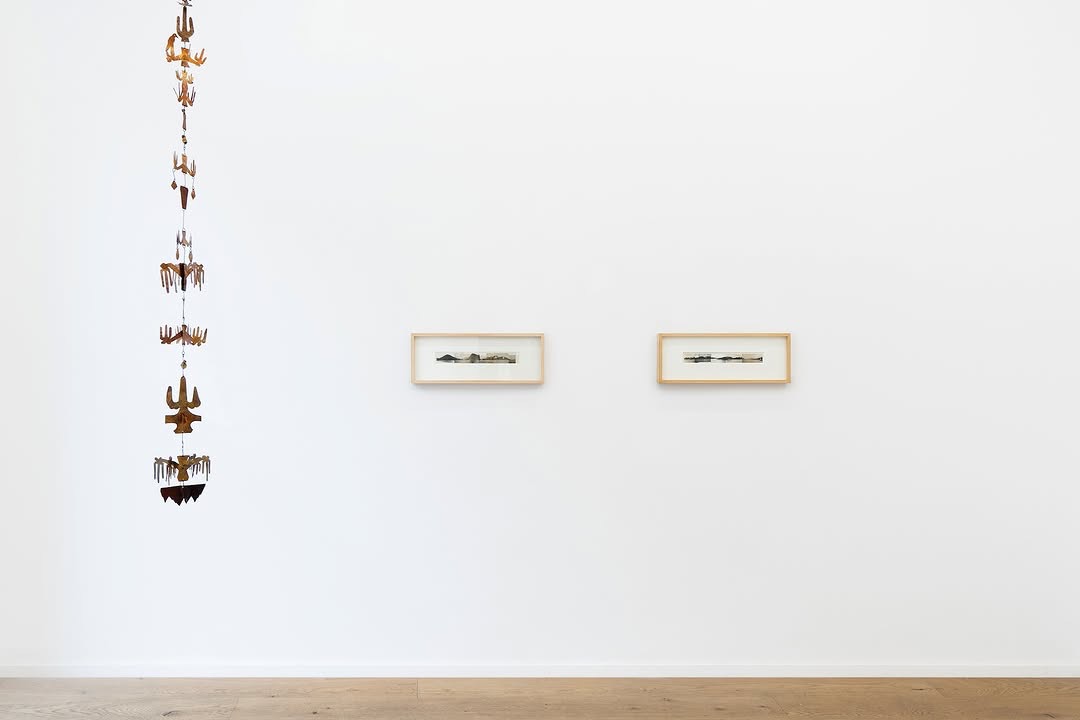
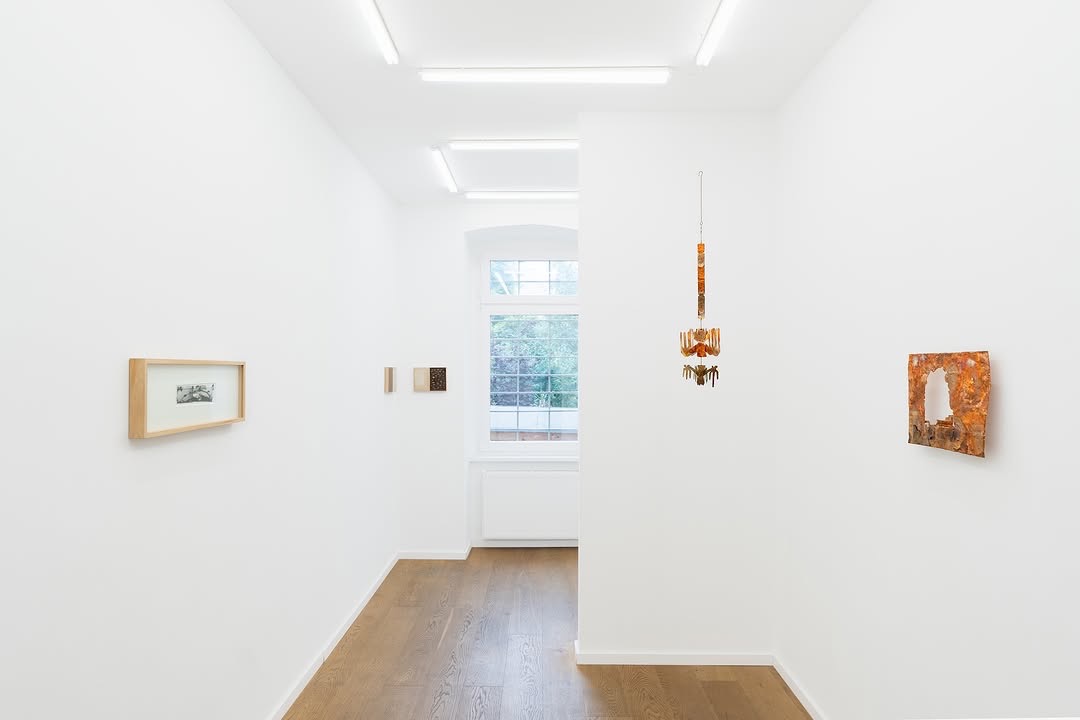
Acintya is a term in Buddhist epistemology pointing to what conceptual thought cannot exhaust, suggesting the limits of rea-son in its attempt to grasp objects. In the exhibition acintya, the four artists Fu Xiaotong, Ni Youyu, Zhang Hua, and Zhang Kaitong approach this condition through distinct methods within their respective practices: images continually shift their relations to one another as they are read and reassembled, leaving perception unable to settle into any single interpretation, constituting the exhibition’s underlying thread.
Fu Xiaotong’s NUN-2026 series revolves around a philosophical question: what remains when language, knowledge and looking have each reached their respective limit? NUN-2026-1 and NUN-2026-2 share old book pages and covers as their material. In the former, beeswax seals the Great Mother, an archetypal image predating written language. In the latter, eye-shaped voids are cut into an old book cover and are filled with plaster and epoxy resin, casting them into form, yet they still appear not fully fixed. In both works, the facing pages remain blank—the forms of reading and looking persist, but their referent is absent. In NUN-2026-3, the artist repeatedly pierces handmade Xuan paper with a needle; dense holes gradually accumulate across the surface to form a field constituted by void, sustaining its form in a state of threshold. Through the se-ries, the works reach the boundaries of language, looking, and form, and beyond these limits something unnameable contin-ues to emerge and has never ceased.
Installation Views