The Third Dehong International Art Biennial | Becoming Borderlands: Mountains, River Valleys and People on the Move
ZHANG Hua
Curators: Luo Fei, Li Chun
Group Exhibition, Dehong Prefecture Art Museum, Yunnan
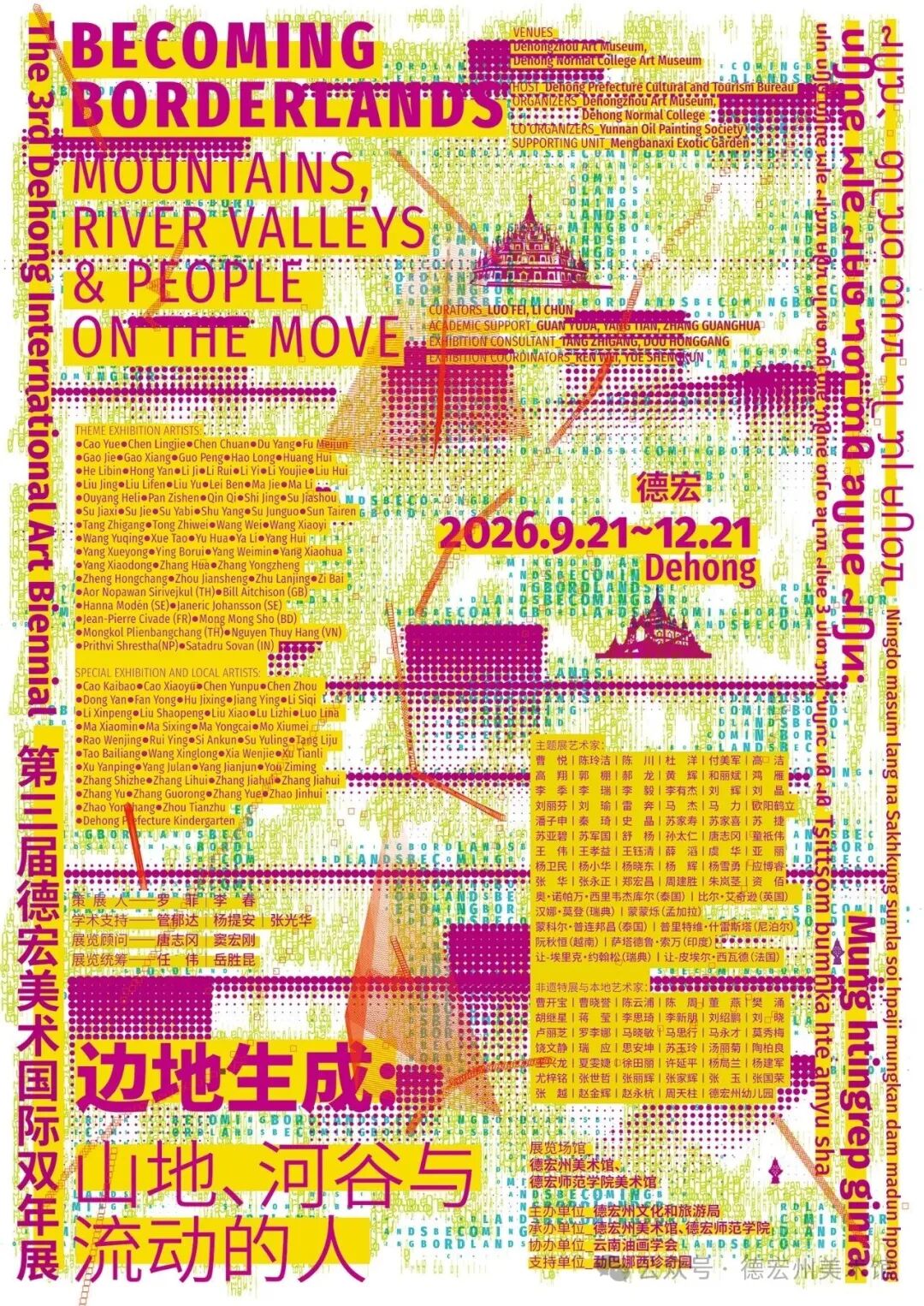
Dehong lies on the southwestern border of China, sharing mountains and rivers with Myanmar. It is both a place where a national border is located and a region where different ethnic groups, languages, religions, and ecosystems have long come into contact. Mountains, rivers, valleys, roads, and border crossings have together shaped the cultural landscape of the region. Migration, trade, work, belief, and memory continue to reshape how people understand “place.”
A border is usually understood as a line on a map. For people who have lived here for generations, however, it is closer to a space where relationships are constantly formed. Its form is never fixed. It has been shaped over different historical periods by migration, trade, war, technology, policy, and everyday life. As recent historical and anthropological studies of the China–Myanmar border have shown, a border is not simply a geographical fact established by the state. It is also a social space that people continuously live in, use, imagine, and redefine.
The theme of this biennial, “Becoming Borderlands: Mountains, River Valleys, and People on the Move,” seeks to move beyond a single geographical understanding of border regions. Rather than seeing Dehong as a fixed peripheral space, it approaches the region as a cultural field that is constantly taking shape. “Becoming” suggests that a place is never a finished object. Mountains and rivers shape ways of life; rivers connect different regions; roads and border crossings bring continuous movement; settlements take shape through everyday practices; and people’s memories, bodies, imaginations, and technologies continually change the places in which they live.
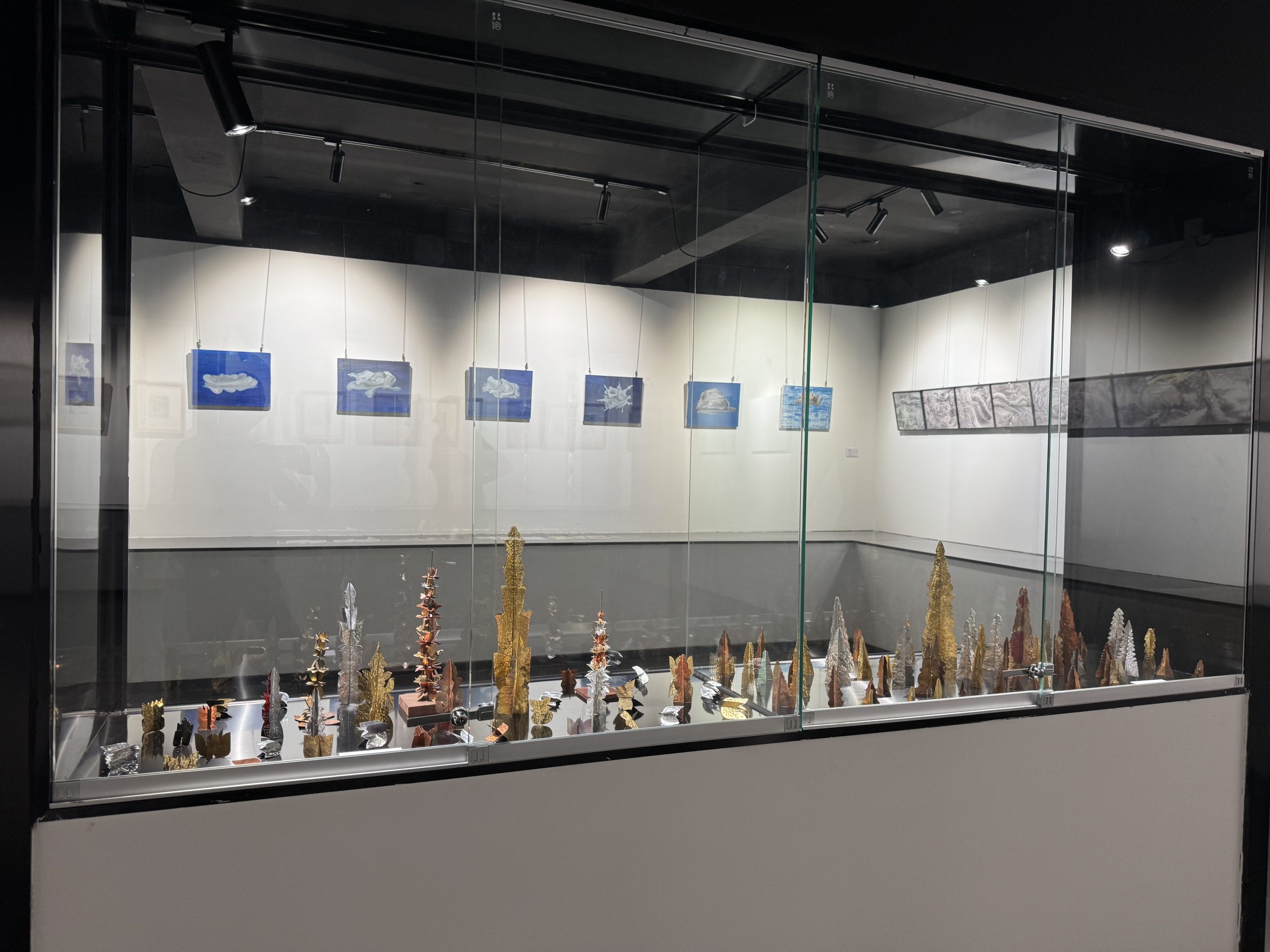
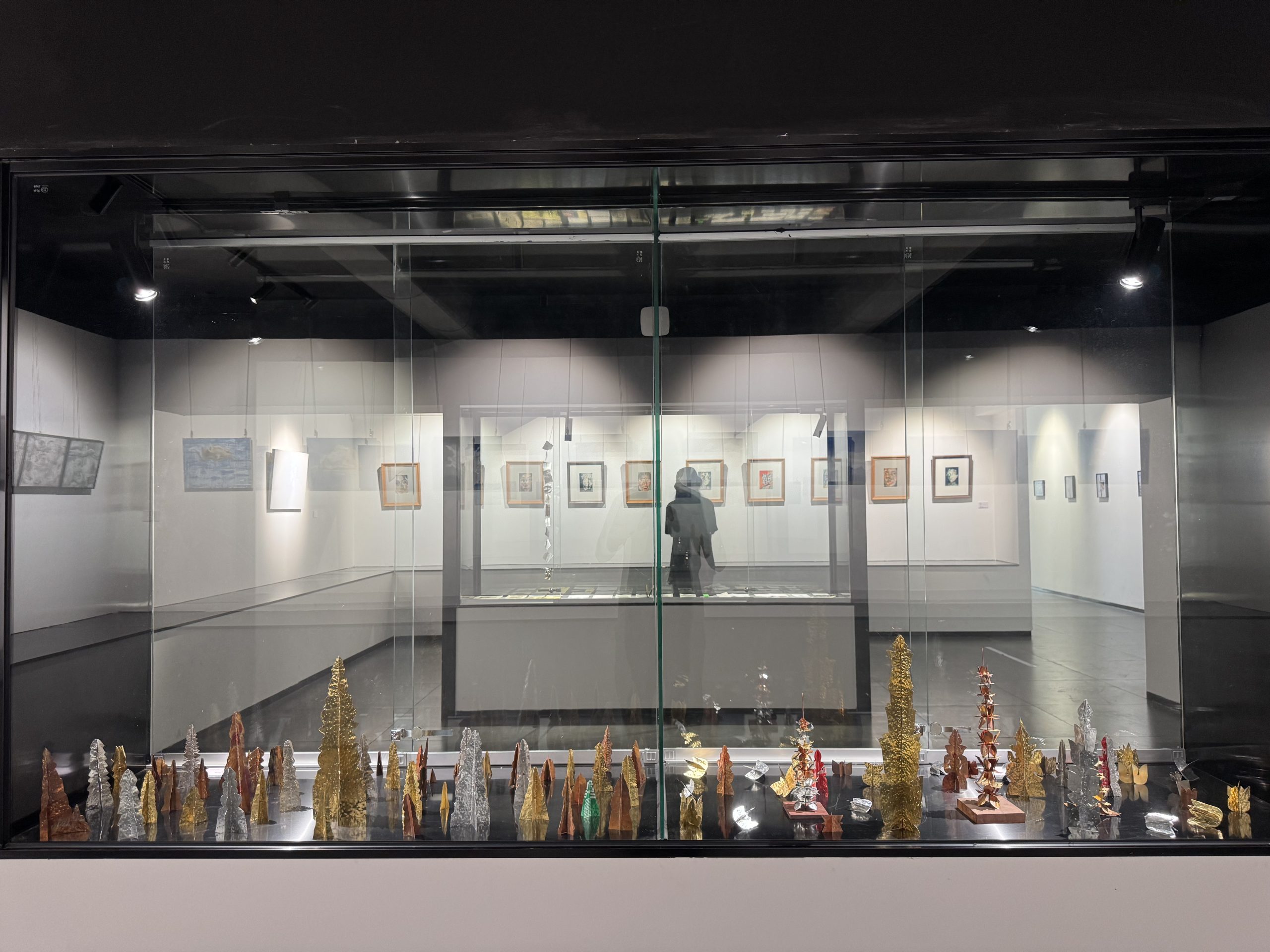
The biennial brings together artists from Dehong, Yunnan, and other parts of China, as well as from Southeast Asia, South Asia, and Europe. Not all of the works directly take Dehong as their field of research or subject. Instead, they respond to different aspects of mountains, river valleys, movement, settlements, and borders through the artists’ own experiences, regional contexts, and artistic practices. Painting, photography, installation, sculpture, video, and mixed media are brought together here in an open relationship of viewing. Some works emerge from direct observation of particular places, while others approach the theme through imagination, perception, personal memory, and metaphor, creating connections between Dehong and other mountainous, riverine, and border regions.
The exhibition consists of five thematic sections and one special exhibition. “Mountains: A World in Folds” begins with forests, plants, courtyards, and the body, considering the mountain both as a natural environment and as a space of spirit, memory, and imagination. “River Valleys: Homelands Shaped by Water” looks at the relationships between rivers and villages, work, festivals, and historical memory, extending from different experiences of rivers toward questions of home and change. “Passages: Networks of Movement across the Border” starts with roads, maps, trade, travel, and cross-border experiences, considering how people, objects, information, and imagination move across borders, and the relationship between movement and restriction. “Settlements: Everyday Life on the Valley Plains” returns to concrete places of everyday life, observing how places are continually produced through bodies, labor, objects, people, and ordinary actions. “Transformation: Reimagining Place” opens a further space between reality and imagination. Beginning with cities, architecture, memory, the body, and imagination, it considers how places are recombined, transformed, and viewed through art, and how they can take on forms different from everyday experience. The five sections are not closed chapters, but overlapping ways of looking. The placement of works in different spaces may also create new connections.
The biennial also presents a special exhibition, “Dehong Intangible Cultural Heritage: Revitalization and Craft,” bringing the practices of ICH practitioners, folk artists, and related teachers and students into the exhibition. Craft is not a static remnant of tradition. It is knowledge and practice that continues through materials, bodies, learning, and community relationships. It reflects Dehong’s rich local cultures while also responding to the theme of “Becoming Borderlands.” Tradition does not end in the past. It can continue to change in the present and find new ways of expression.
From mountains to river valleys, from passages to settlements, and from everyday life toward place imaginaries, this biennial does not seek to construct a complete image of Dehong. Instead, it presents a number of relationships that are still taking place. A borderland is not only a geographical location. It is also a place where people and nature, people and people, the local and the distant, the past and the future continually meet. Perhaps what art can do here is not to give the place a fixed definition, but to make visible relationships that are still unfinished.
For this reason, the borderland is no longer a fixed peripheral zone, but an ongoing relationship. It connects and separates; it allows movement while creating barriers. A place takes shape through these continuing movements, encounters, and changes.
Luo Fei, Curator
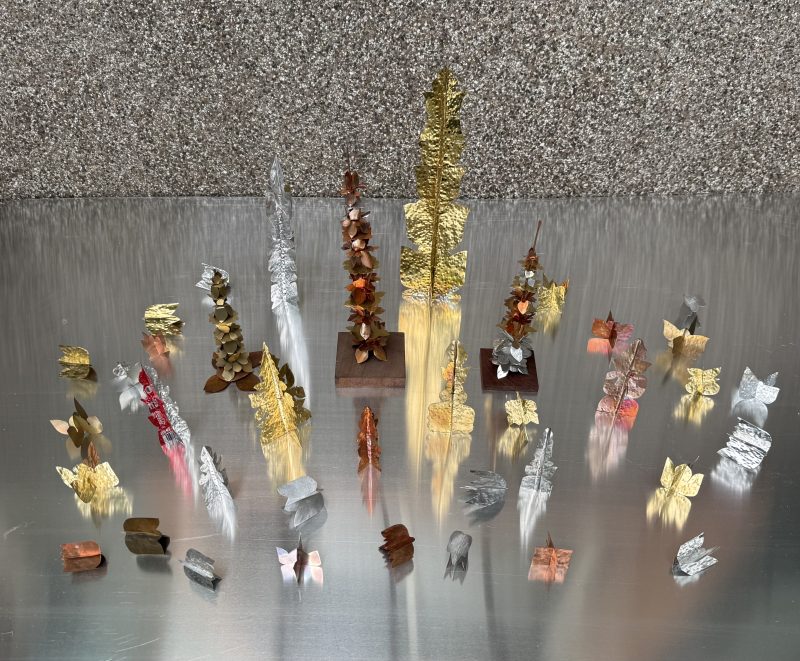
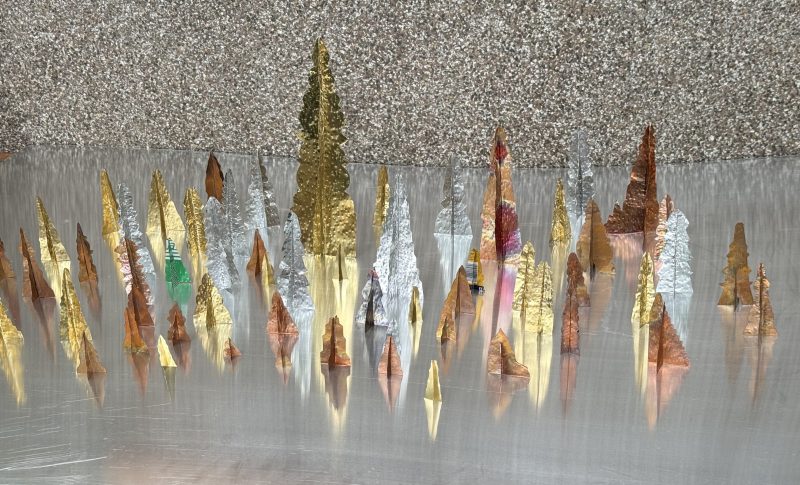
Installation Views