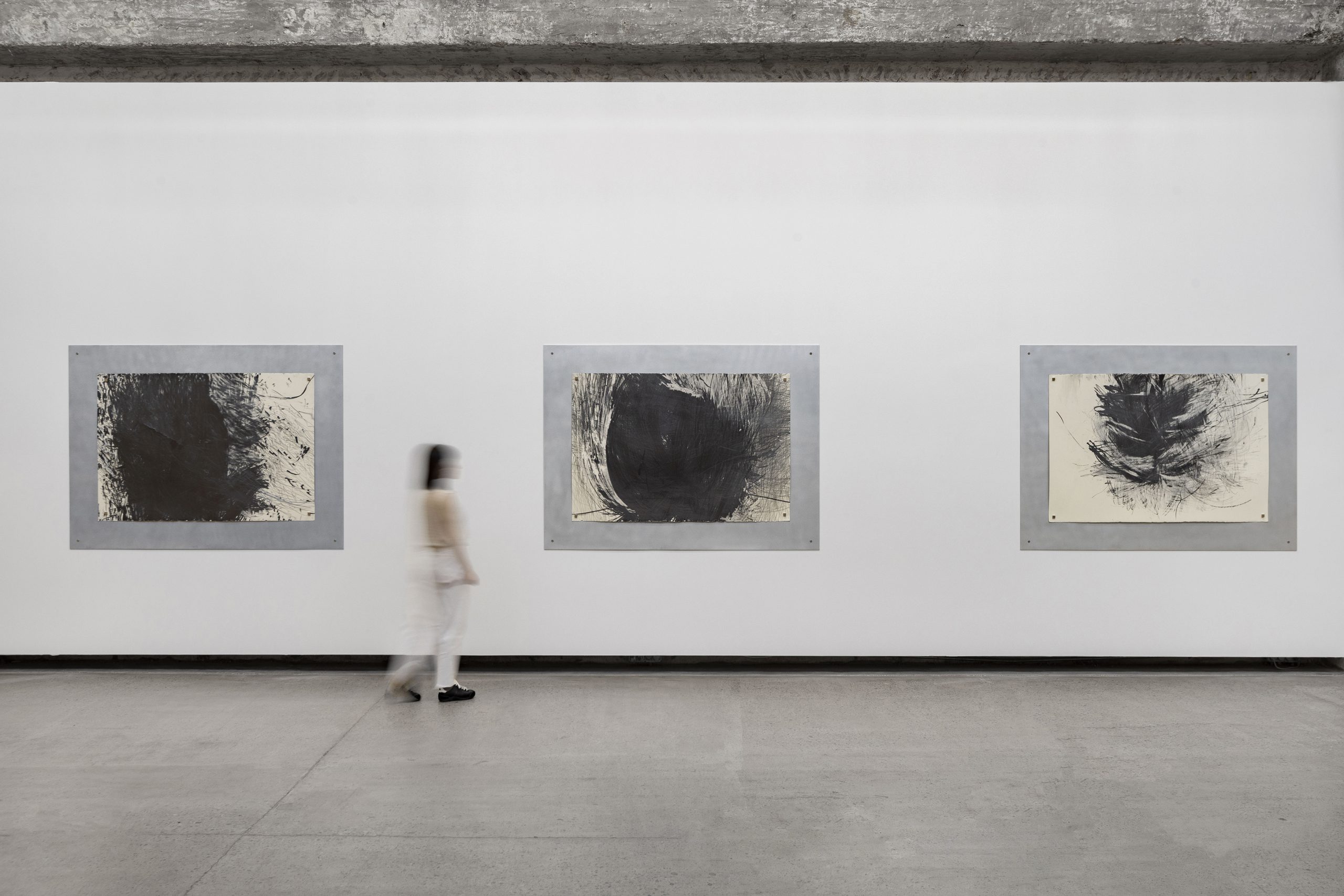
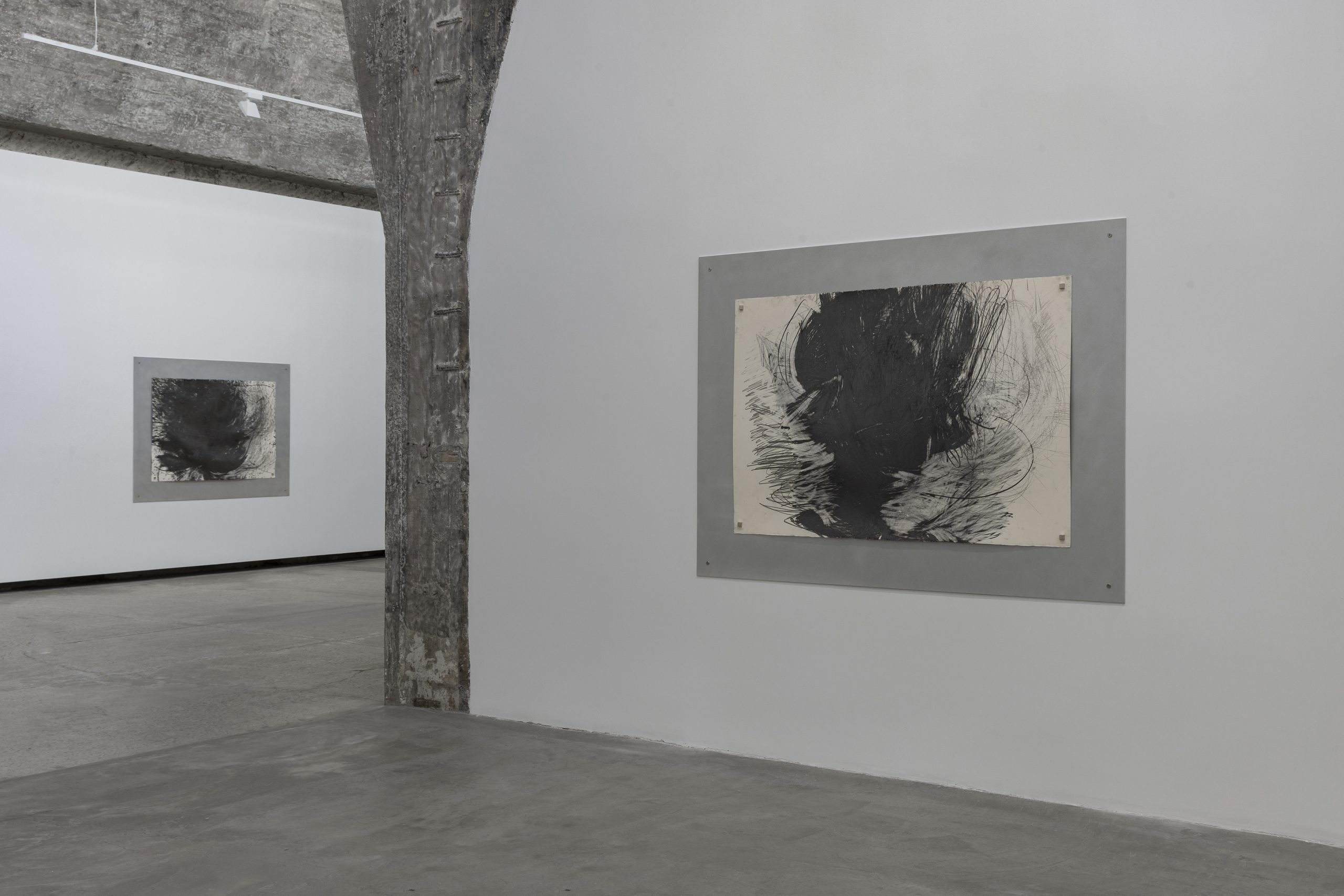
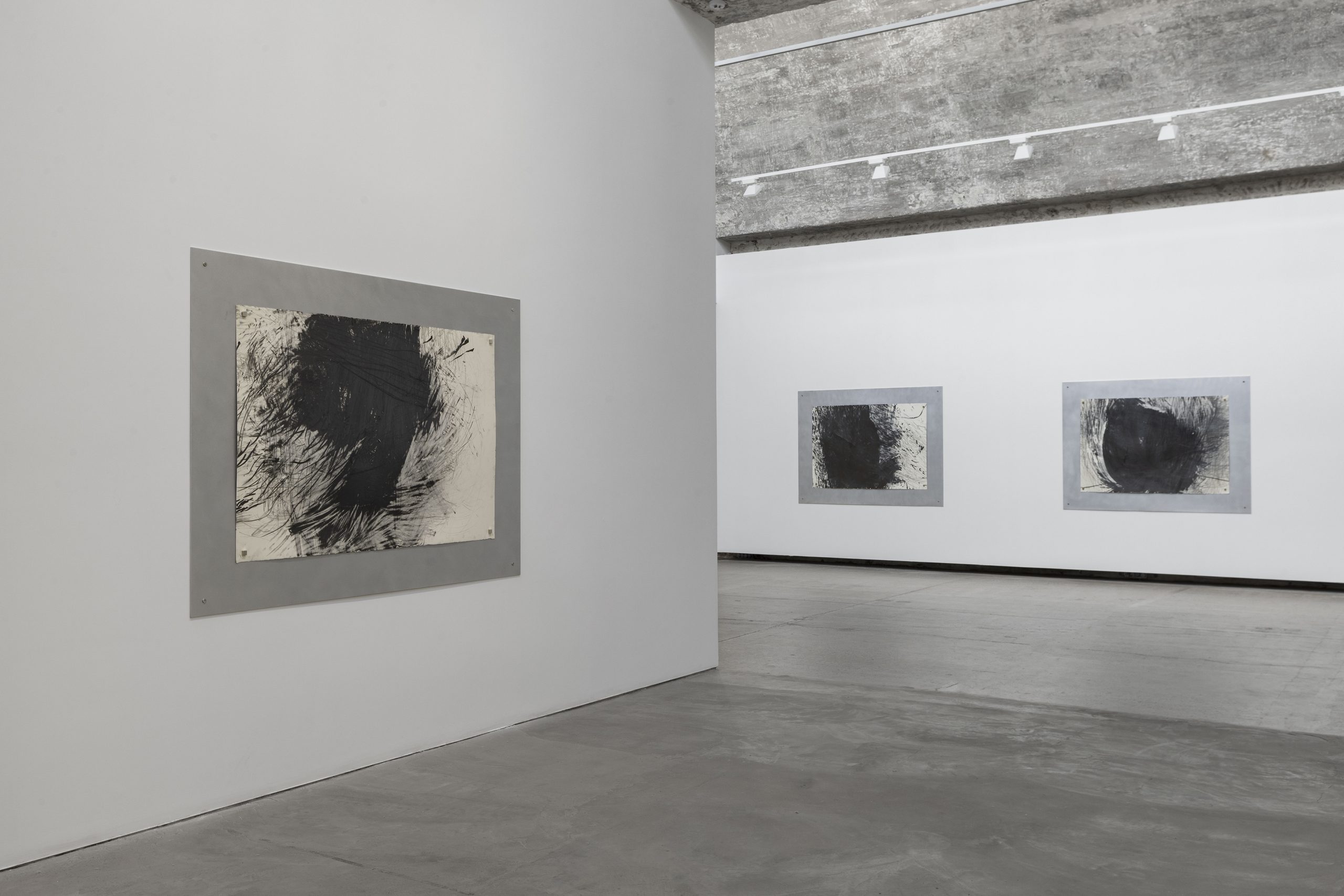
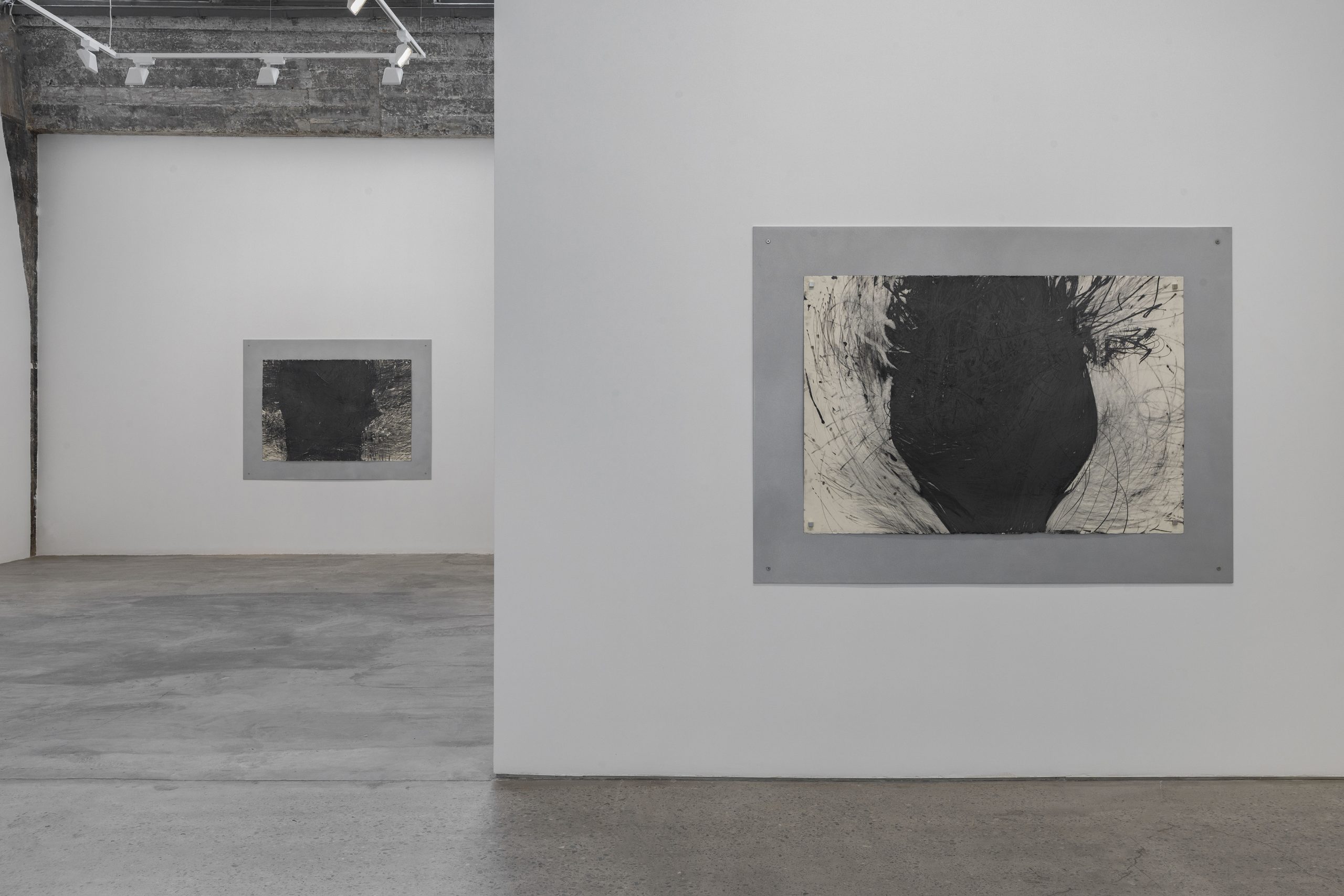
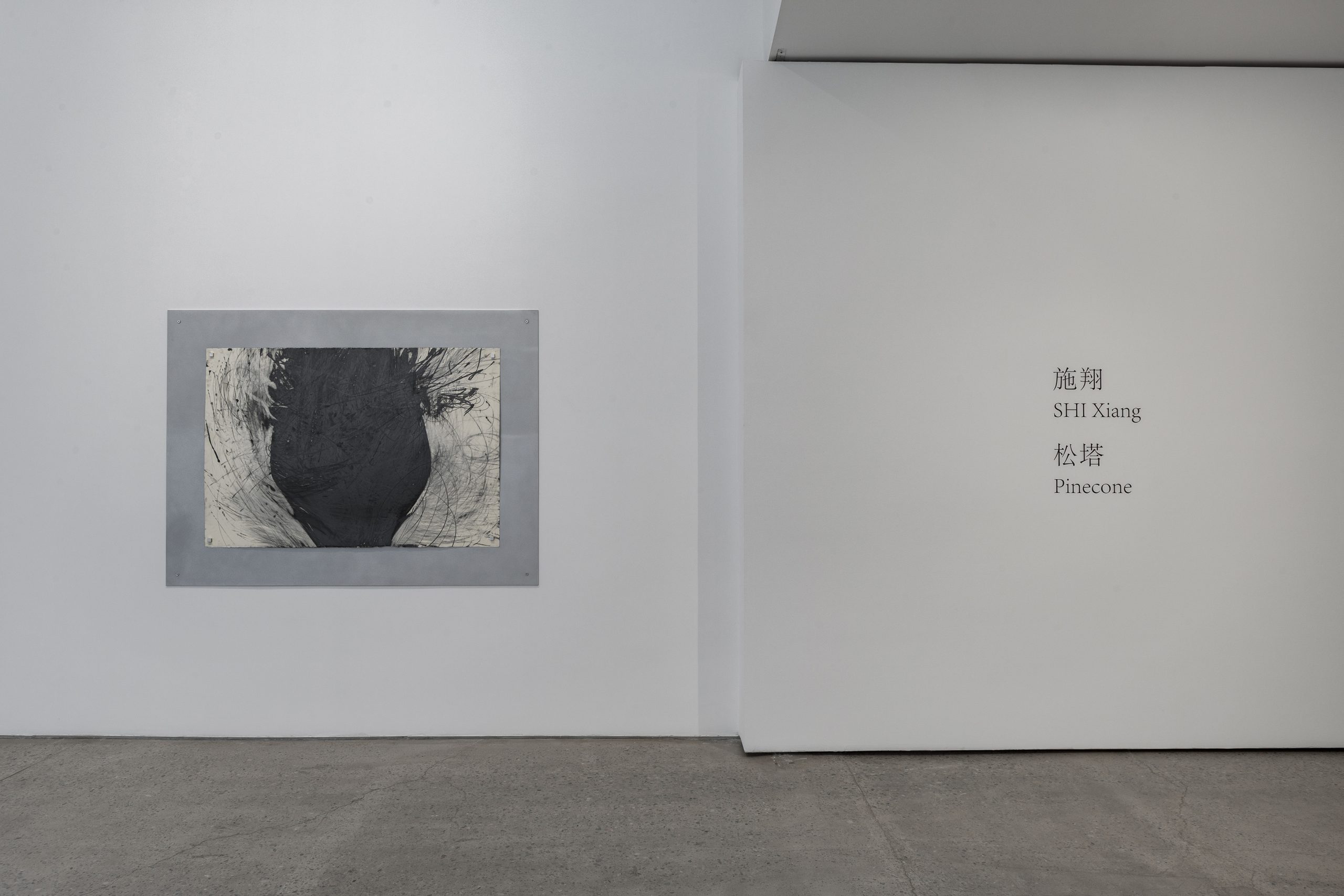
SHI Xiang: Pinecone
2026.09.05 - 2026.10.17
REFLEXION is pleased to present “Pinecone,” a solo exhibition by artist SHI Xiang, opening on September 5, 2026. This exhibition marks the artist’s first solo show at REFLEXION.
The pinecone is a silent thing of nature. It presents itself to us in a state of closure, its layered scales overlapping like armour. Once part of a tree’s living process—having grown, matured, and released its seeds—it becomes, after falling from the branch, a dried, lifeless object that nonetheless takes on a nearly mineral quality. It is hard, contracted, marked by time, yet between those scales, traces of its former life remain discernible. In short, the pinecone is a thing of contradictions, never fully opening itself to the viewer.
Perhaps it was precisely this paradoxical state that drew Shi Xiang in. There was no dramatic origin to his fascination—just an accidental encounter: the artist picked up a pinecone beside an old tree, and this ordinary natural object became his muse. From 2023 onward, Shi Xiang has worked exclusively on the theme of the pinecone, producing thirty-seven pieces over three years without interruption.
While the tradition of repeatedly painting a single still life or landscape is hardly unprecedented in art history, for any artist, a natural object that sustains such a prolonged engagement must hold some deeper pull. Much like Morandi’s lifelong bottles and vases, or Monet’s haystacks and water lilies, the object first sparks inspiration in a particular context; as familiarity deepens, the thing itself becomes the very “problem” that drives the painting forward.
Shi Xiang had already worked in a similar mode before, and this shaped his creative habits. The most significant predecessor to the pinecone series was a two-year-long exploration of a single cotton boll. Cotton and pinecone seem to point in opposite directions—the former soft, fluffy, and expansive, the latter hard, tight, and withdrawn. Yet between them lies a hidden kinship: both are unassuming, hand-sized natural objects, magnified by the artist beyond ordinary perception. Beyond form, they each reveal a kind of “structure” that unfolds over time—how a thing organises itself and arrives at its present state. This structure is pre-conceptual, naturally arising, akin to perception itself. This, perhaps, is what captivated him and drove him to delve deeper. For once an object enters human experience, it is inevitably shrouded by name, knowledge, and cultural meaning—often obscuring true seeing. One of Shi Xiang’s aims is to suspend these preconceptions, returning the object to the very “structure” of perception.
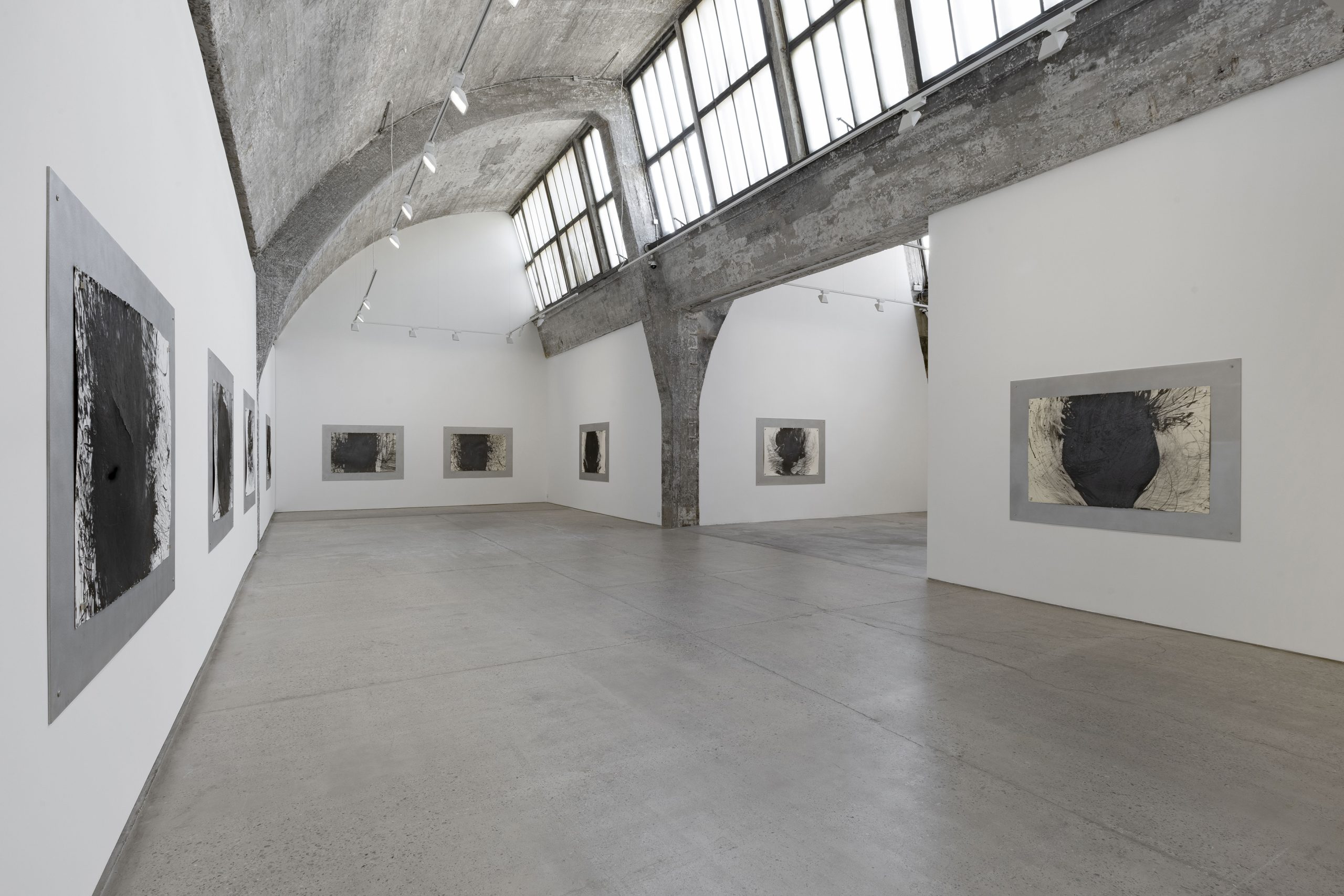
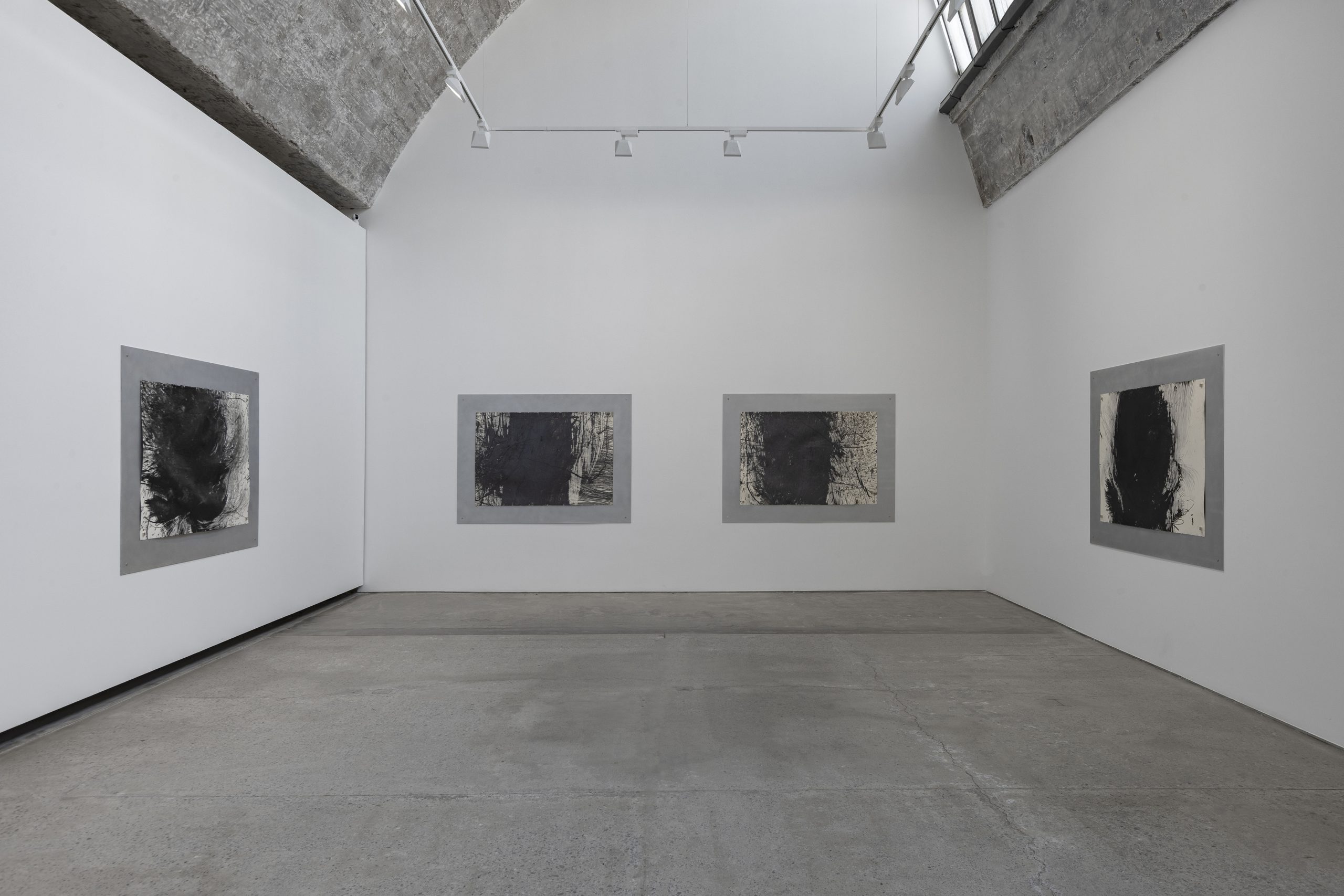
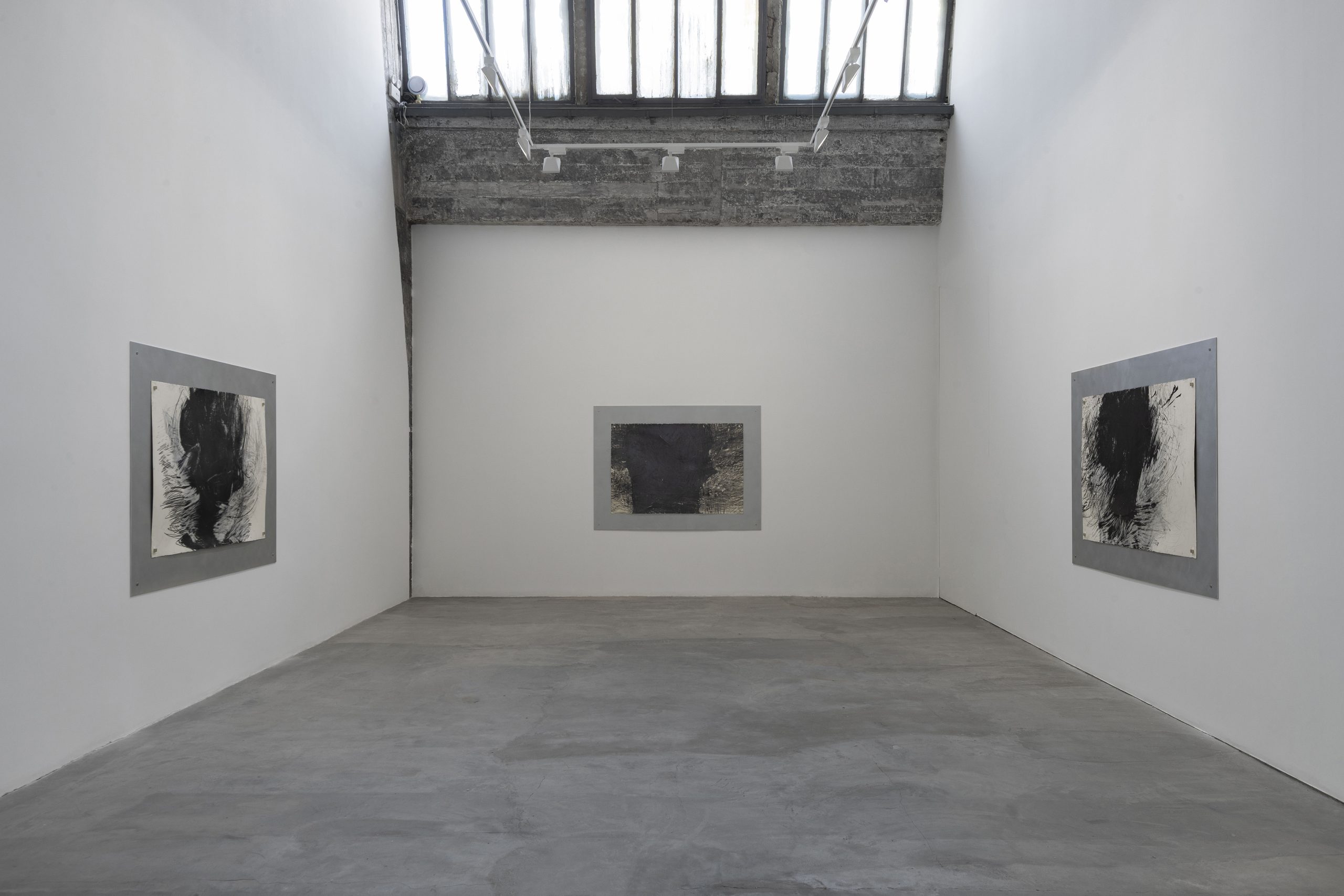
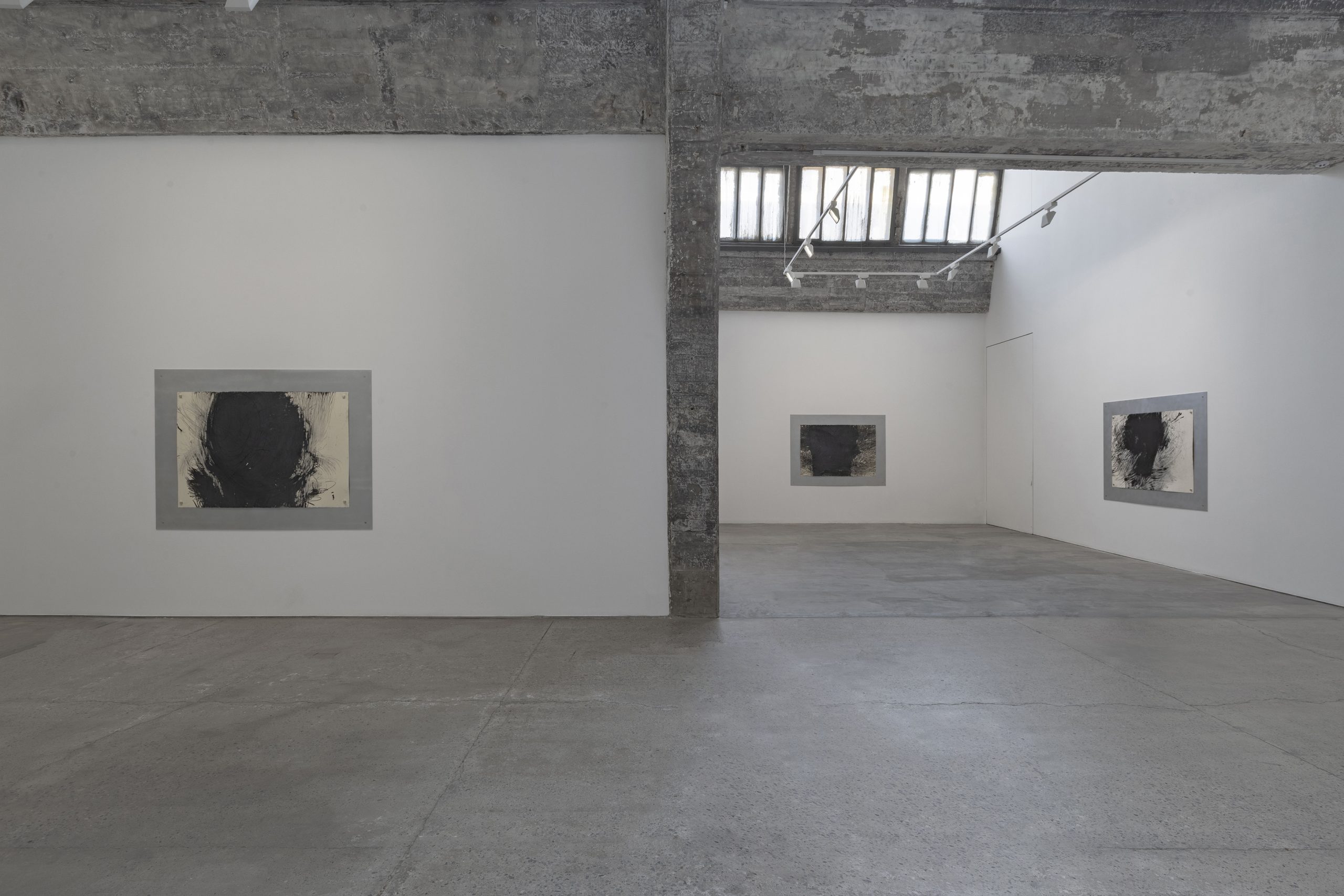
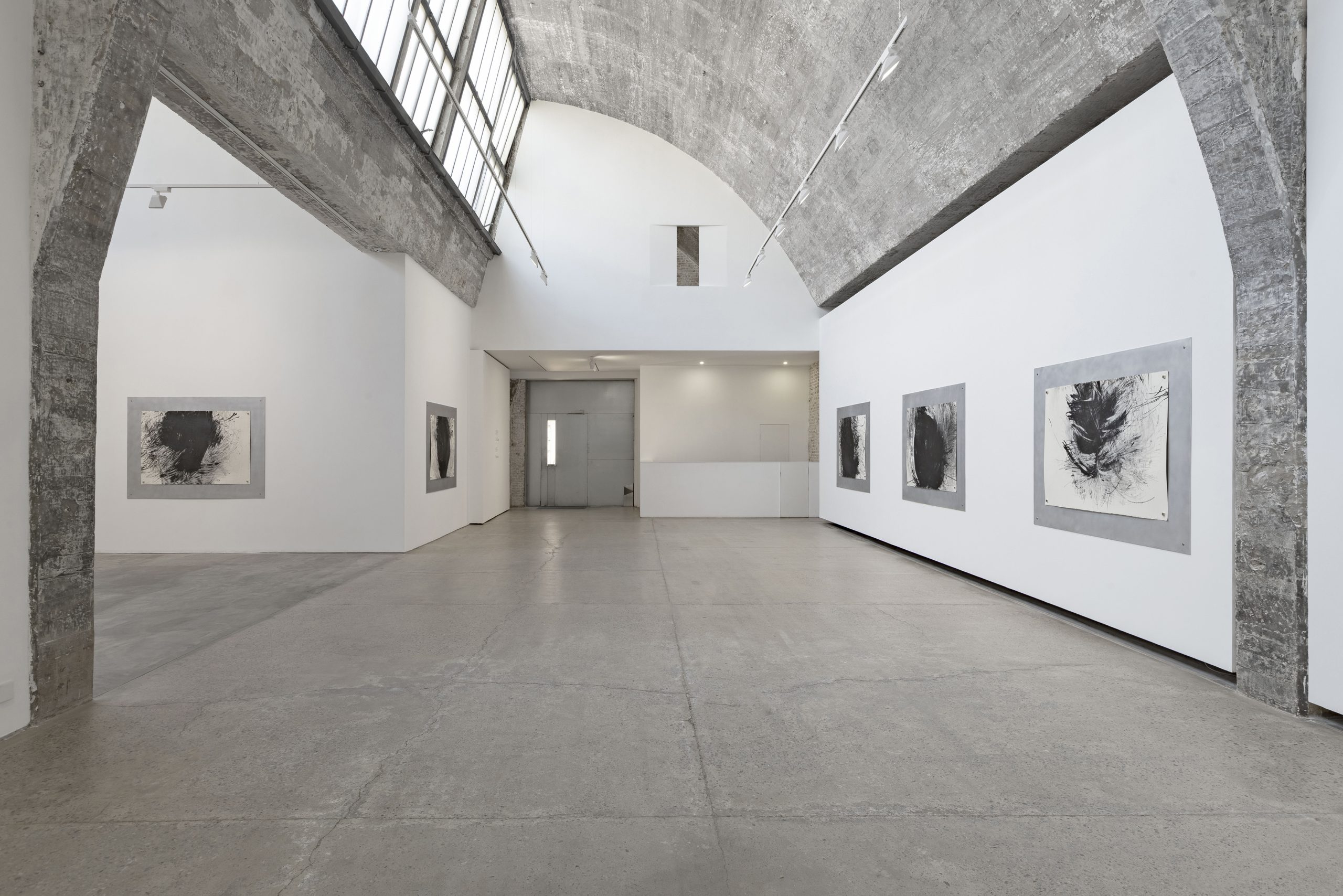
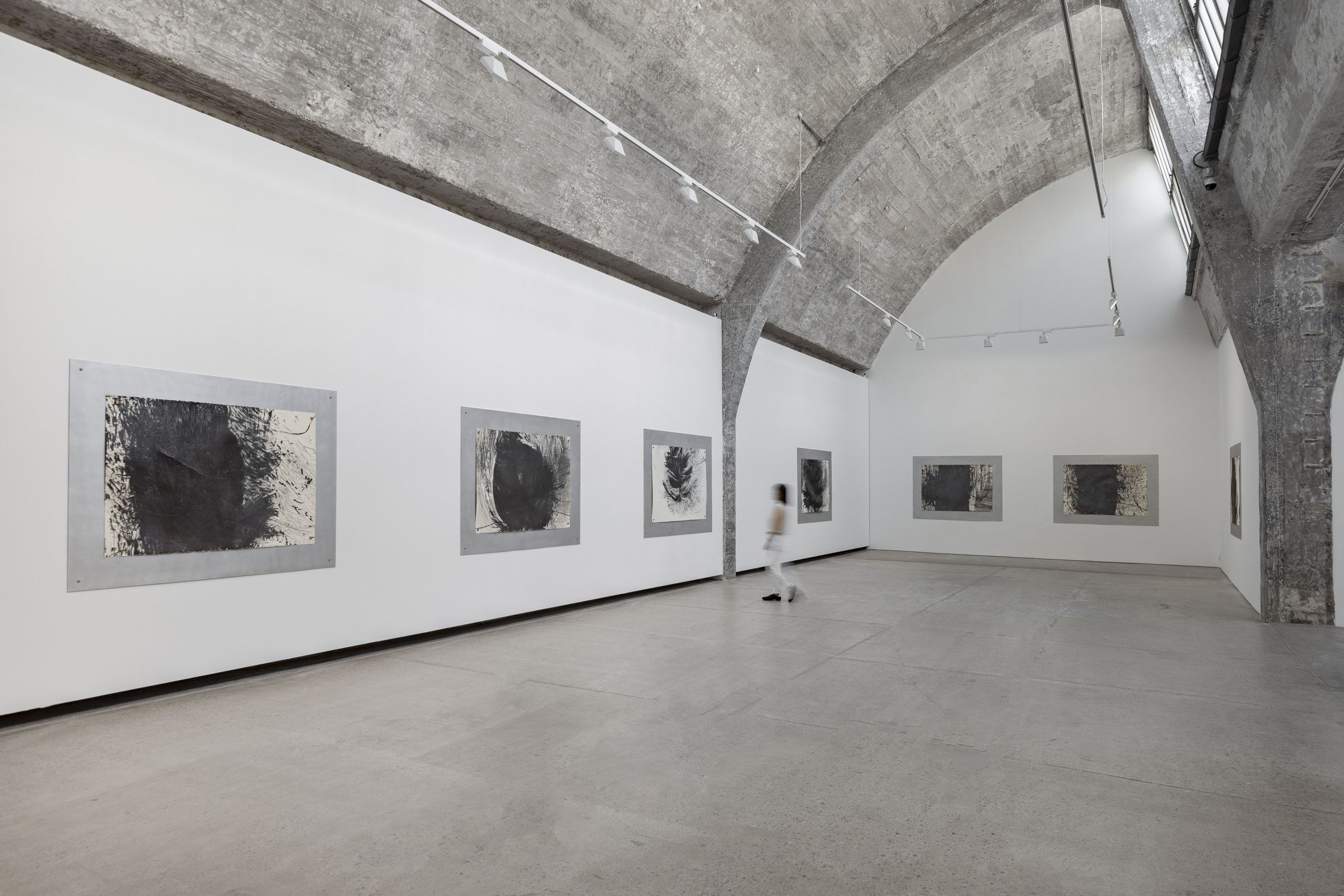
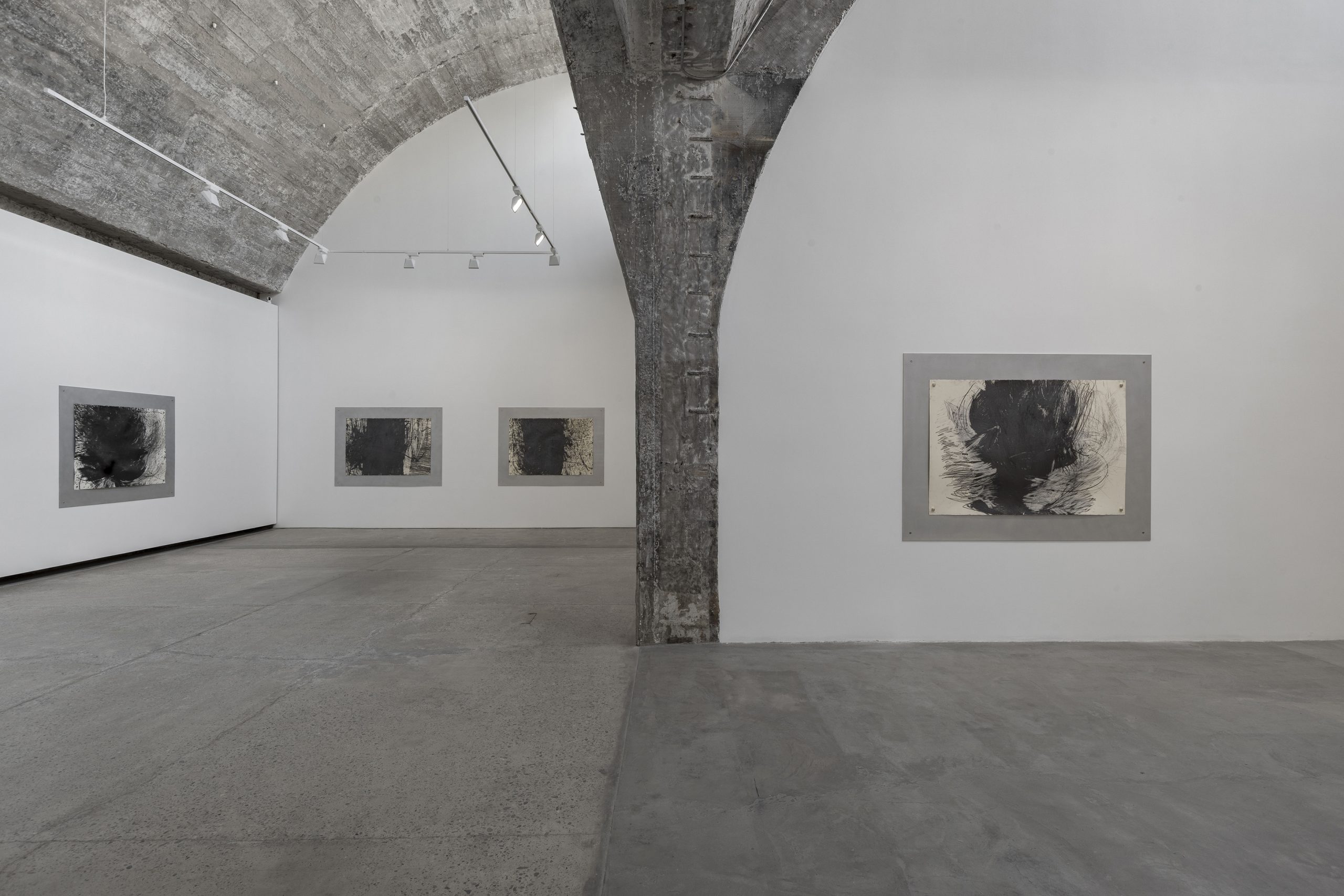
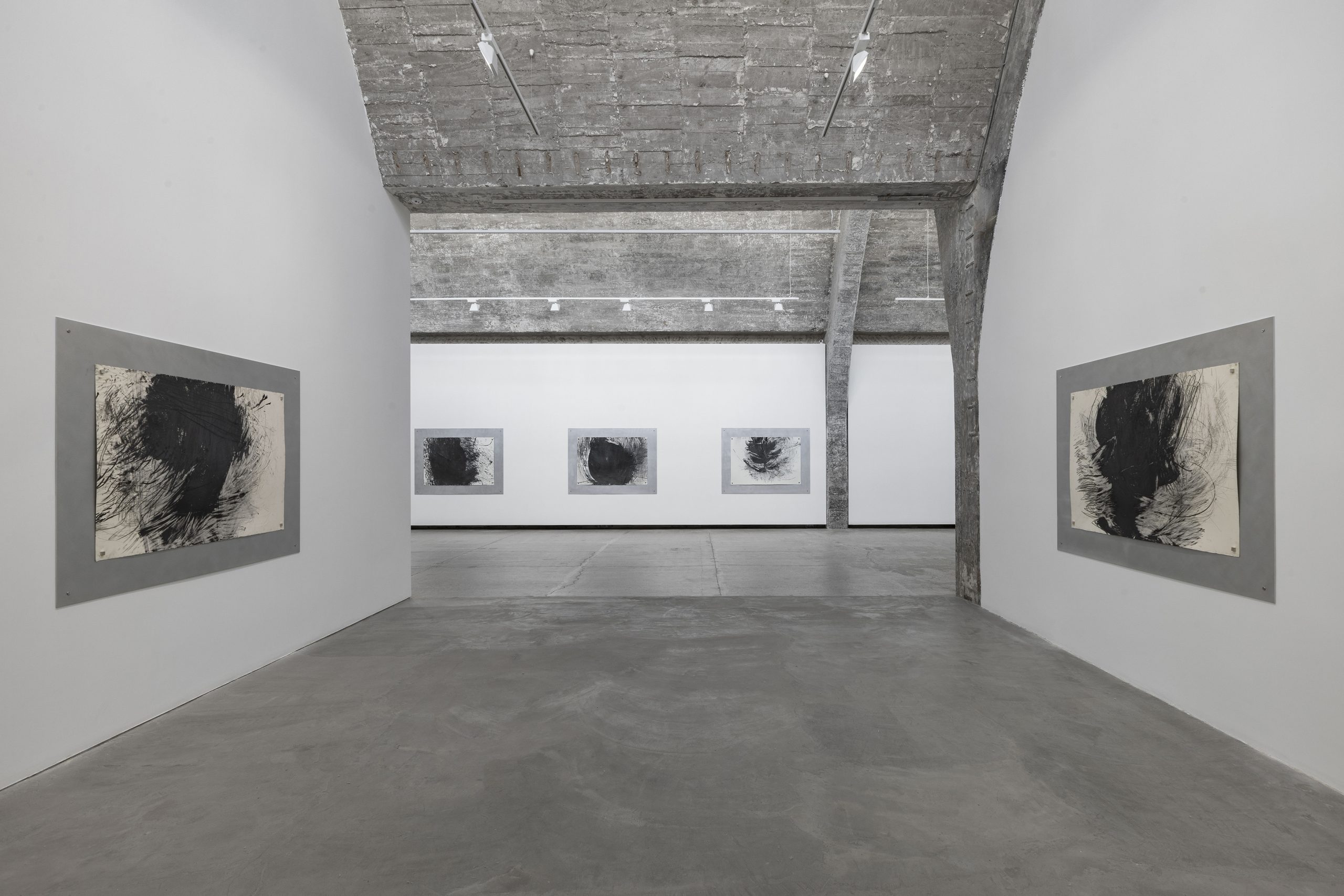
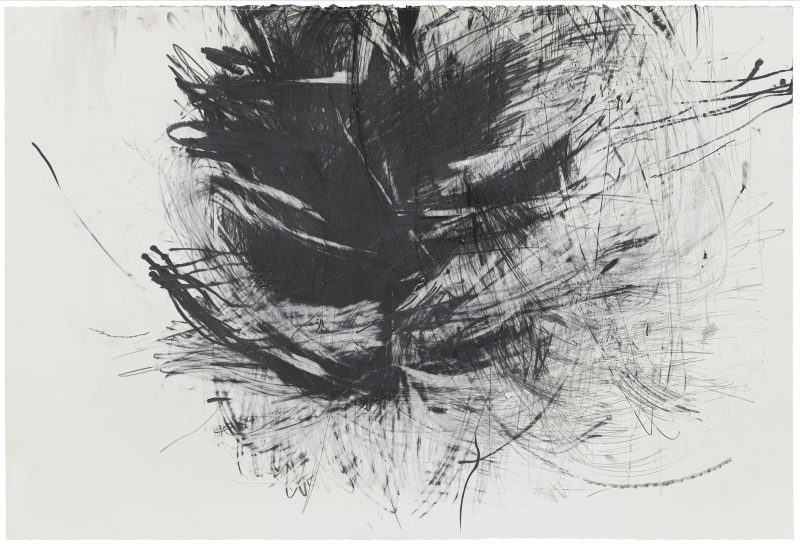
His strategy is repetition—repeated looking, repeated depiction, repeated feeling. Deleuze, in Difference and Repetition, argues that true repetition does not mean returning to the same result, but rather generating difference through each return, allowing the object to reveal new possibilities in an ongoing process of unfolding—which is itself the temporality of existence. In painting, repetition means the artist must re-enter experience from a fresh position each time. This gives Shi Xiang’s work a generative quality: the unresolved questions of one piece become the starting point for the next. Often, the direction of a work only emerges as it progresses. In a sense, the object itself participates in the painting’s becoming—it continually constrains the artist’s choices while simultaneously opening up new paths. Thus, in the earliest canvases, the pinecone remains recognisable: one can still make out its scaly structure and compact form; the object is concrete, certain. But as the series advances, the pinecone’s original morphology begins to shift—contours soften, brushwork grows freer, and lines seem to break away from the shape itself.
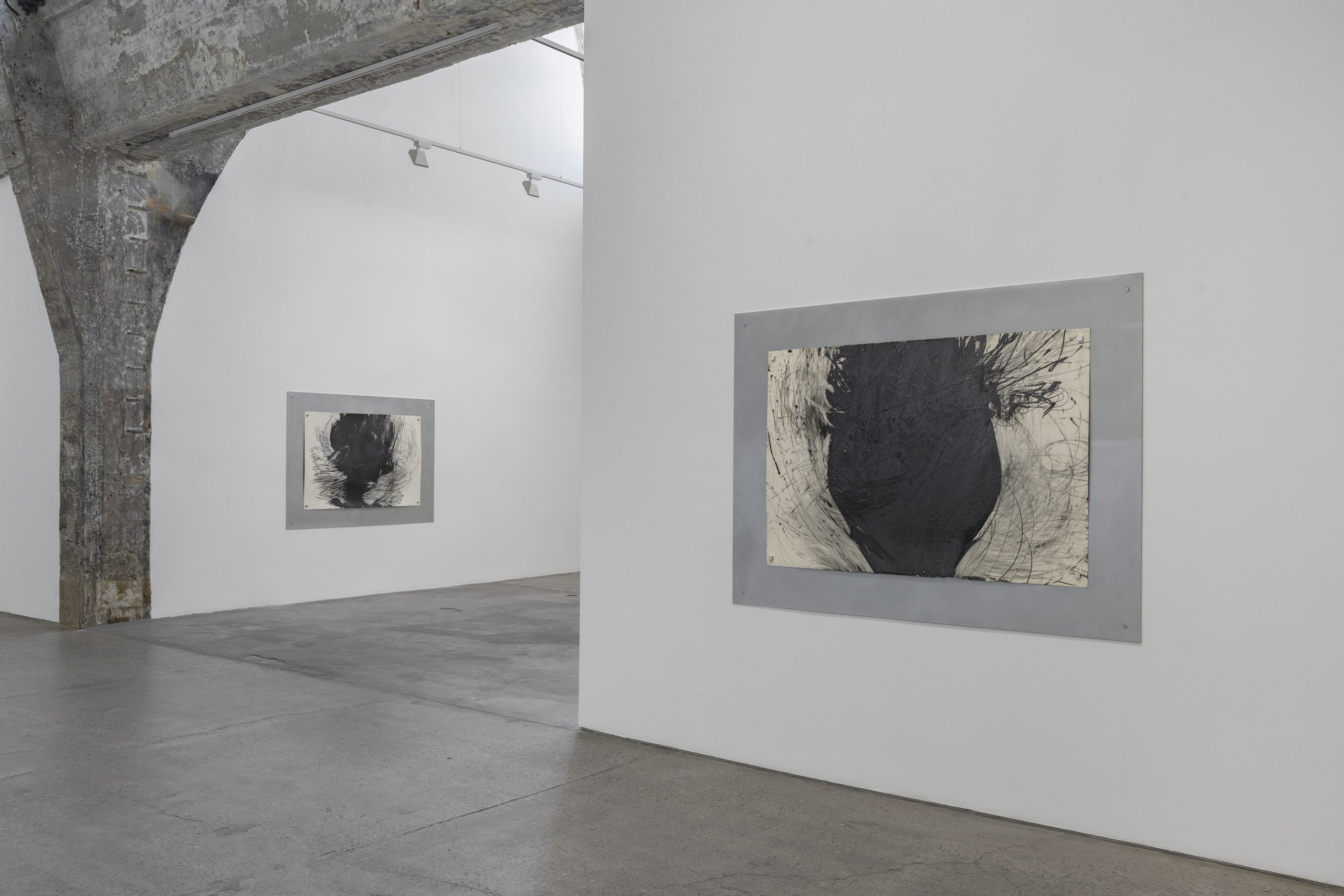
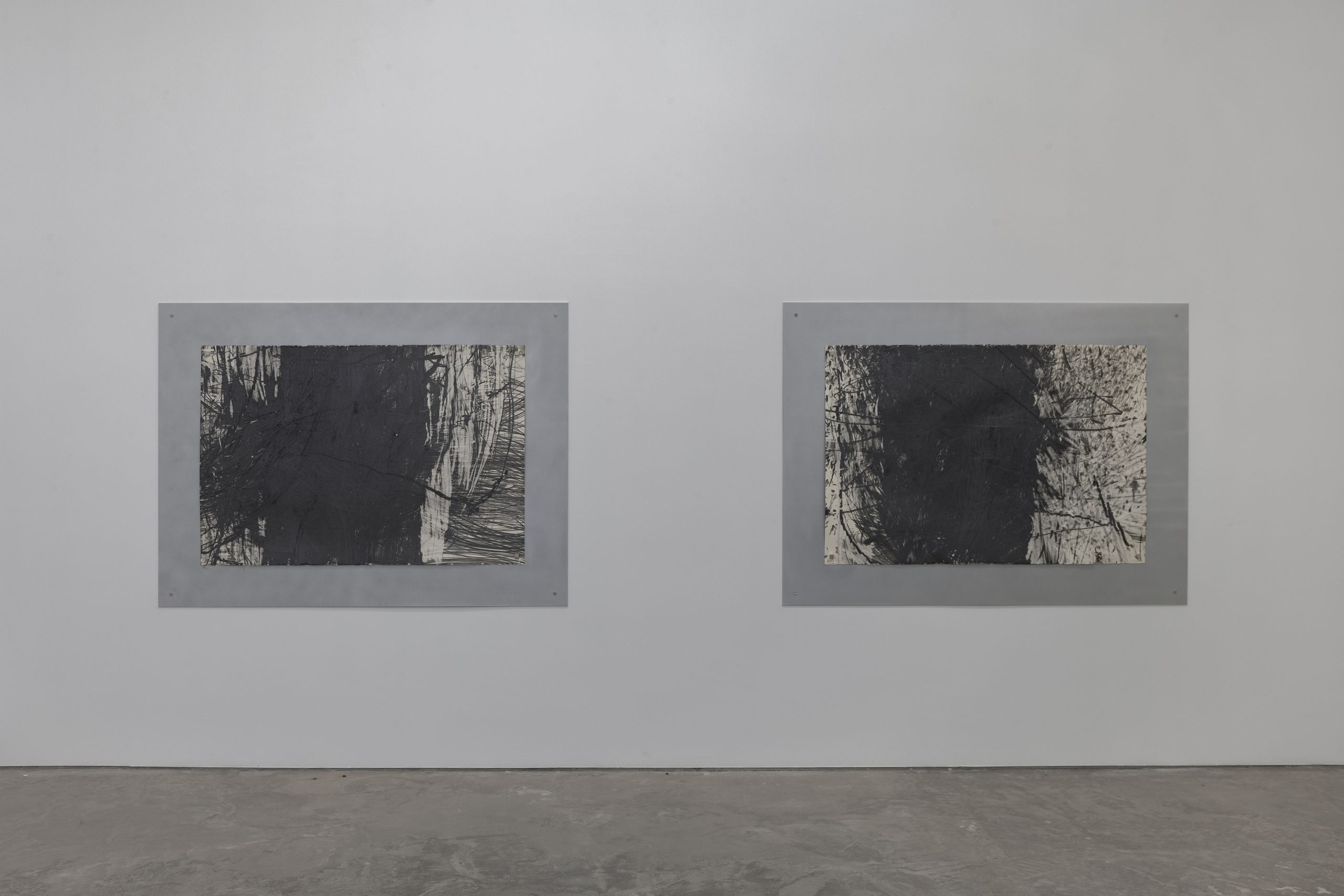
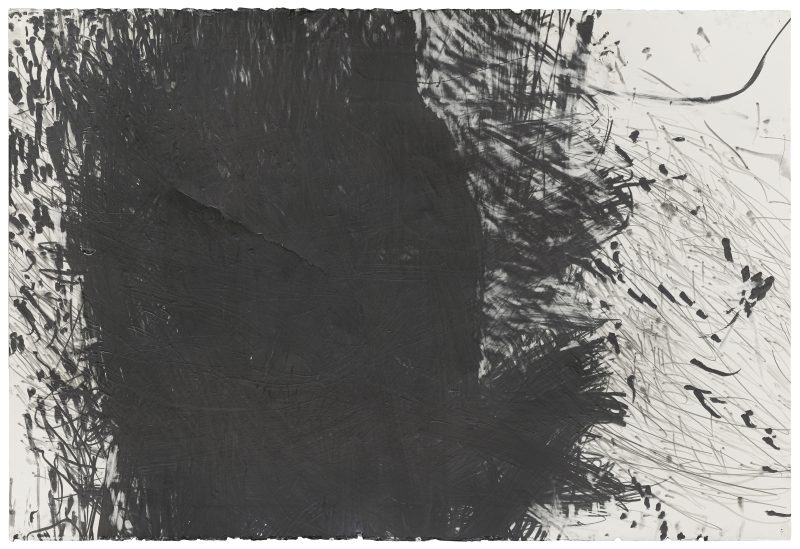
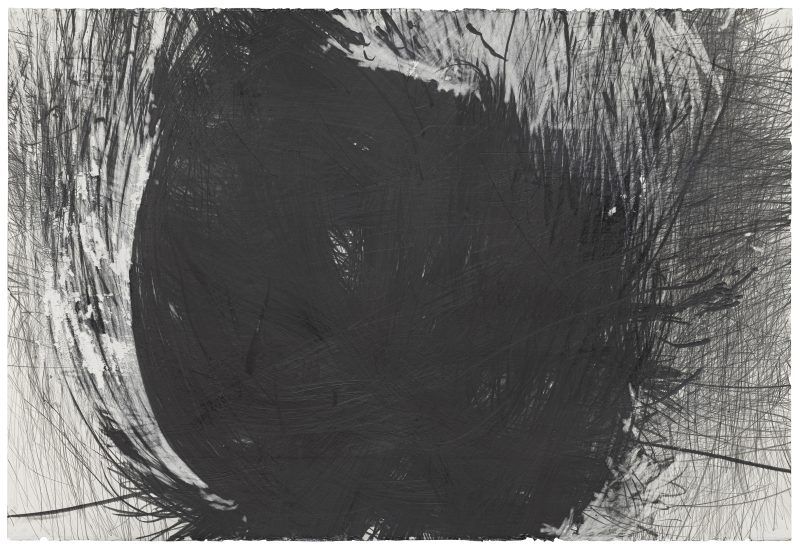
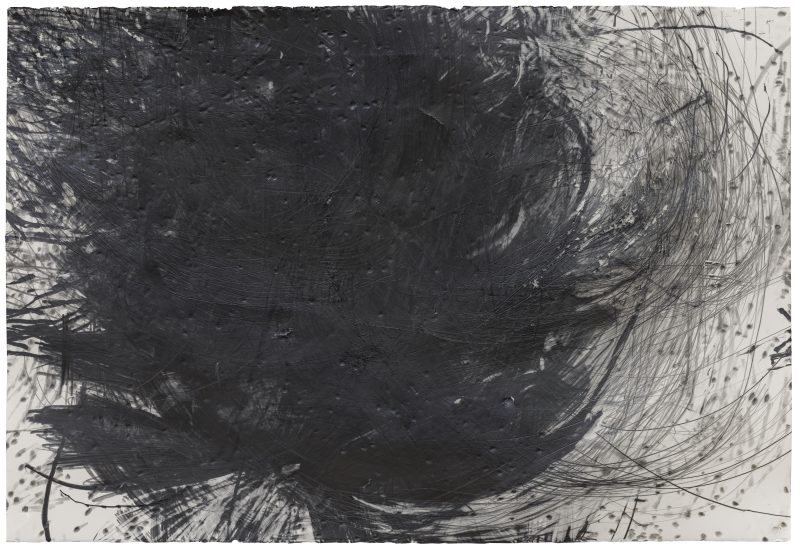
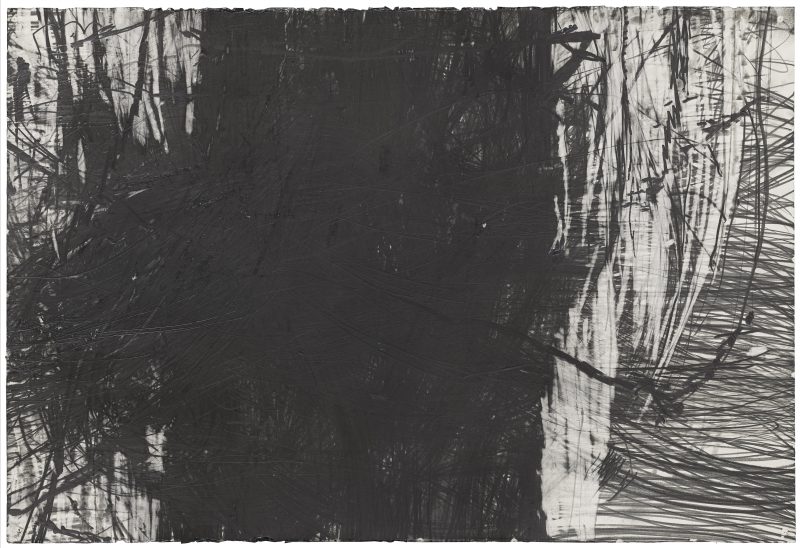
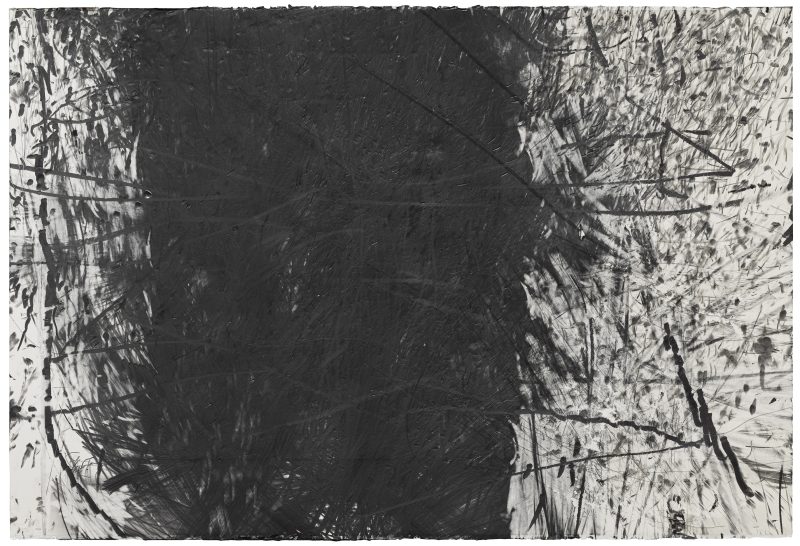
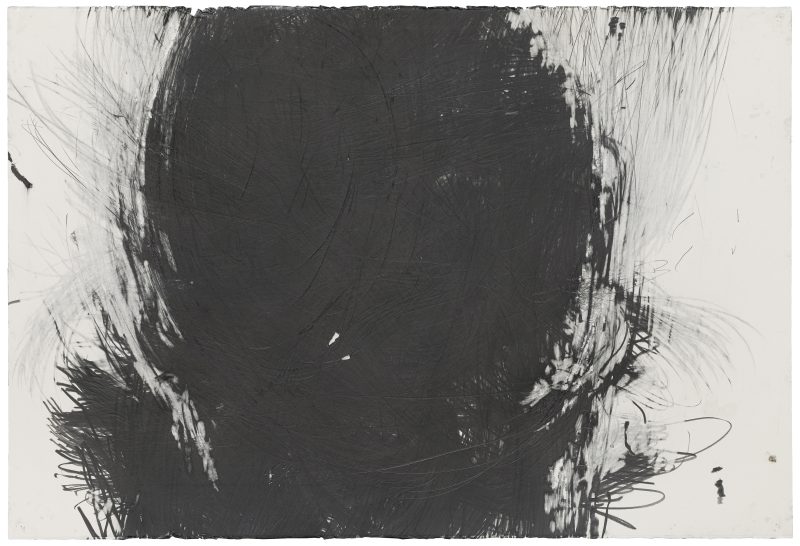
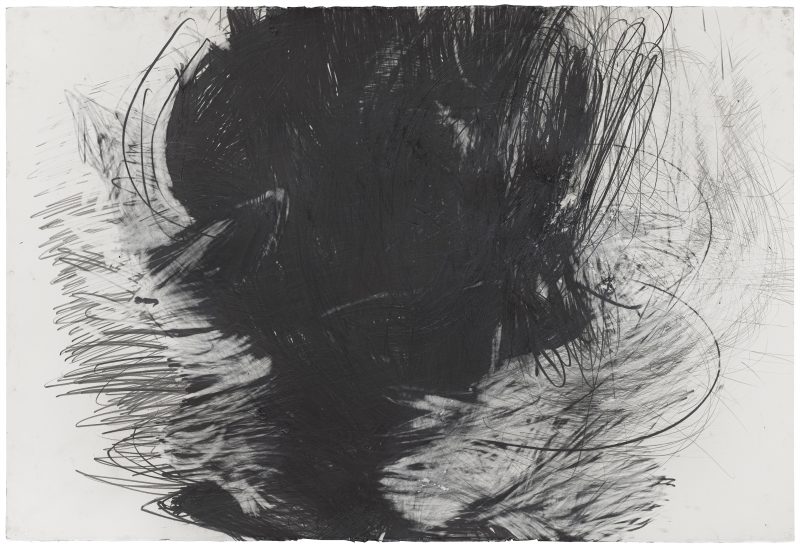
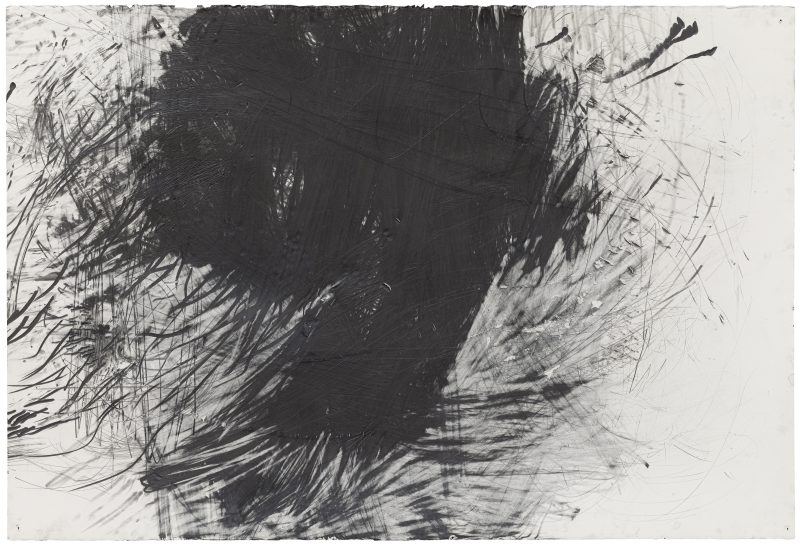
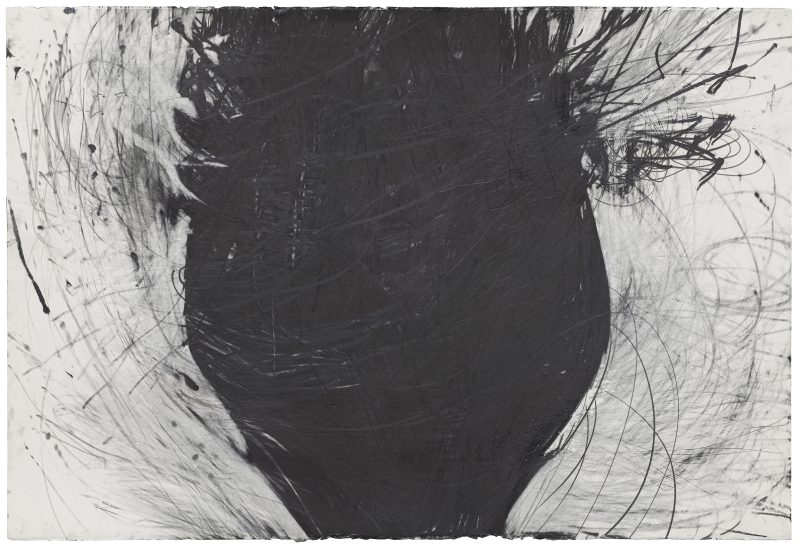
Of course, sustained engagement with the same subject inevitably means that experience folds back upon itself; established methods and past judgments can become obstacles. The greatest difficulty Shi Xiang faces is constantly overcoming the inertia of habit—a struggle that feels like wrestling, a nearly ascetic effort to draw ever closer to the object while whittling away his own presuppositions. As for when a painting is finished, even the artist cannot say. Perhaps it is when the object has fundamentally changed in his mind—when it becomes “speechless,” or when it approaches what he calls “the real.” But what is the real? It is not a clearly definable goal. Yet tracing the trajectory of Pinecone, one senses that “the real” springs from the artist’s inner obsession—when image, material, and gesture achieve a relationship so irreplaceable that any alteration would break the work’s integrity, the piece gains its own autonomous existence. Consequently, many of his earlier painting habits are consciously abandoned, and the direction of the work becomes strikingly decisive. By the time he reached the twentieth-odd piece in the series, the image became almost illegible: large masses of dense black, rich with subtle traces, dominated the composition, and the layered “tower” structure even grew smooth. The form seems to spin—charged with speed and force—transforming into a more abstract, more immediate visual state. The object, it appears, has “vanished.”
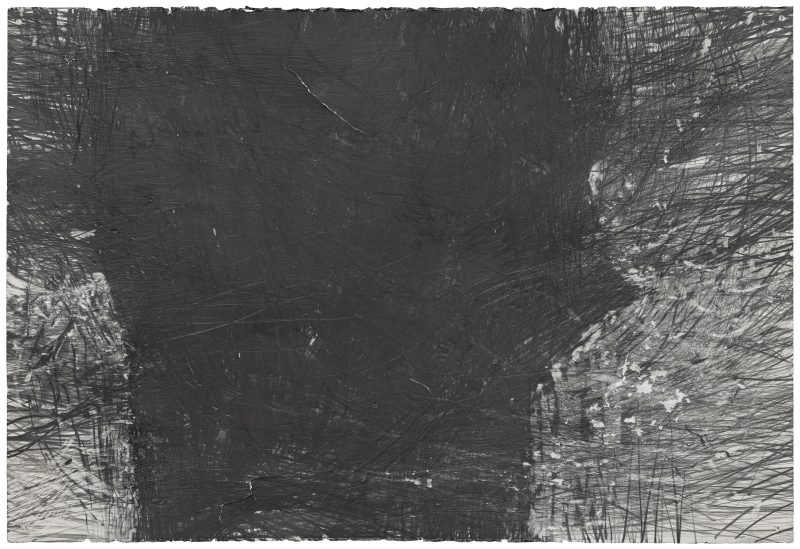
When the object fades, what remains? The painting does not lapse into emptiness; but rather than an abstract form stripped of content, what matters more is the generative relationships hidden beneath the form. The internal dynamics that were once concealed within the object begin to emerge, shifting the painting from representation to a process of manifesting “force.” This force is externalised as a material intensity beyond the image—particularly evident in the later works, where dense lines, accumulated graphite traces, and repeatedly rubbed paper surfaces grow more pronounced. You can clearly see the layering of strokes, contours building up within the picture plane until they blur. Shi Xiang’s choice of materials intensifies this effect: graphite, inherently hard, leaves scar-like marks as lines repeatedly cross, overlap, and cut into the paper, creating a genuinely destructive force—like piercing the skin. This imbues his later works with an increasingly invasive quality.
Such intensity is easily read as emotional expression or eruptive passion—and not without reason, for the paintings bear the clear imprint of physical exertion, and the viewer can readily sense the ongoing interaction between hand and material. But to reduce it solely to emotional release would flatten the work. As Merleau-Ponty observed of Cézanne, the latter’s painting is itself an interweaving of body and world—a struggle to render things before they are rationalised and named, to capture pure perception, to grapple with the very presentation of “being,” so that his work forms an ambiguous whole where everything defines everything else. Pinecone operates within a similar encounter: the image remains guided by the object, which, upon entering the painting, gradually opens outward; the artist is the one propelled forward. Those abrasive, destructive marks strip away the symbolic shell of the everyday object, turning the painting into a continuous feedback loop.
Especially in those later black masses of the Pinecone series—heavy, seemingly compressing space, yet far from static inside—they read like material strata formed through long accumulation, lending the two-dimensional surface a sense of weight, even of sculptural presence. Seen this way, Shi Xiang’s long-standing preference for black-and-white relationships takes on special significance. As colour recedes, the painting no longer relies on external visual stimulation for its appeal; instead, it unfolds through lines, density, space, and the material’s own transformations. The result is a seemingly austere but internally rich picture plane. Within this range, you become more attuned to materiality, to change itself. Beyond the sheer force and the artist’s personal will, this inner “force” reads more like a generative mechanism—an internal dynamic that continuously forms and deforms shapes, growing more pressing and more kinetic as the series progresses.
In this displacement of force, the once separate realms of natural and painterly experience cease to be subject and object in opposition. Rather than discussing how an object, through sustained viewing, loses its original name and gains another mode of existence, it is more revealing to observe how this force is released from within the natural object and transferred onto the paper. It connects natural experience with painterly experience, seeing with creating, transforming into a restless, perpetually proliferating life process on the surface.
Let us return to the opening line: Why the pinecone? Why a silent natural object? Perhaps because its silence leaves room for looking. At the same time, it is concrete enough, rich enough, to serve as a catalyst—awakening the object and awakening the artist. Shi Xiang often describes his working method as natural and spontaneous. Here, “natural” does not simply mean a carefree creative state; rather, it points to painting as an emergence of life-will. This is the key logic of his entire series, lending the works a sense of both “substance” and “vitality.” And so we must return to looking itself, to the moment before painting. Only after long contemplation does an everyday object begin to reveal what lies beyond everyday experience. This echoes the traditional Chinese notion of “contemplating things”—as Guo Xi wrote in The Lofty Message of Forests and Streams: “Take the mountains and rivers into your own body,” emphasising that the mind must merge with the landscape, dwelling with it over time until self and object become one, and the body actively participates in the ceaseless vitality of the cosmos. Through this sustained approach, object and observer generate each other, opening a passage—a painterly path. And it is in this process that a once-silent natural object acquires a new language, continuously driving the artist onward into the unknown depths. (Text/SUN Tianyi)
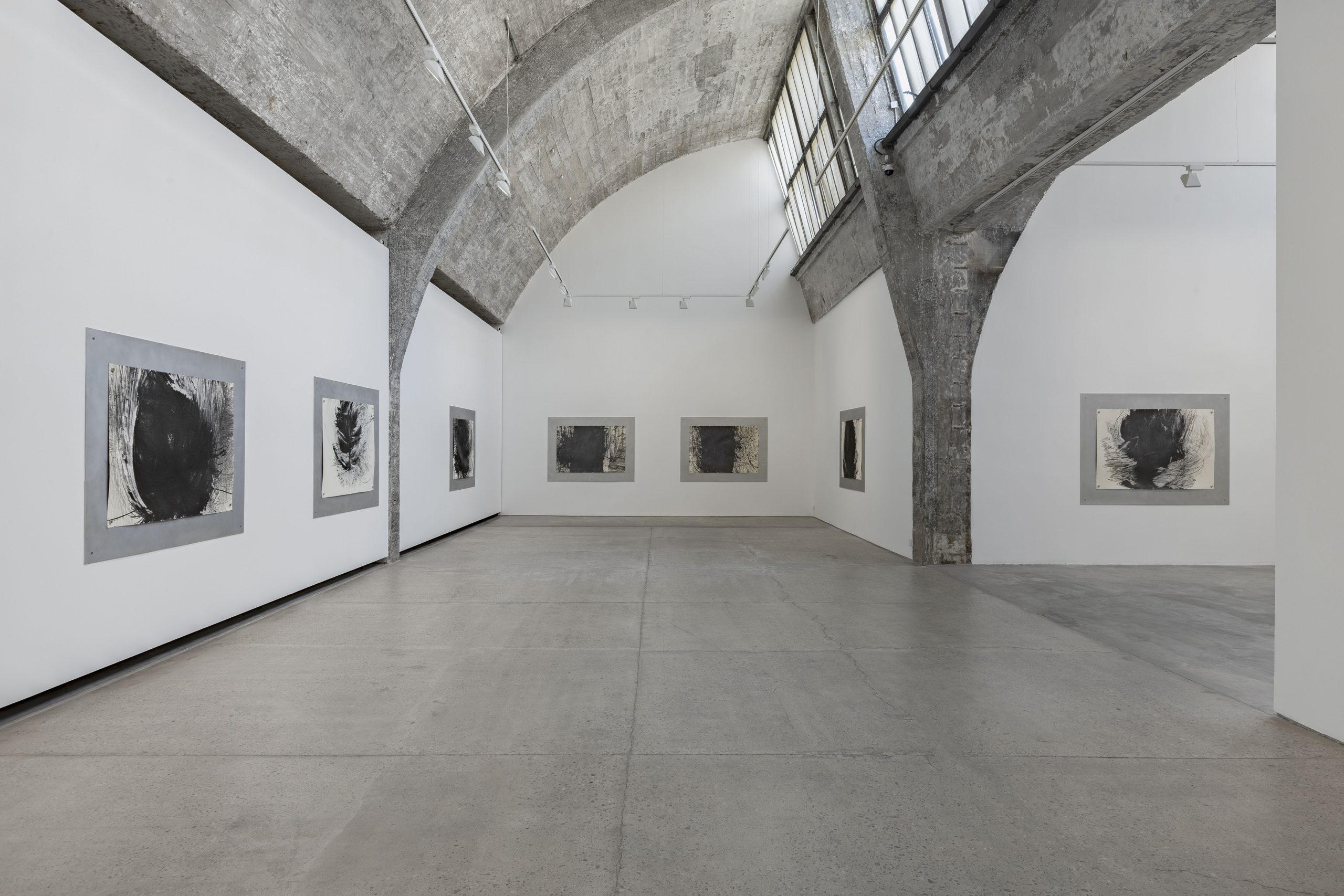
Installation Views