Wind, Fire, Mountain, Forest
XIE Qun
Curator: Dai Zhuoqun
Group Exhibition, N3 Contemporary Art, Beijing
In the Daoist tradition, “Wind, Fire, Mountain, Forest” (风火山林) has long been regarded as an ancient incantation or talismanic formula. Composed of four elemental forces—wind, fire, mountain, and forest—it symbolizes the transformations and powers at work between heaven and earth.
Taking these four words, the exhibition returns to the original meaning of nature and examines the very starting point of artistic creation. Nature here is not merely mountains, rivers, and scenery. It is the source of life’s generative power, the law governing the flow of energy, the transformation of matter, and the rise and fall of living things. It is the fundamental premise of human social existence.
The nine artists in this exhibition follow different creative paths, yet they share a common concern: to make art a medium for nature’s energy. In their practices, nature is not merely an object to be observed. It becomes an active agent in the creative process, and even a method of creation itself. This first requires a reversal of perspective: the artist no longer stands outside nature, but places themselves within it, becoming a channel through which energy flows. The immediacy and physicality of the creative act take precedence over preconception and control, giving way instead to intuition and instinct. The meaning of a work lies not in contemplating nature, but in whether human participation can become an extension of, and a revelation within, nature’s own process.
The exhibition refuses to treat nature as an external object awaiting aesthetic appreciation. Nature is a dynamic process, a generative force. Between destruction and creation, echoes are built; in bodily action, energy is captured; in the ruins of mountains and forests, memory is read; in the withering of plants, fate is inscribed; between concealment and revelation, life rises; and in writing, introspection is reached.
Nor does the exhibition shy away from human intervention in, and transformation of, nature. In the process of modernization, mountains have been leveled, trees felled, and land paved over. These scars, too, are part of today’s image of nature. Suppression, paradoxically, becomes emphasis; constraint, paradoxically, ignites life’s tenacity. The plants pushing up through construction rubble, the soil seeping through cracks in concrete—all speak to a force that cannot be tamed. Is this human alienation, or the alienation of nature? Does this alienation liberate humanity, or enslave it? When human beings return to nature, returning together to wind, fire, mountain, and forest, there is no simple answer.
Today, “Wind, Fire, Mountain, Forest” is no longer an ancient spell for warding off evil. It is a revelation: nature was never elsewhere. It exists within us, not only in mountains and forests, but in the depths of the heart. Wind and fire live between every breath and every heartbeat. When we stop objectifying nature and begin to perceive and act in nature’s own way, art ceases to be a discourse about nature. It becomes nature speaking through itself. The act of creation becomes, in itself, a natural event.
This exhibition is precisely such an attempt.
Zhuoqun Dai Summer 2026, Beijing
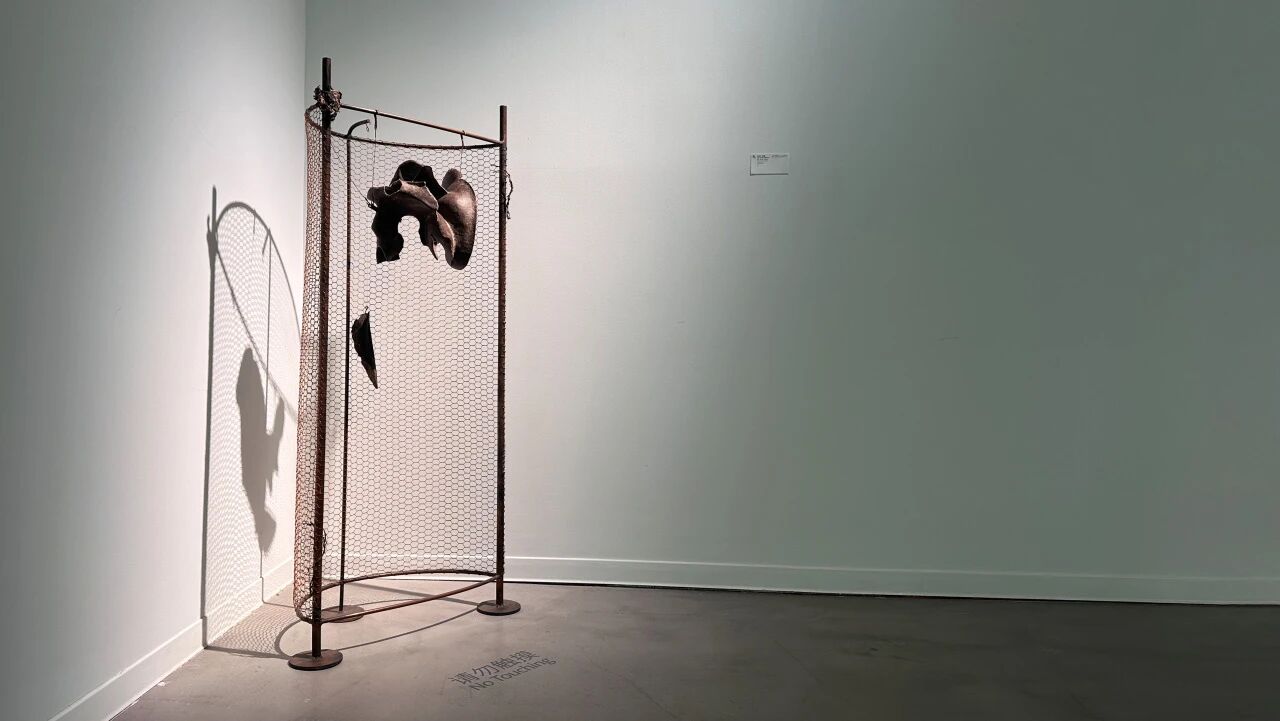
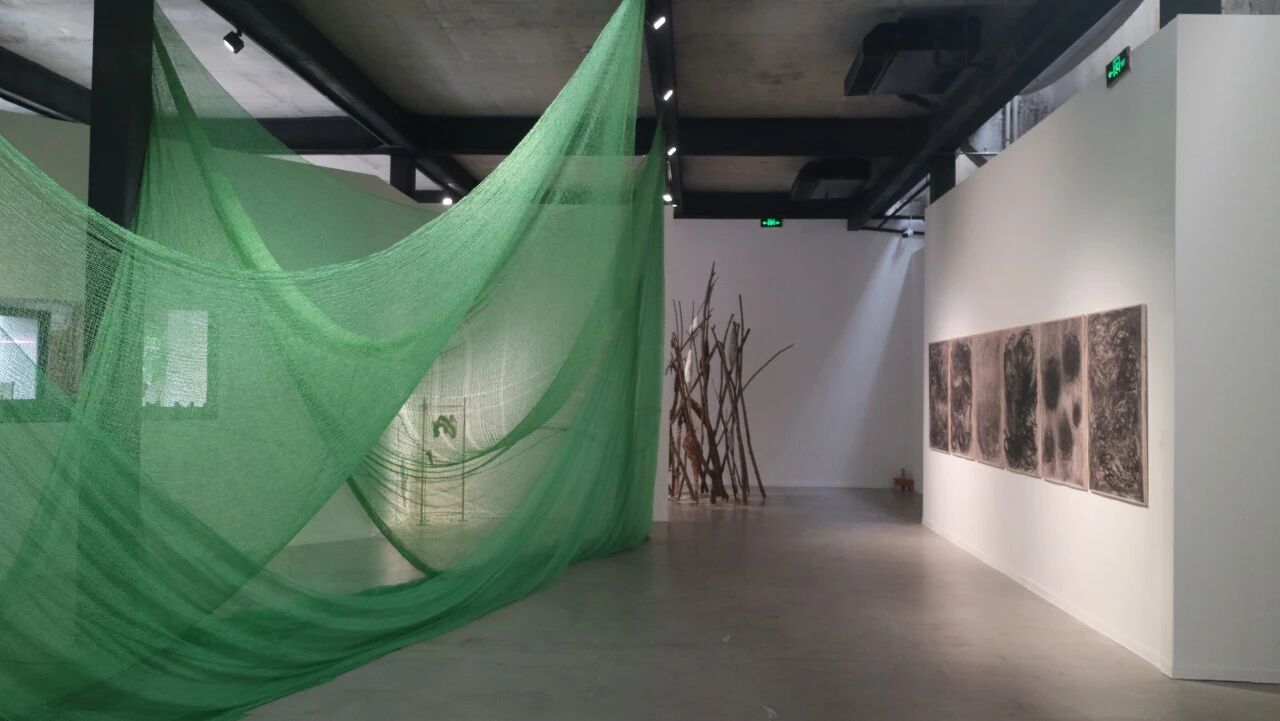
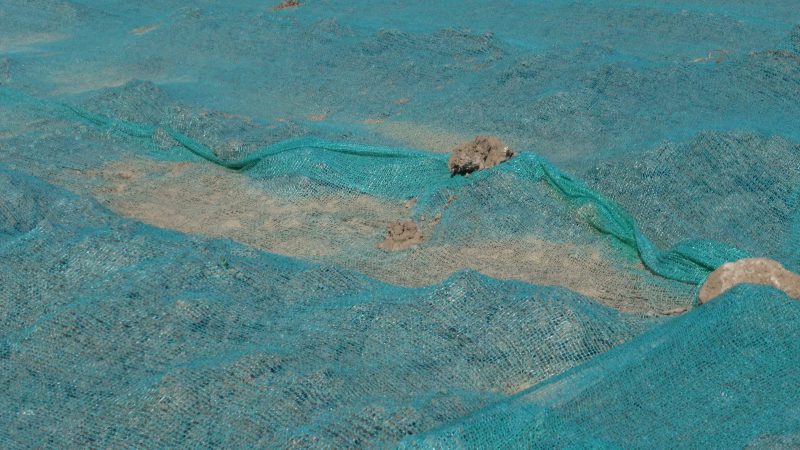
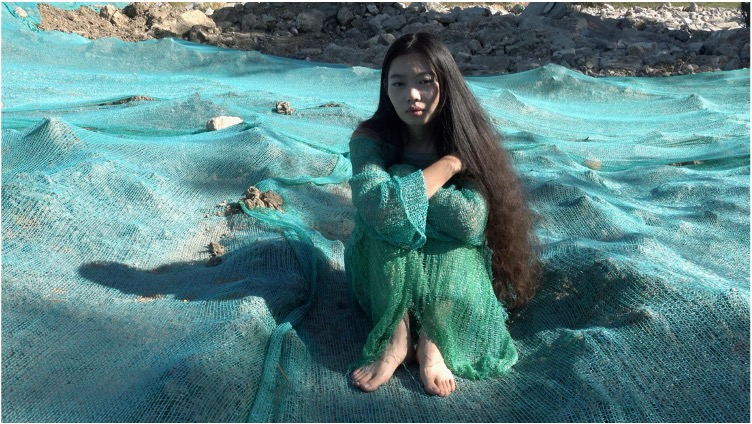
Installation Views