Passing Between
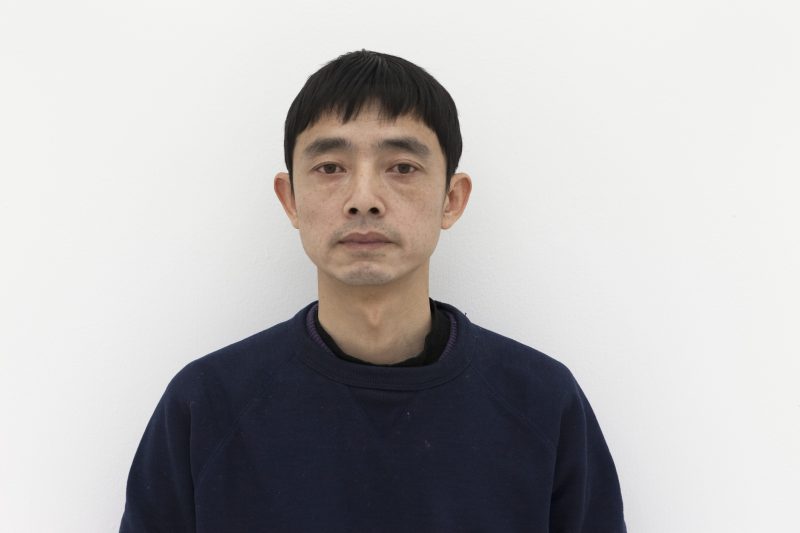
ZENG Hong
Curator: Lin Aojie
Group Exhibition, XY GALLERY, Guangzhou
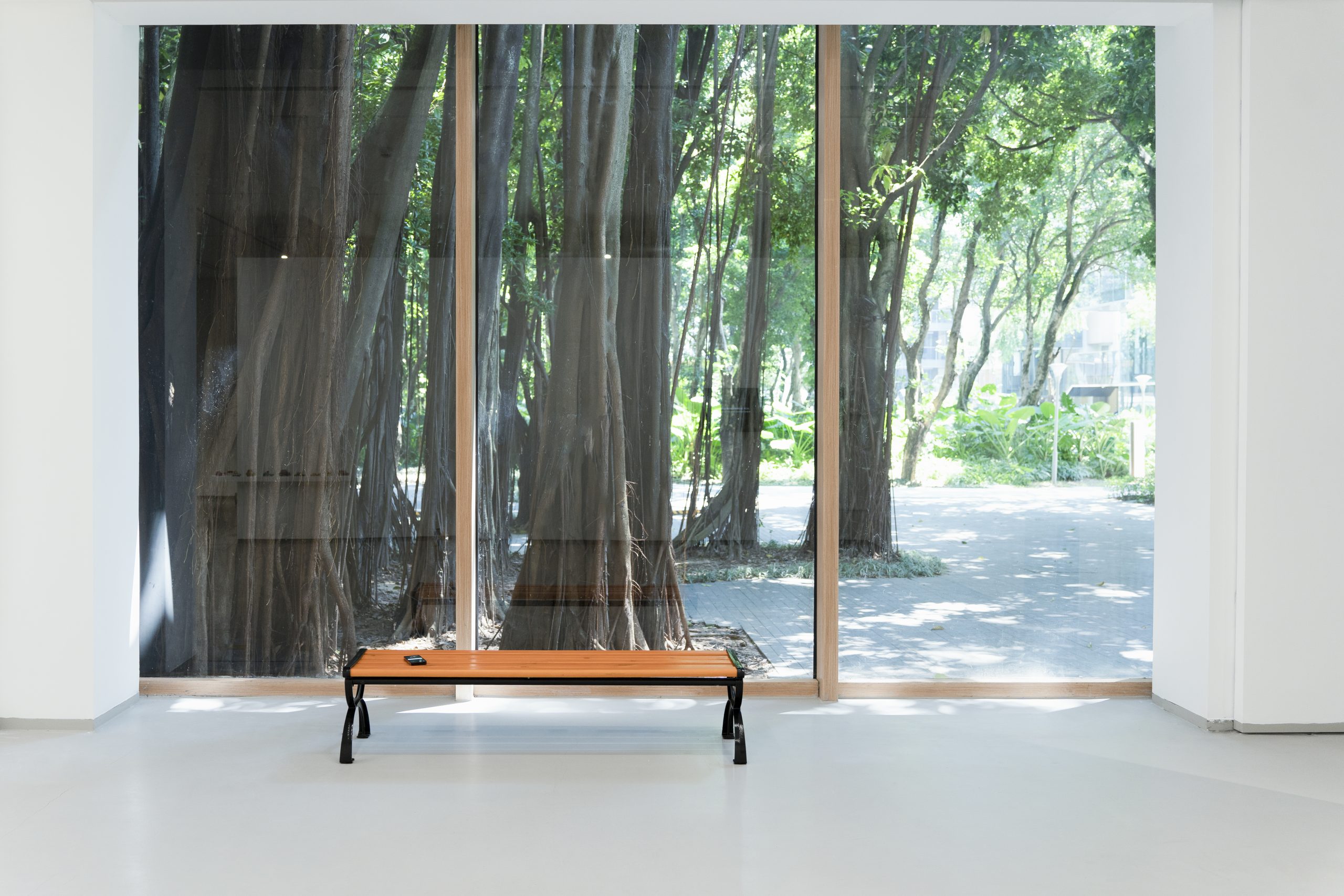
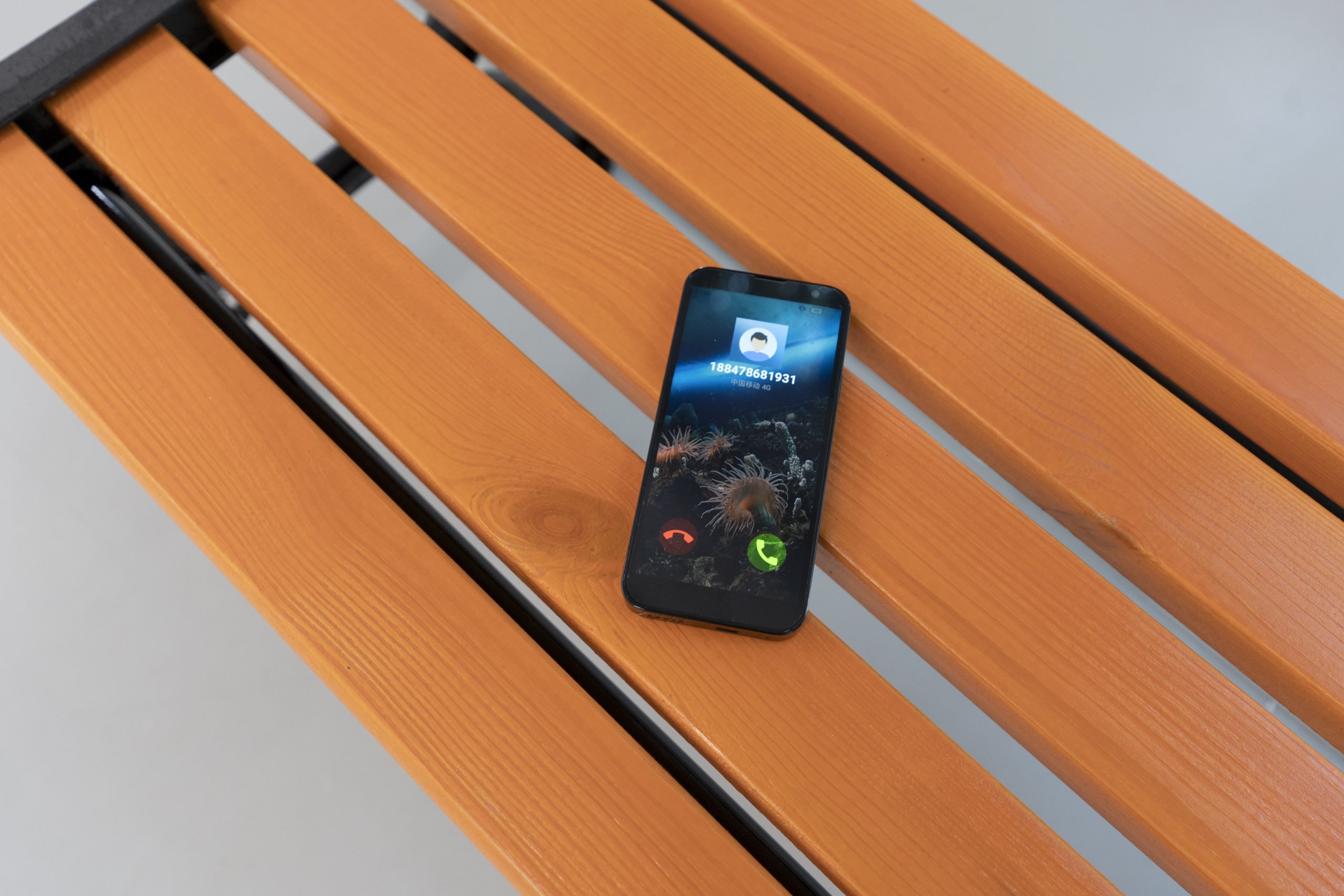
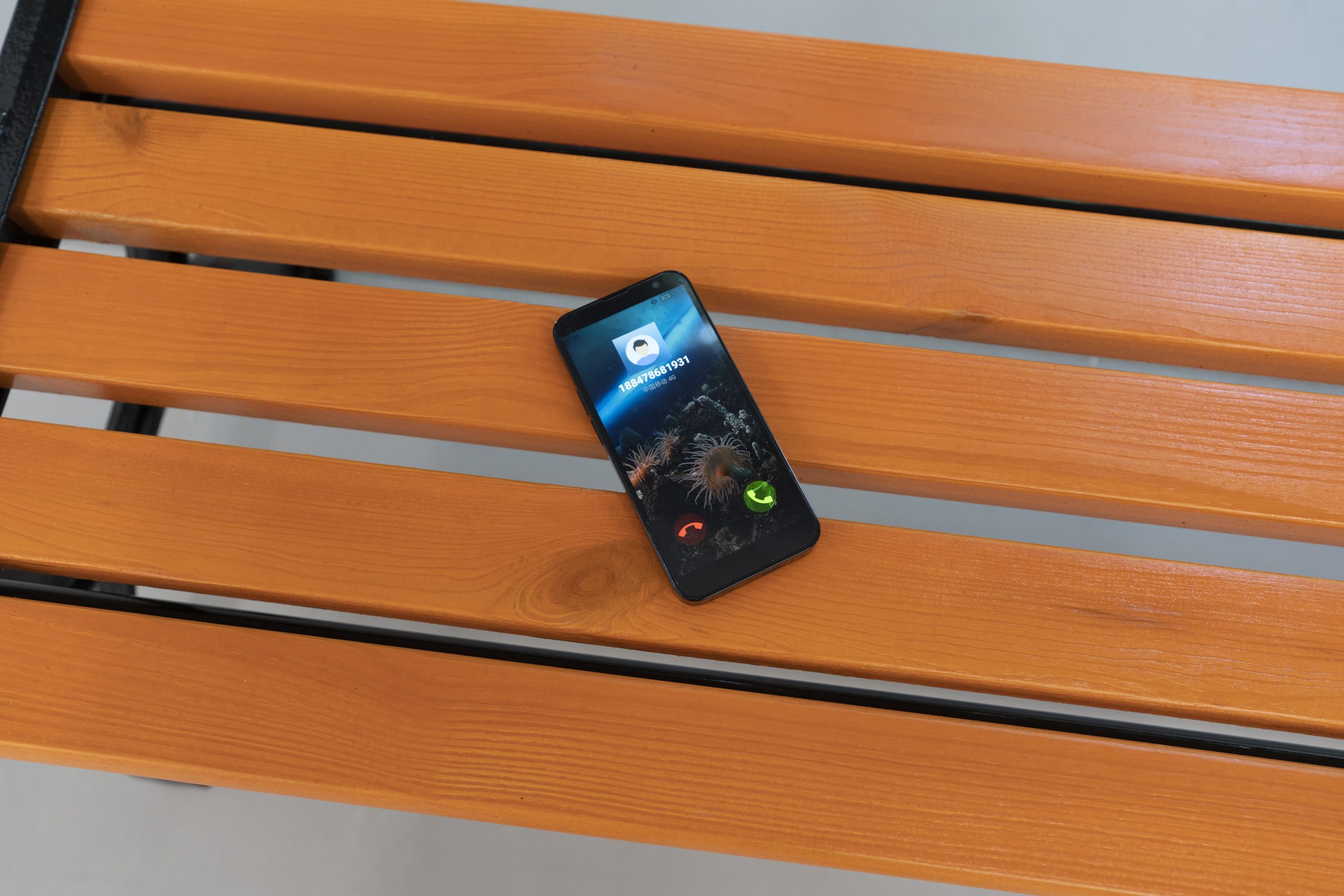
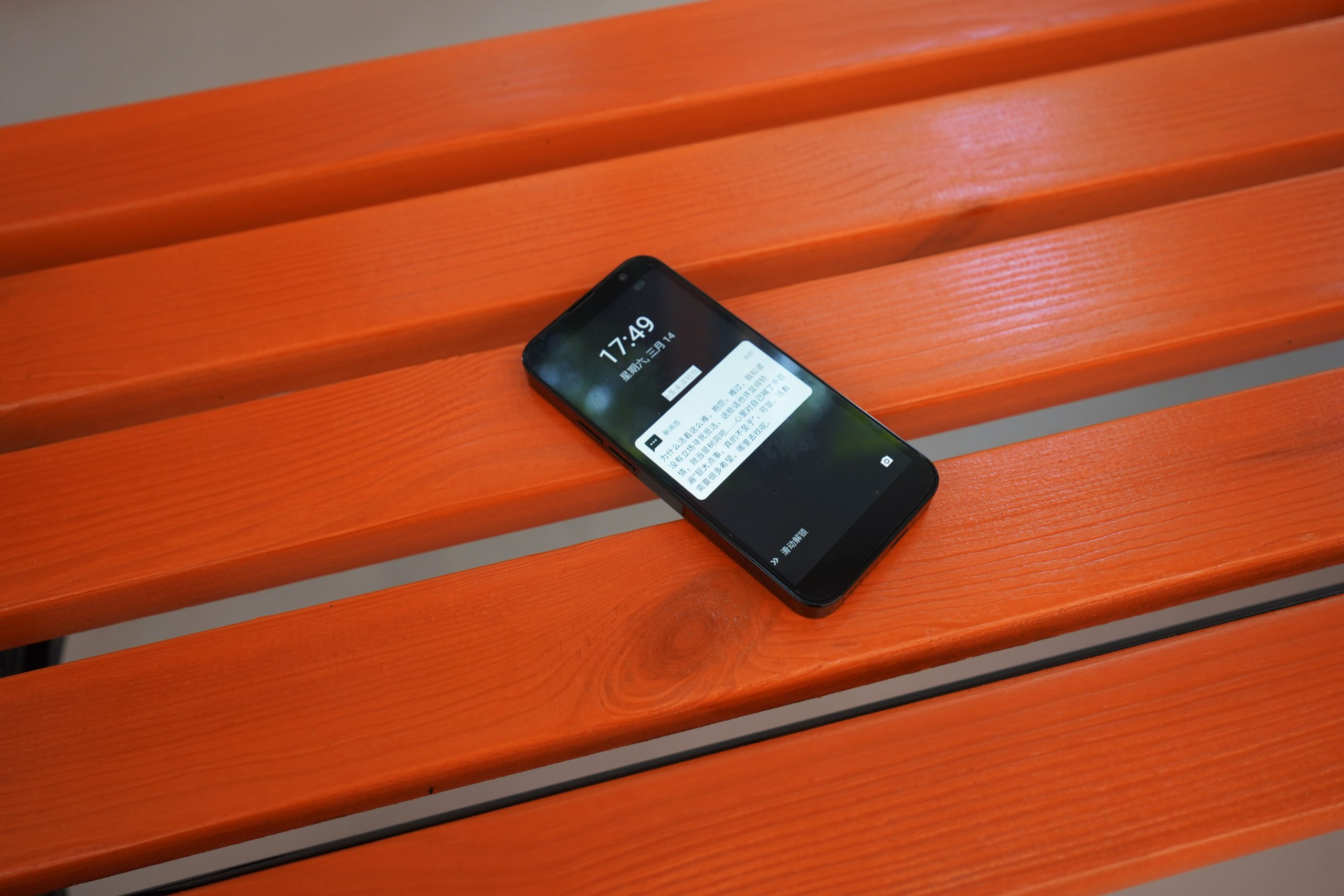
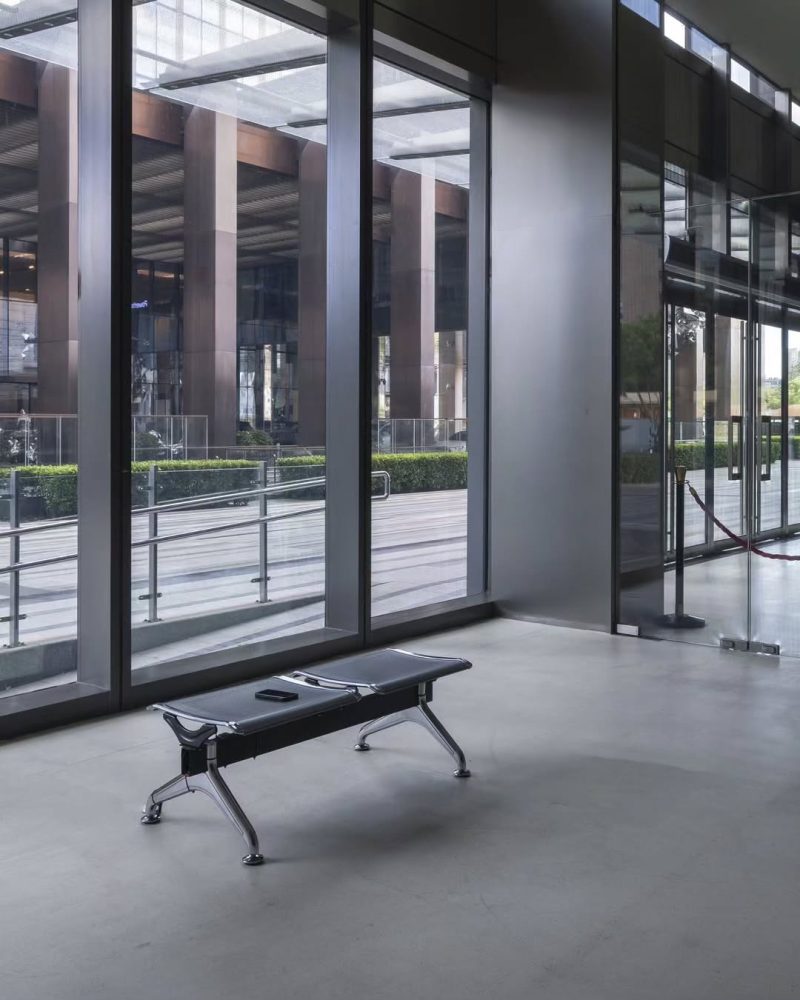
A phone without an owner. Calls and texts keep coming in. No one answers. The ringing stops, then starts again after a while.
After his father passed away, He Chi returned to his hometown, living a mundane, almost frozen life with his mother. He let his mother film him continuously with a video camera during this time, with no editing. It’s just two people in their daily lives, each digesting the loss in their own way: the son fills the void with companionship, while the mother finds catharsis through her endless nagging. This is the artwork So Forget.
Wu Silin presents two paintings—one looking back at the past, the other looking forward to the future. The Artist’s Bed Sheet traces a person’s growth from childhood. The canvas, layered like drying fabrics, stacks memories from childhood all the way to the present. Meanwhile, The Artist’s Bath Towel captures a yearning for the future. Suspended beneath the towel is a childlike wish, candidly cast toward the days yet to come.
Compared to the deeply personal, everyday routines handled by He Chi and Wu Silin, Zhu Xiang faces a family history that is also a collective one. In her video work Seaside Cemetery, Zhu Xiang’s grandfather and uncle vanished during those turbulent years, leaving her grandmother to spend the rest of her life writing down these experiences on scraps of paper she found. After her grandmother lost her memory, she took over this act of witnessing. As long as someone takes over the memory, there is no need to wait for vindication. Her other piece, The Woman of the Marginal Sea, scales this writing up to a mythological level: female deities—dragon daughters, snake spirits, water nymphs—have been constantly rewritten and hybridized over centuries of maritime migration. Myths don’t exist because they are confirmed, but because they continue through endless retellings, circulation, and encounters.
A stack of the grandmother’s scraps of paper, and some constantly altered statues of deities—all these allow existence to endure. Zeng Hong’s Passion brings us back to that unclaimed phone at the beginning. As long as someone keeps dialing that number and pouring out their feelings, the owner hasn’t truly left. Existence is no longer certified from the top down, but is built from countless acts of people unaware of each other, from pens that never stop writing and calls that are never hung up.
Unlike the inward-looking confessions of memory above, Goh Chun Aik’s photography series The Meaning of White is an outward confrontation. Graffiti is a trace left by individuals, while white paint is the bureaucratic erasure of it. The authorities don’t care about the content, but that jarring block of color actually leaves behind a scene that tries too hard to cover things up, inadvertently drawing more attention to what’s hidden.
Contrasting with this coldness is Wu Shangcong’s Journey series: 72 small wooden cars traversing the exhibition space, where the story happens in the journey itself. His other work, Dance, features 16 wooden blocks embracing in pairs; you might bump into a couple anywhere, holding each other, dancing, without a care in the world. When the cars stop, people start dancing. The journey and the dance seize the joy of the present moment, echoing the hope for the future in Wu Silin’s The Artist’s Bath Towel.
That phone is still ringing. Maybe one day, the person who picks it up will be able to say calmly, just like He Chi’s mother: “I’m just going to forget him, like this.”
by Lin Aojie
Installation Views