HU Wei: The Xeno-Chamber
2025.11.22 - 2026.01.10
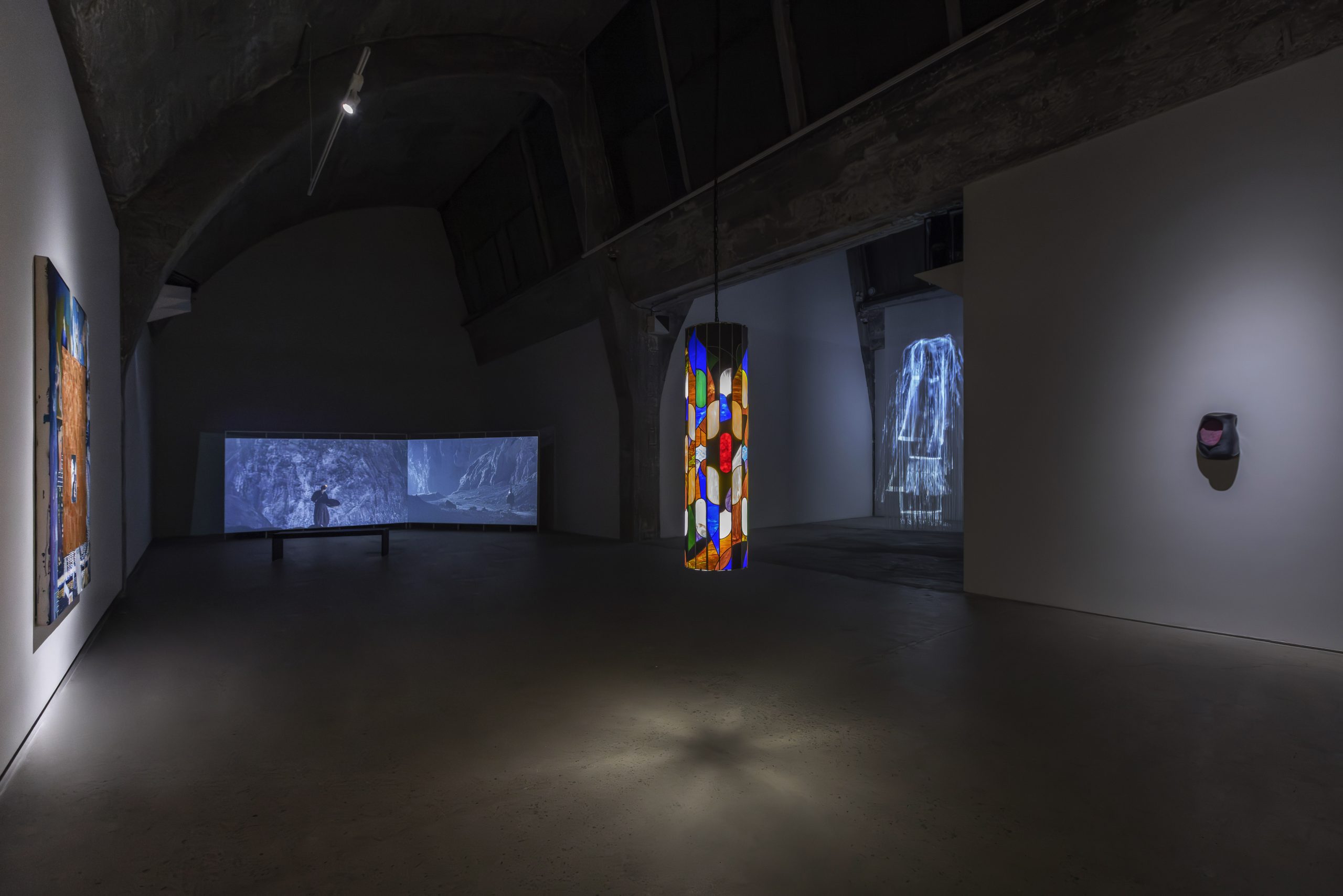
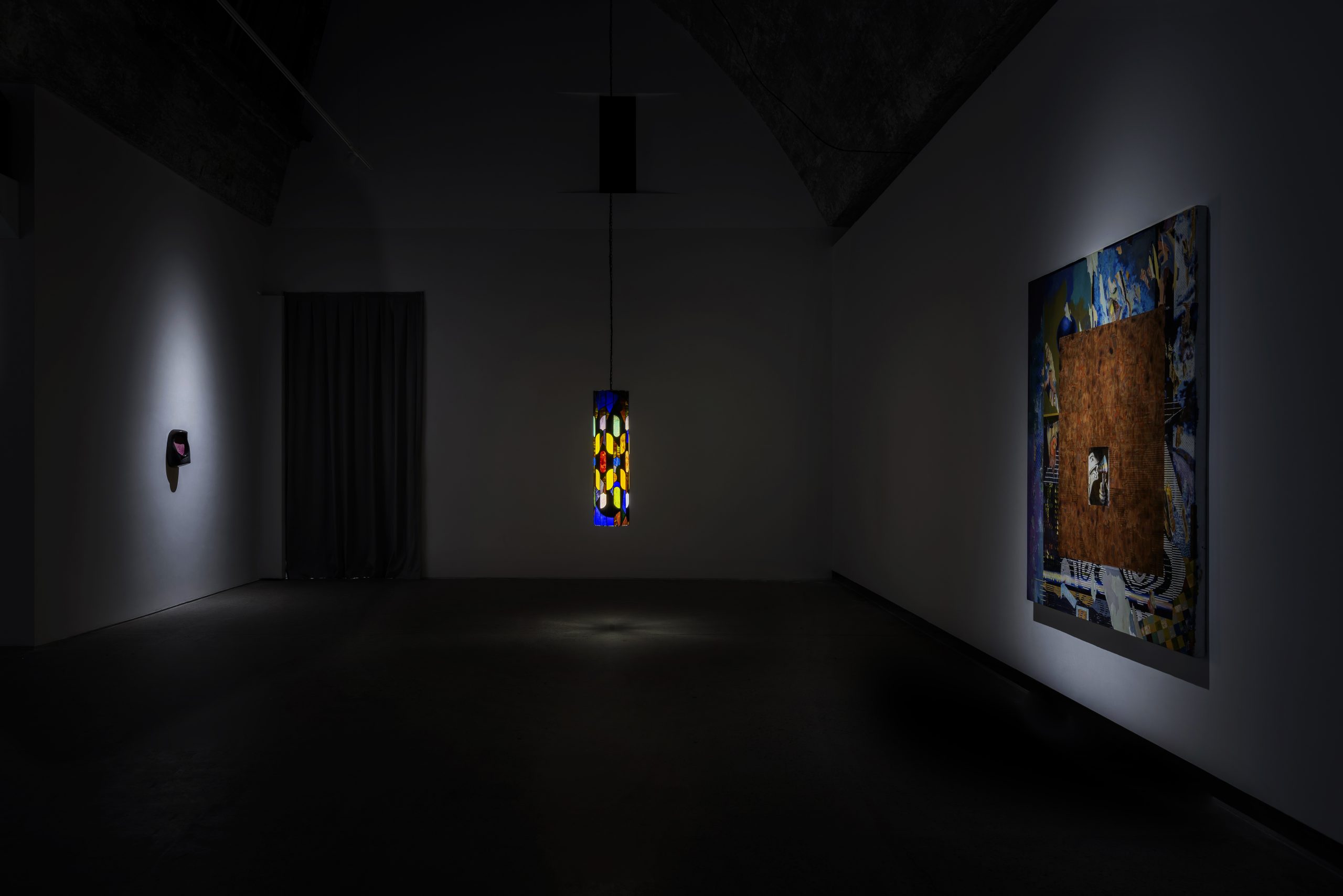
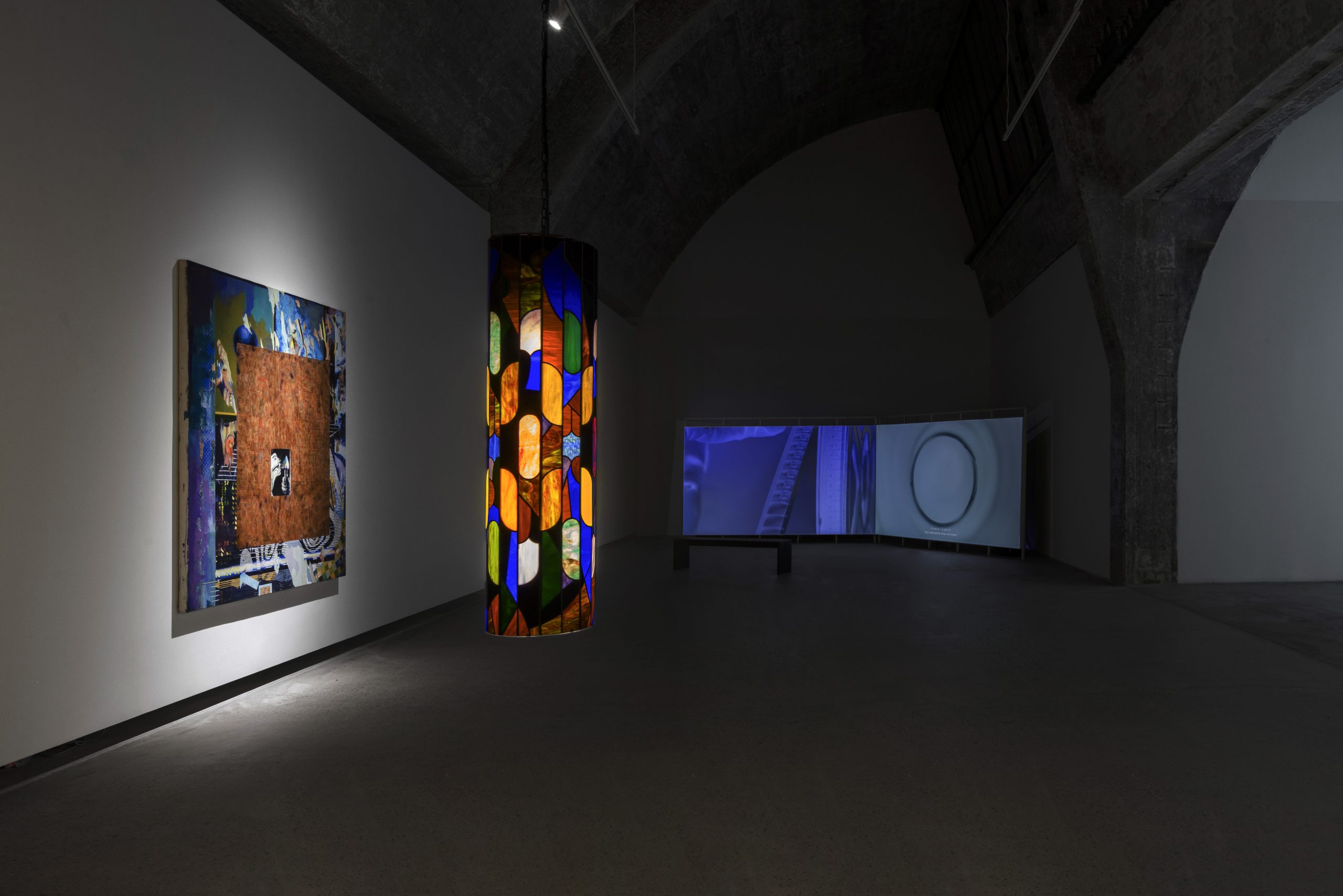
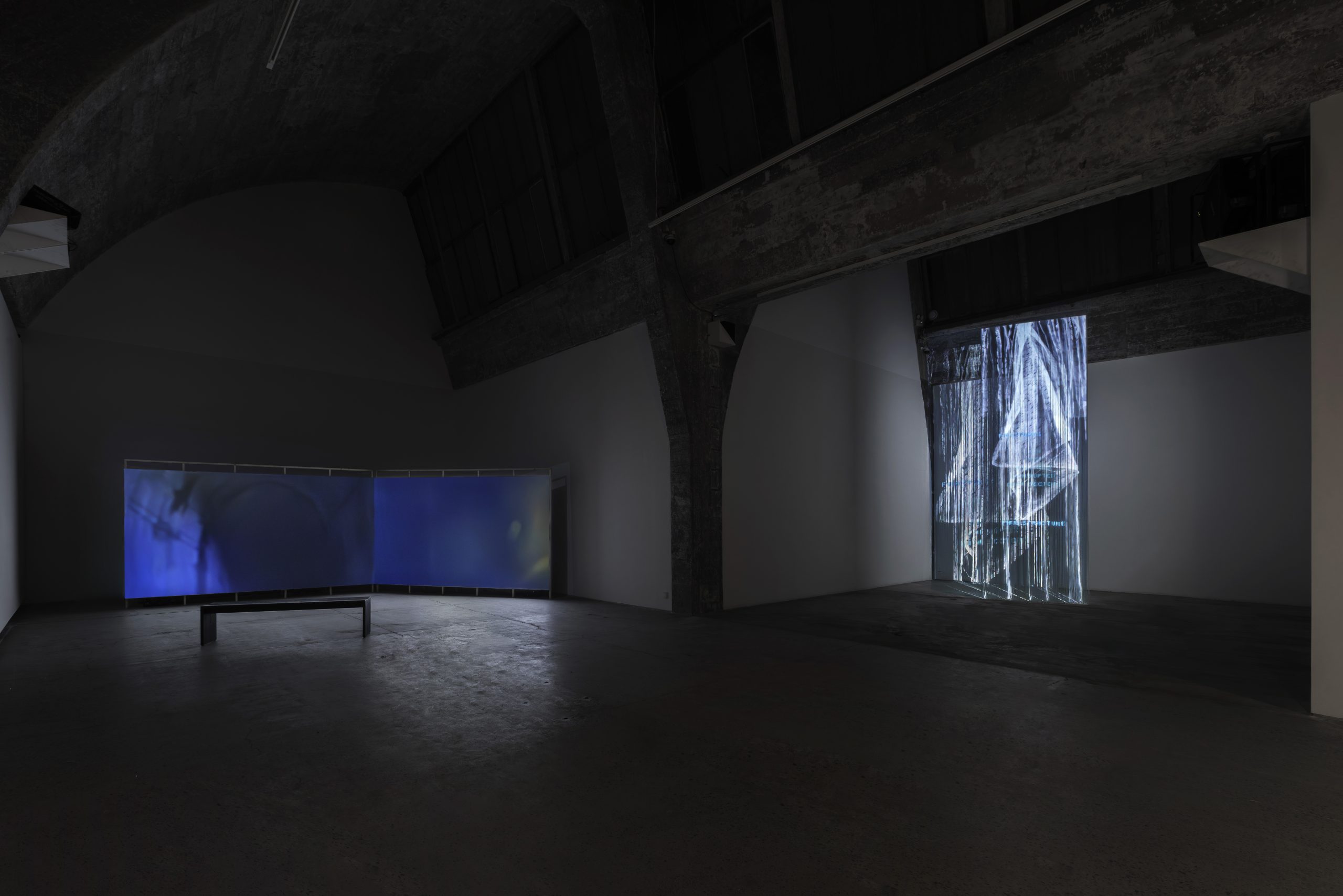
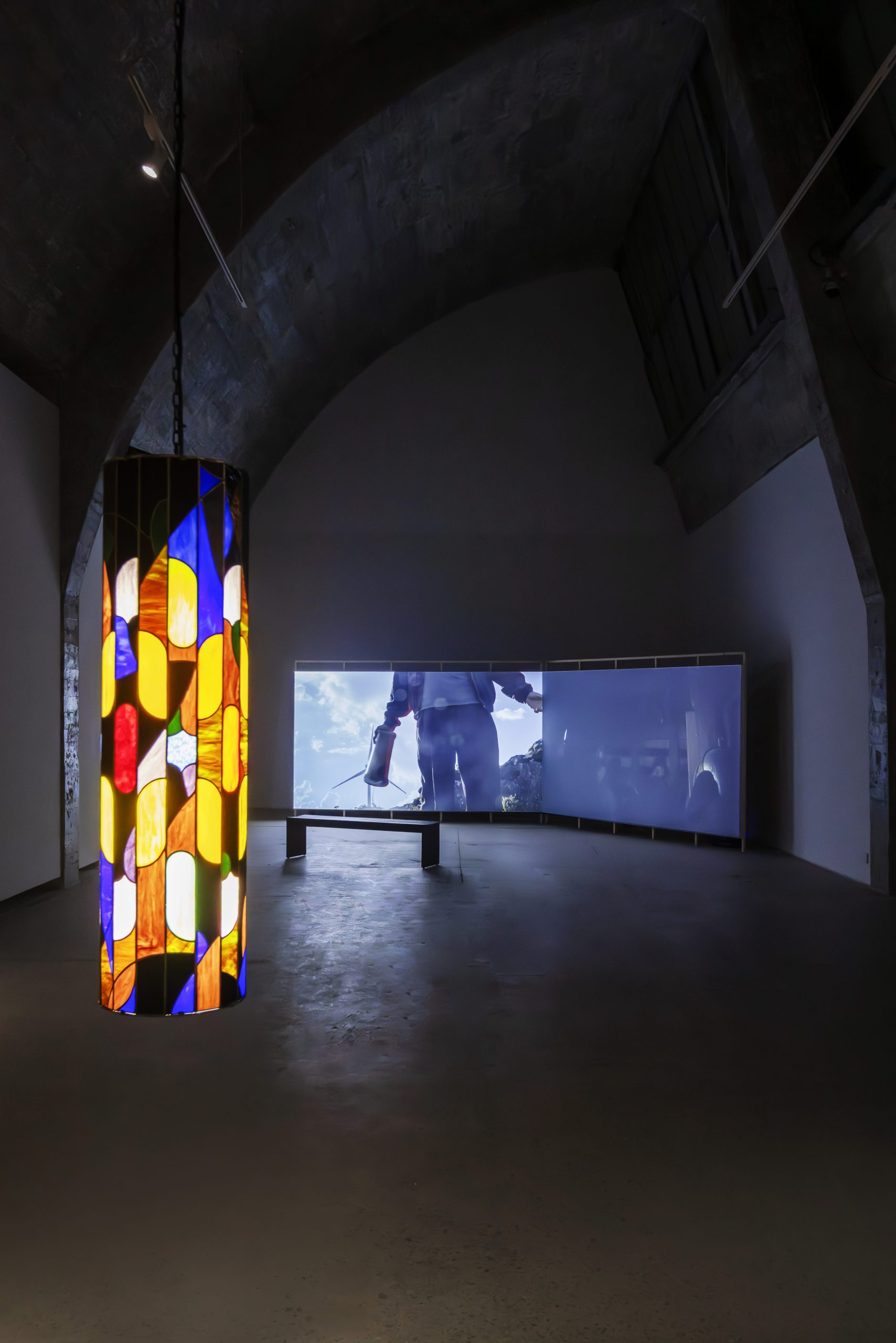
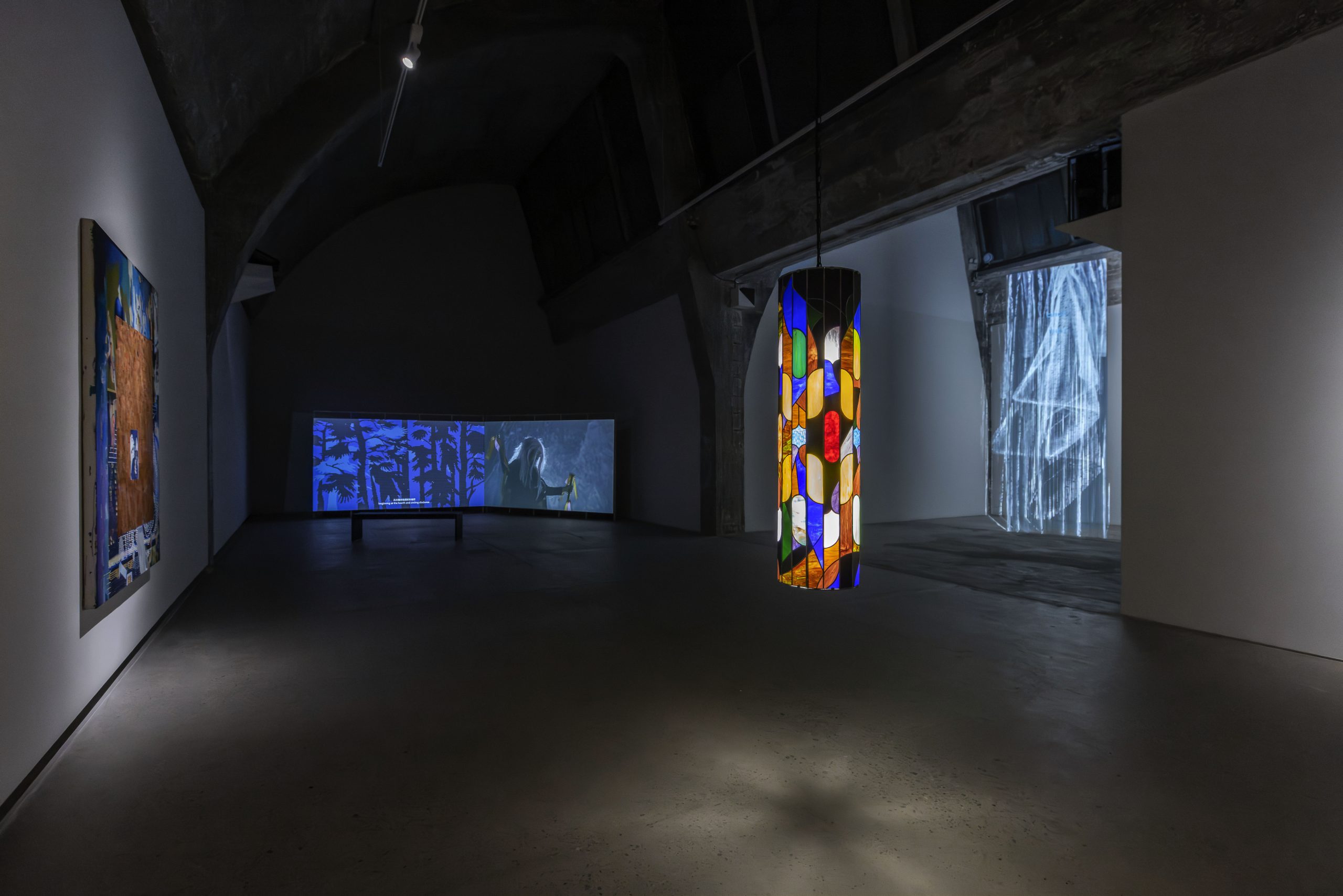
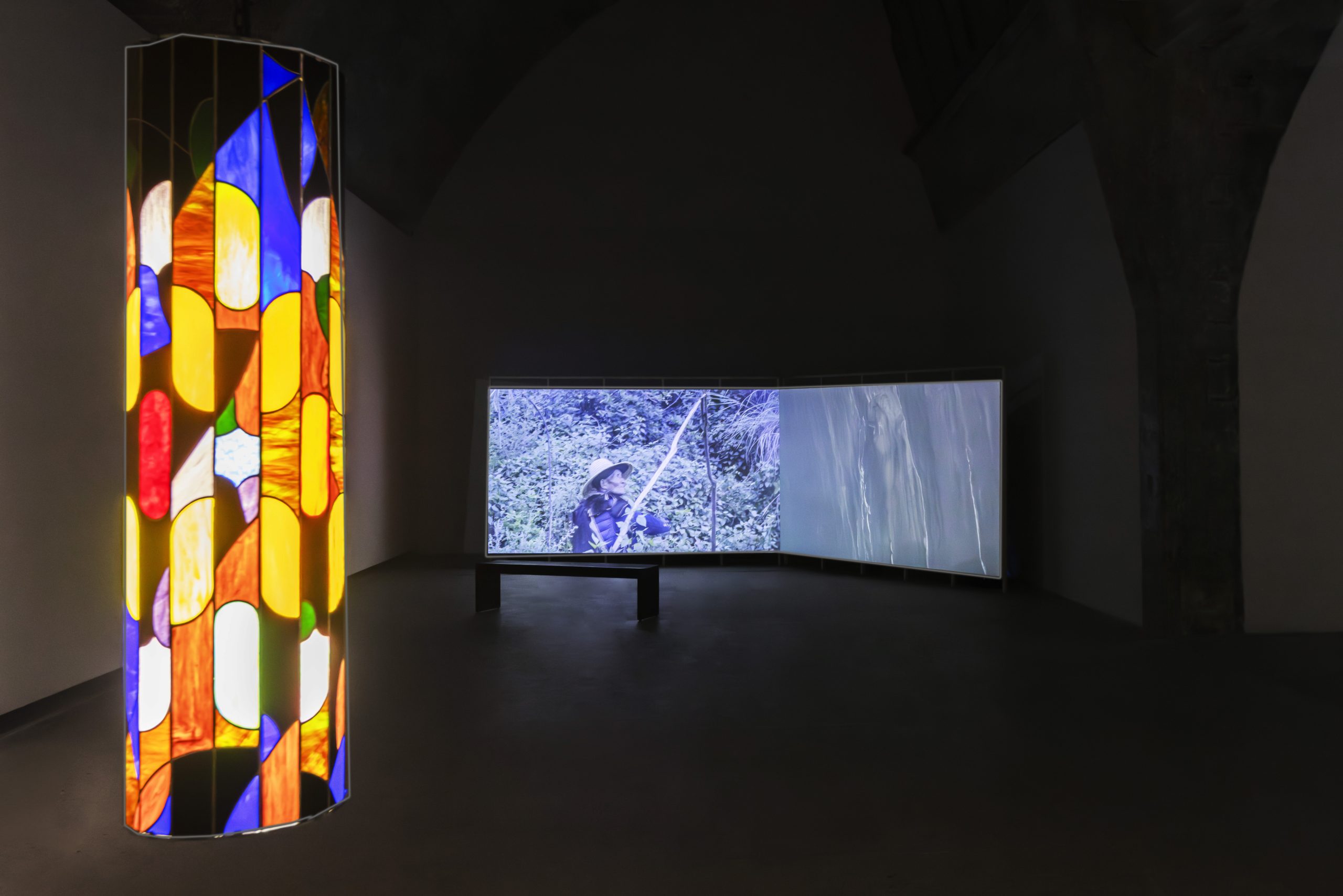
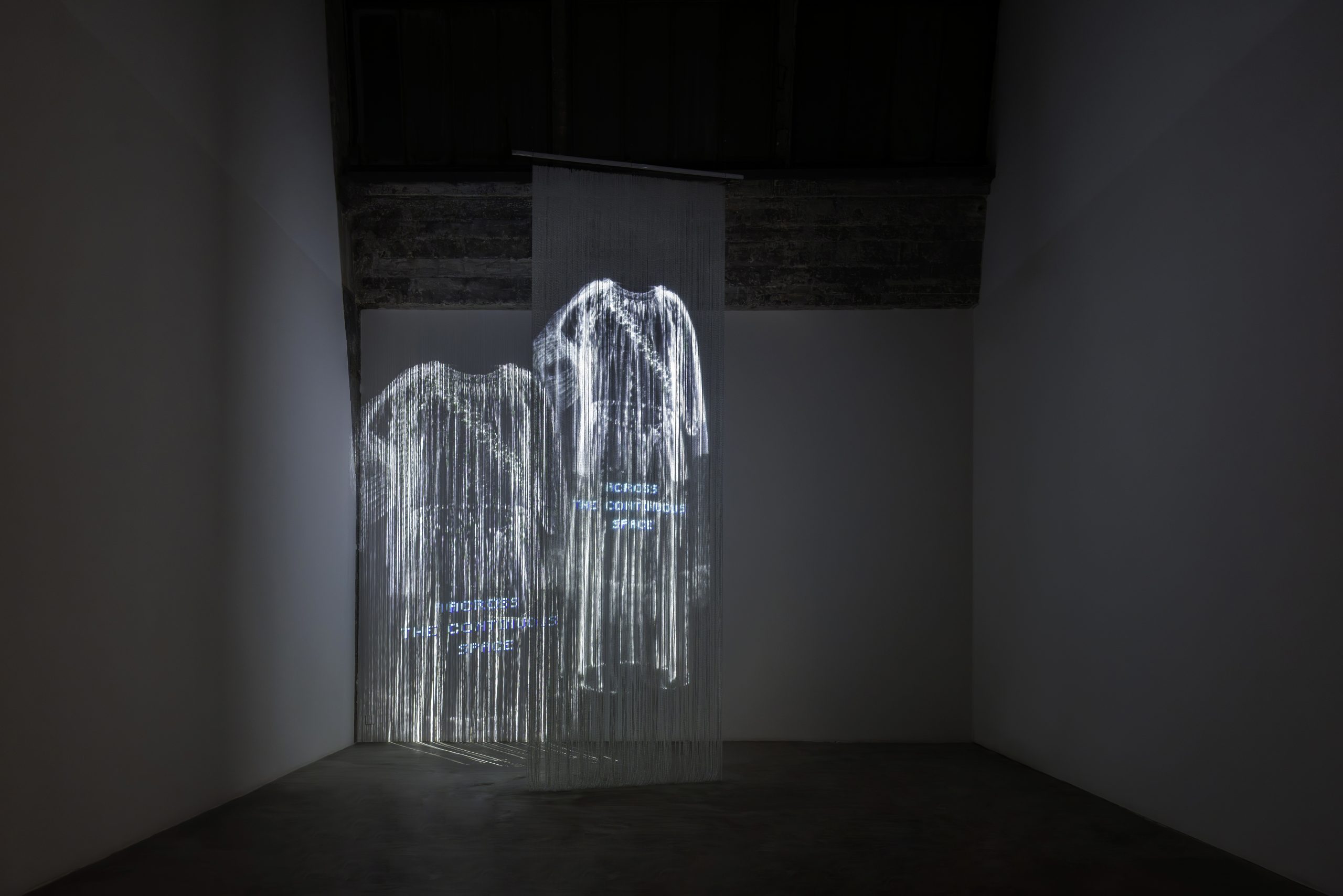
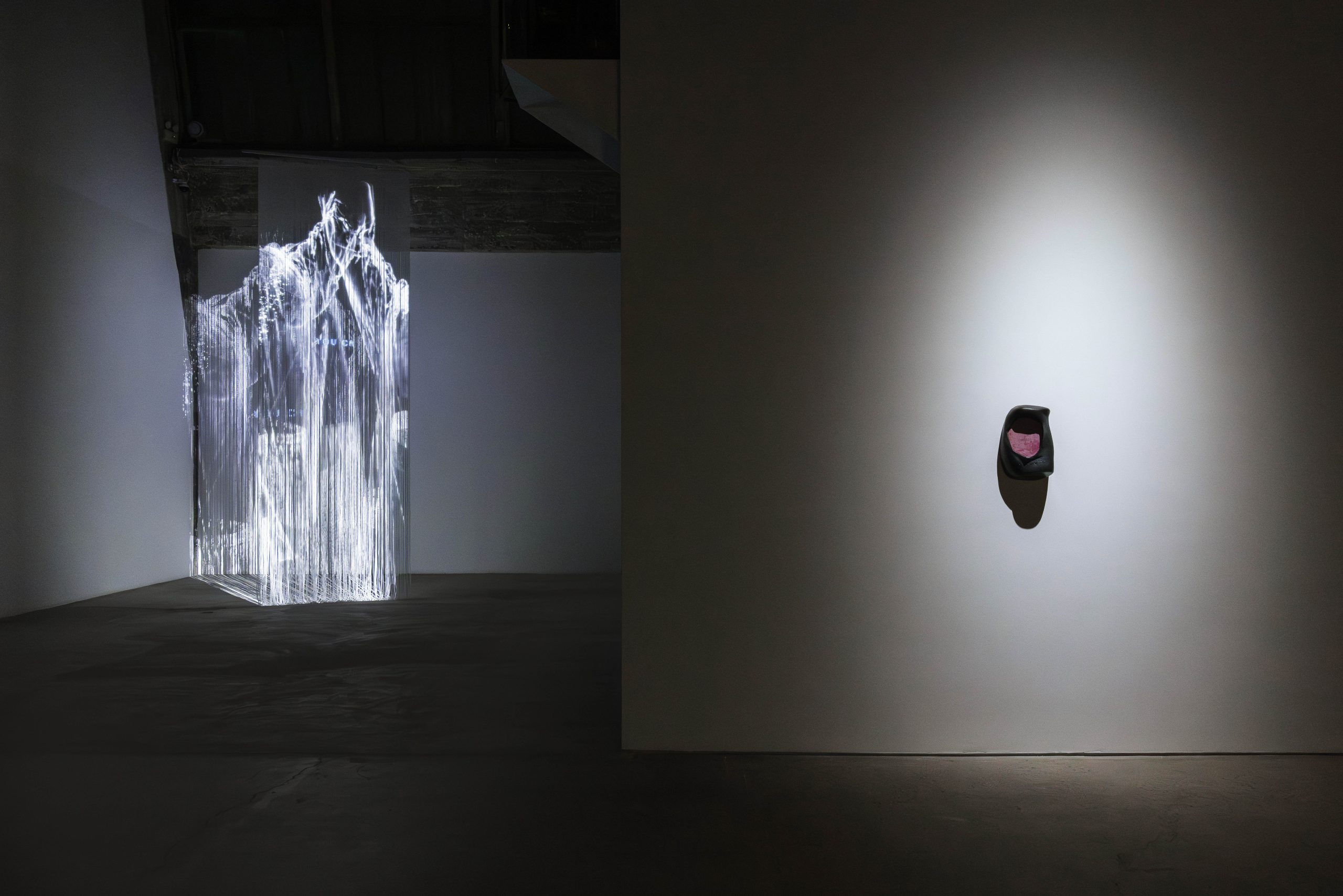
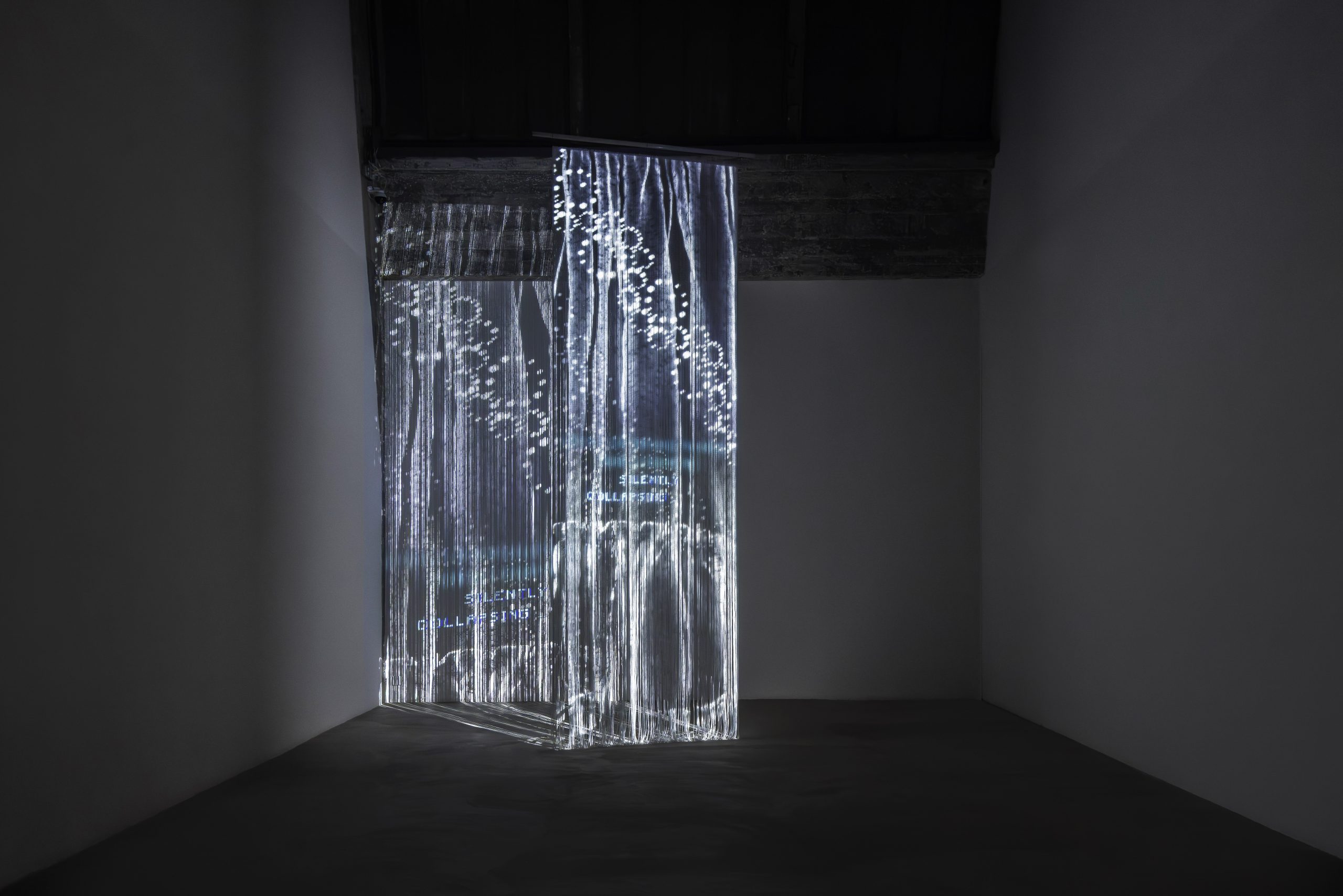
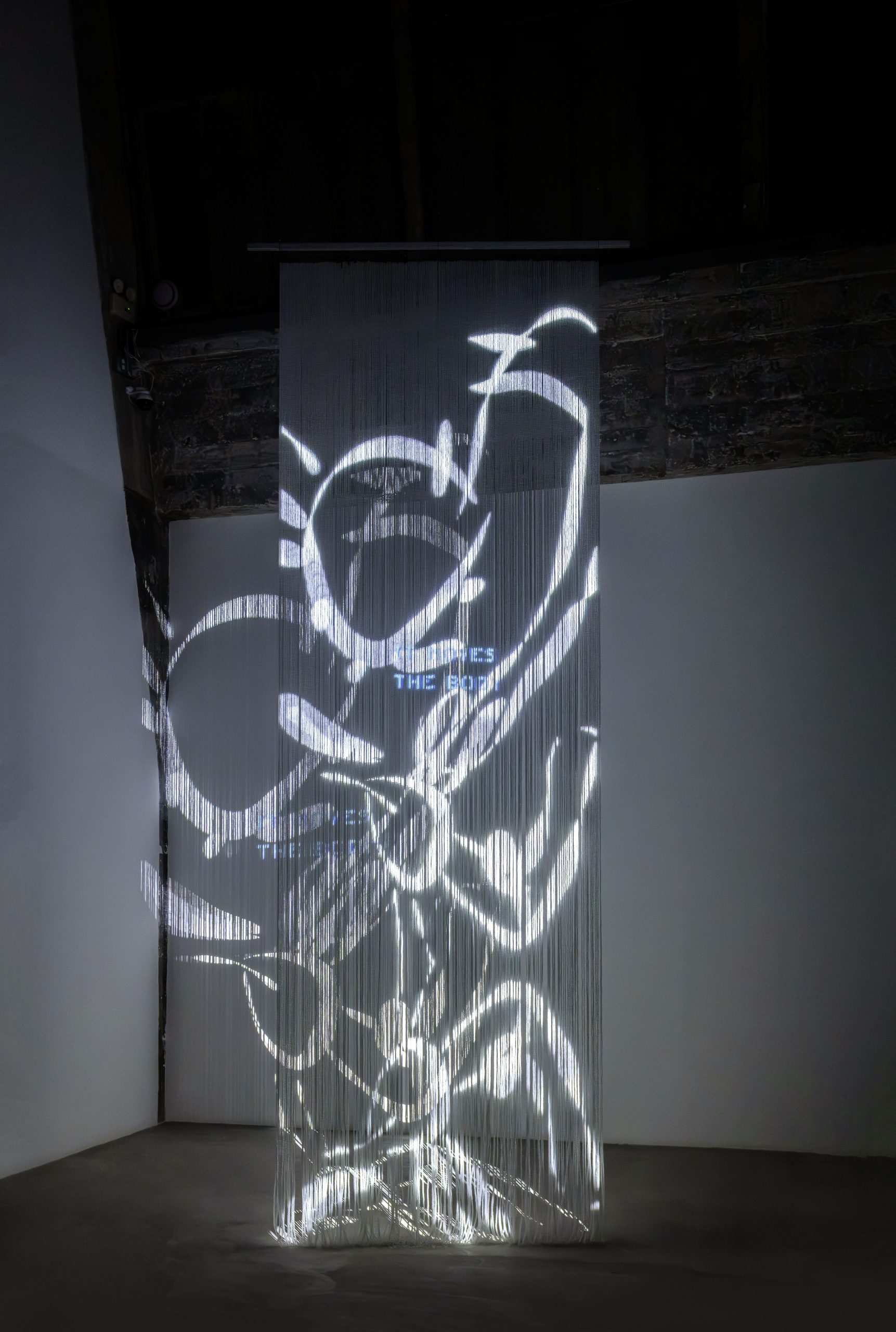
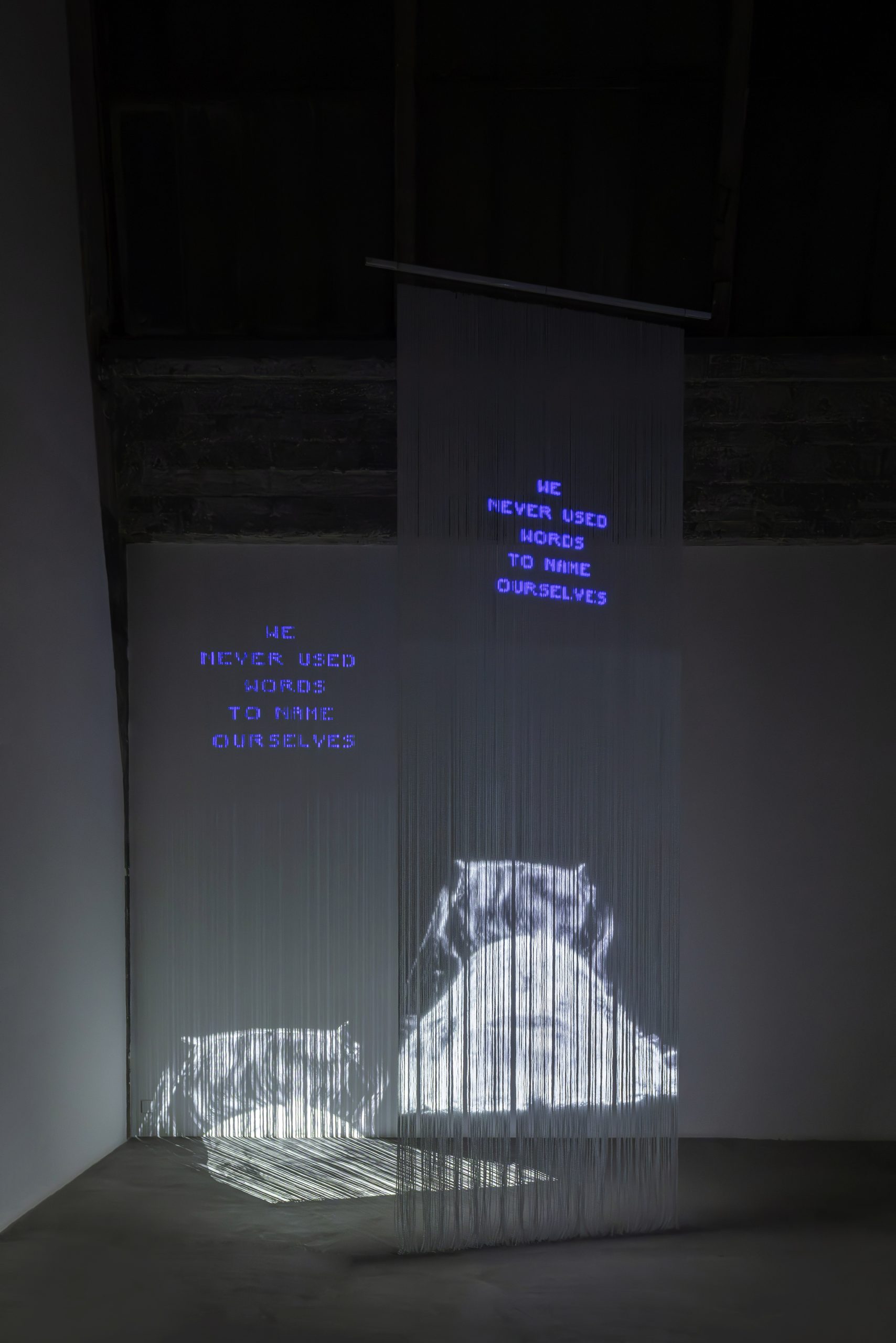
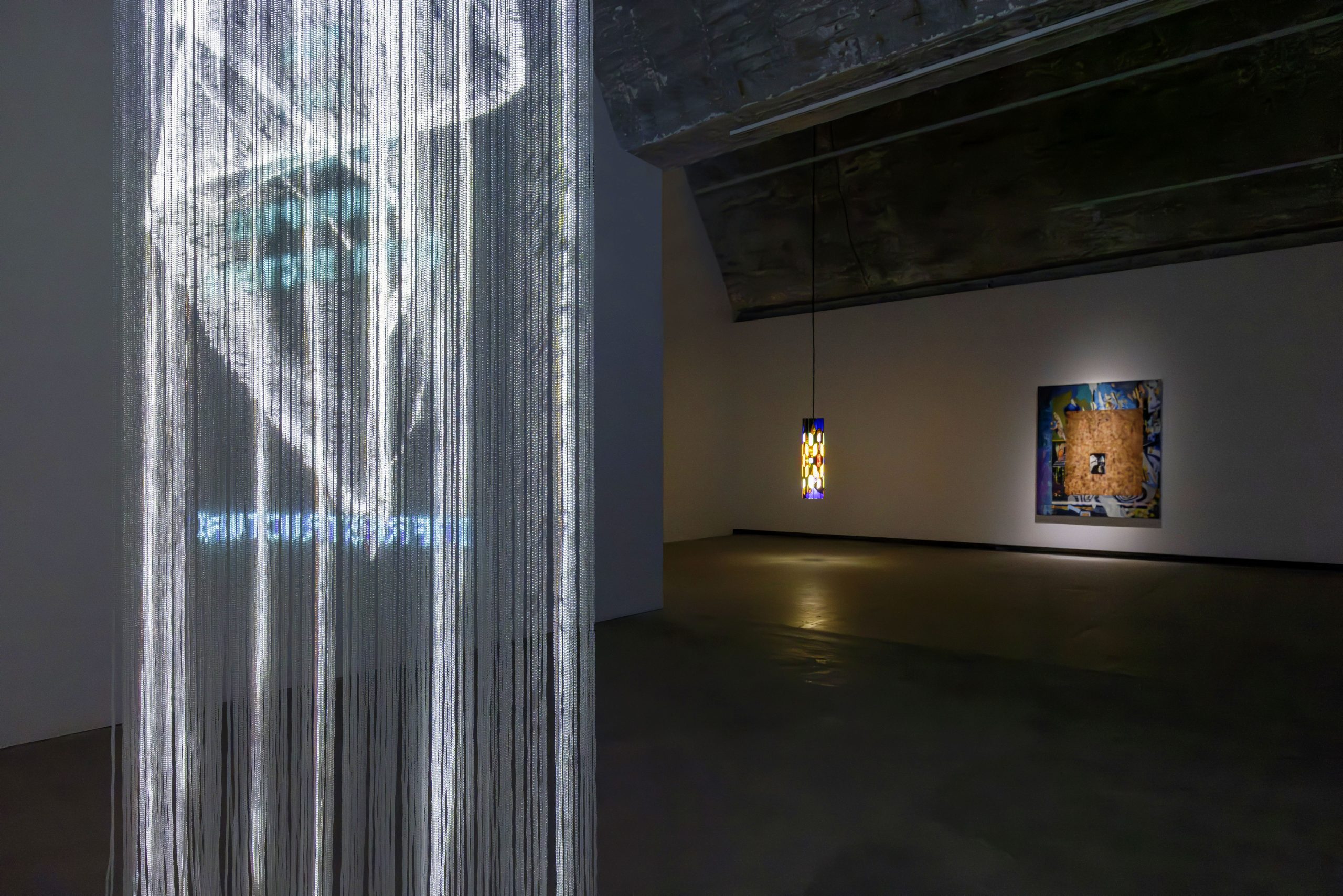
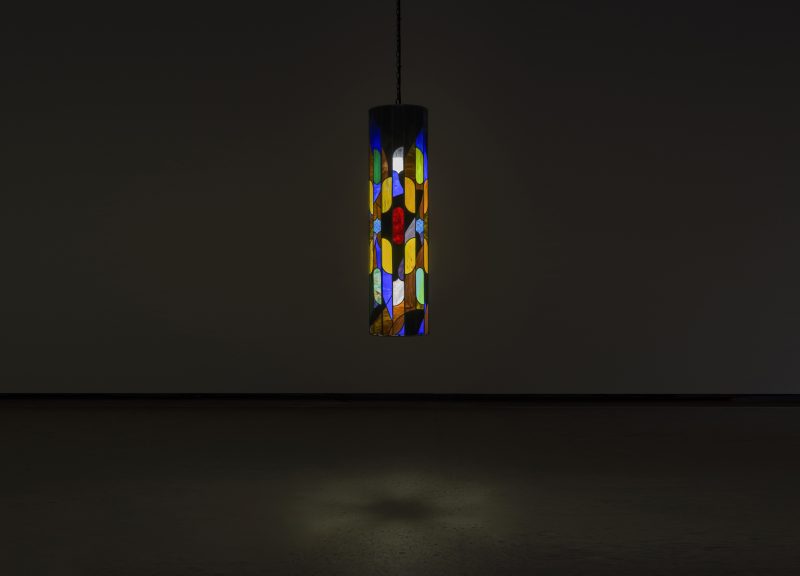
REFLEXION is pleased to present the solo exhibition, The Xeno-Chamber, by artist HU Wei, opening November 22nd, 2025. The exhibition is the artist’s first solo show in the gallery, featuring his latest video, installation, and paintings.
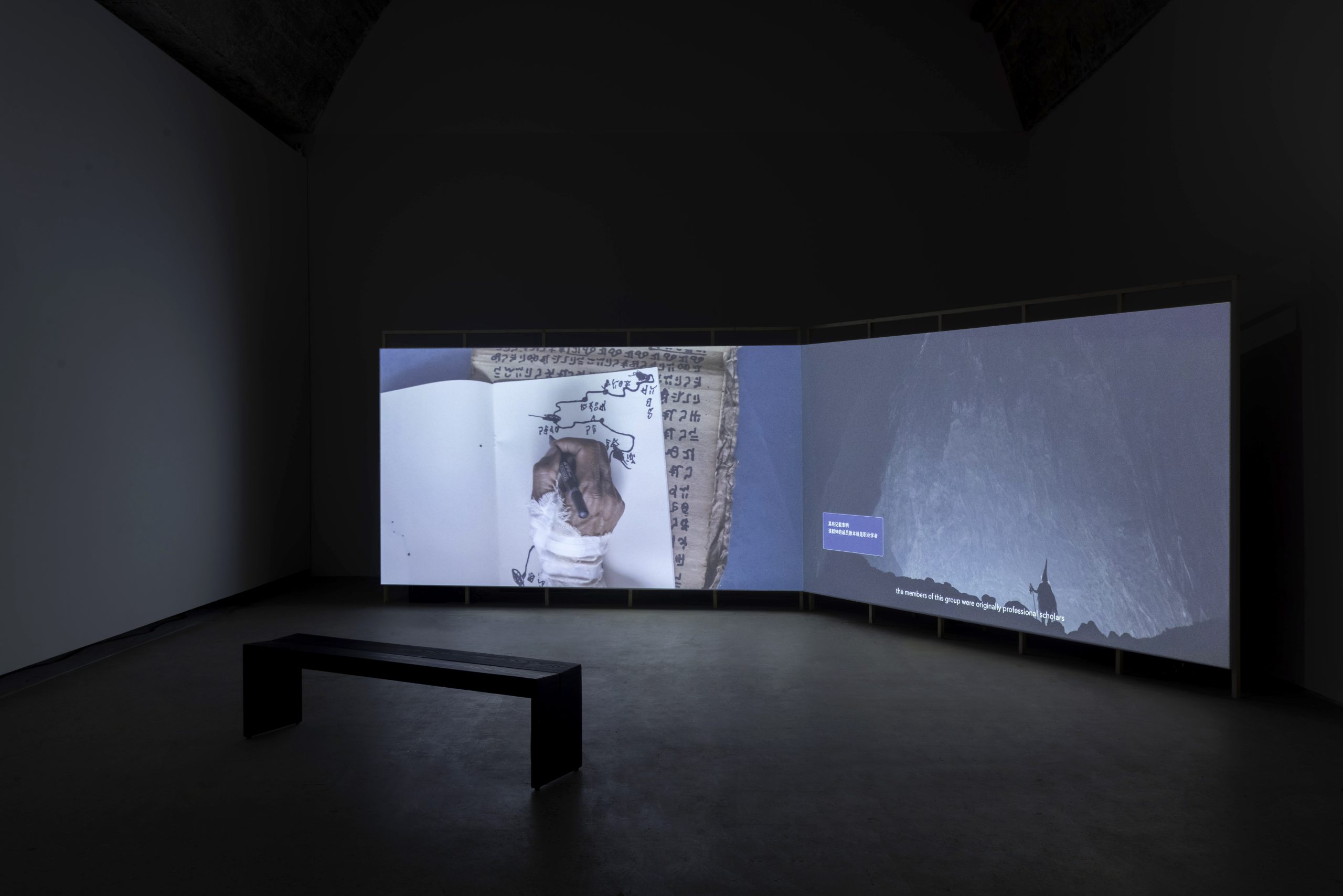
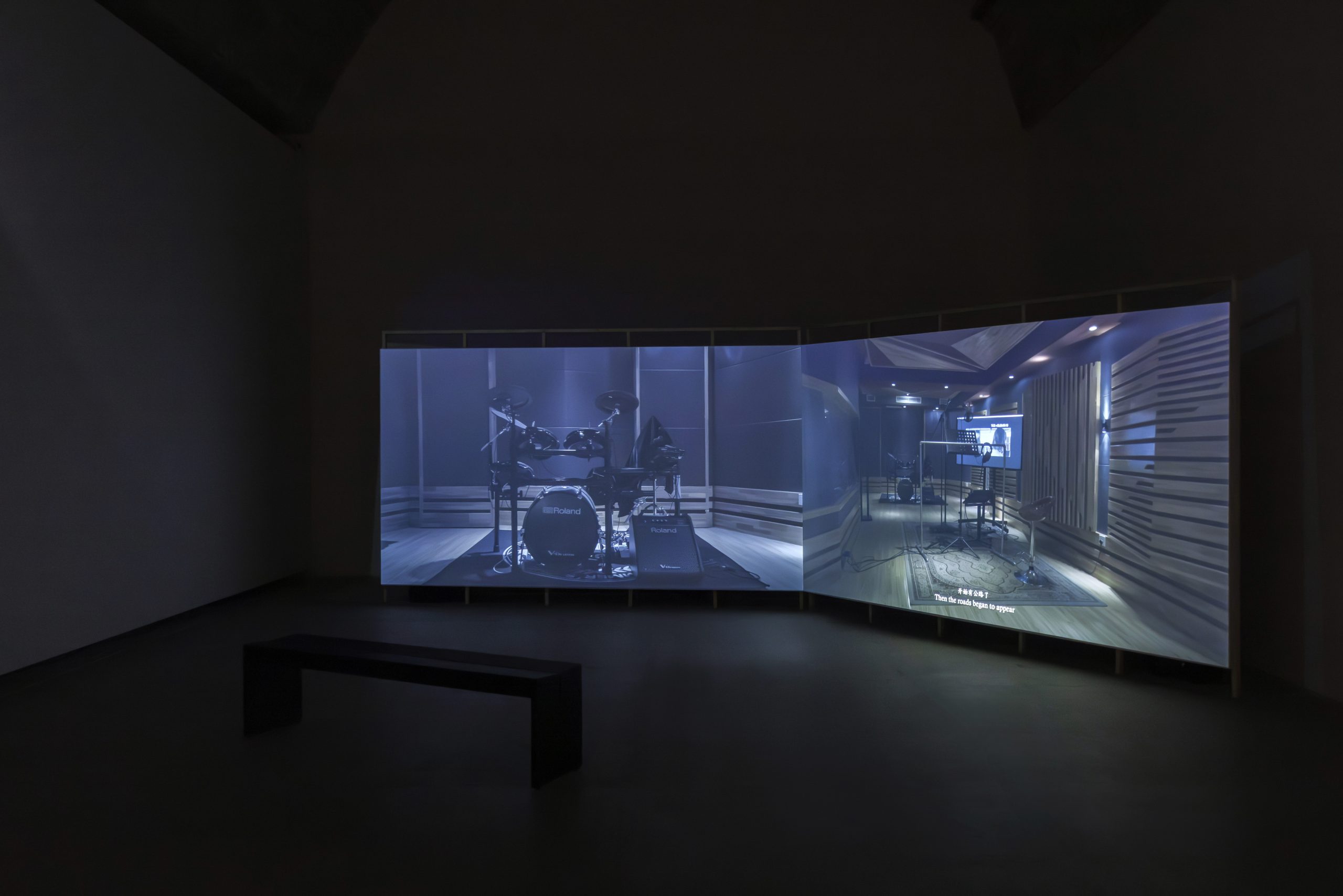
Transforming the gallery space into a chamber, the exhibition captures projections from the outside like a giant camera obscura. HU Wei began with research and photography he took in the border of Yunnan, Guizhou, and Sichuan Provinces in the southwestern mountainous areas, metaphorically building the upland into a kinetoscope. The physical space where light and shadow overlap with illusions, where multiple memories converge with interleaving perceptions, a homecoming path supposed for memories and souls, turned out as a linear, single-direction history path in the name of modernization, so that the memories and souls seem ubiquitous, but have never truly reached any far.
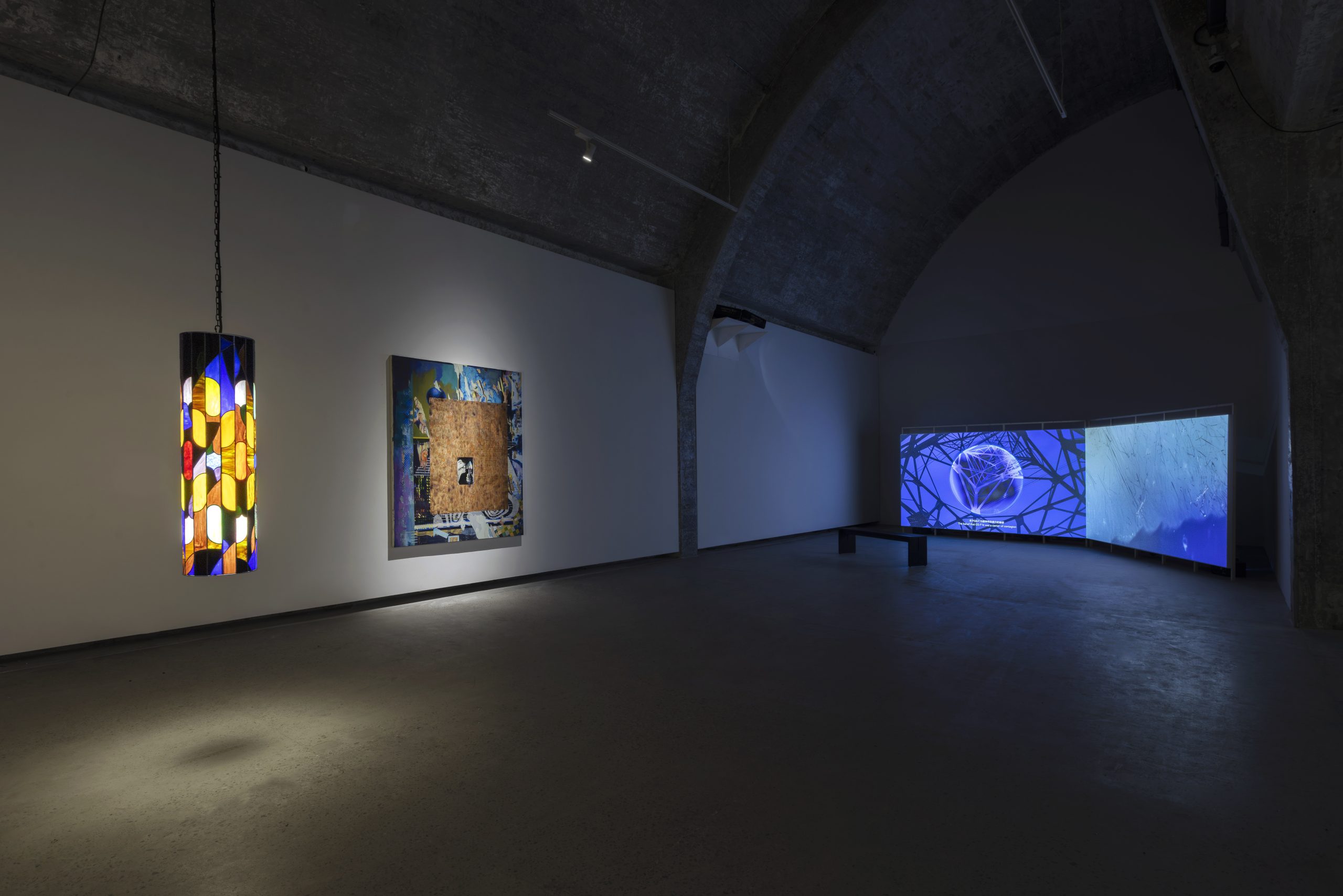
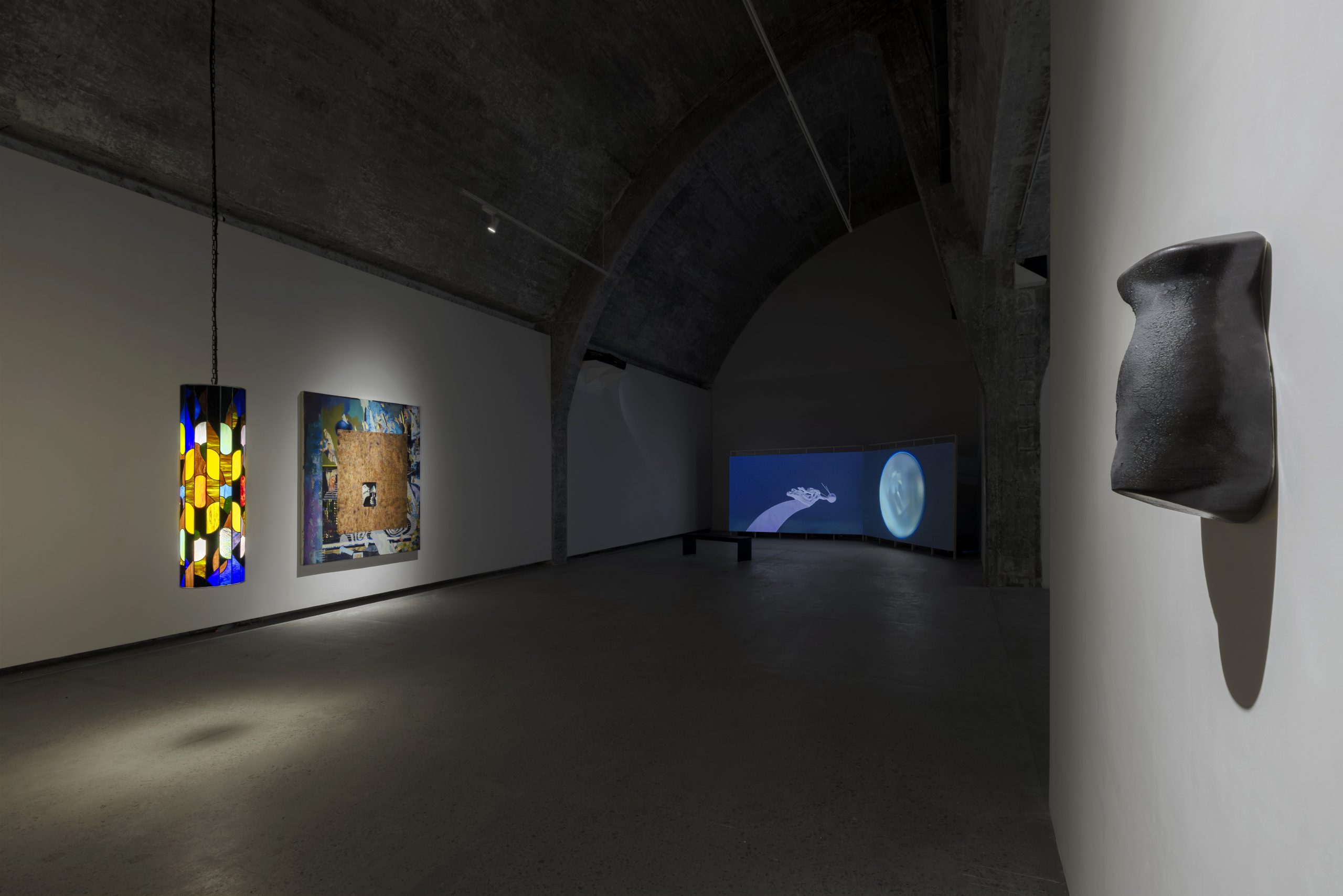
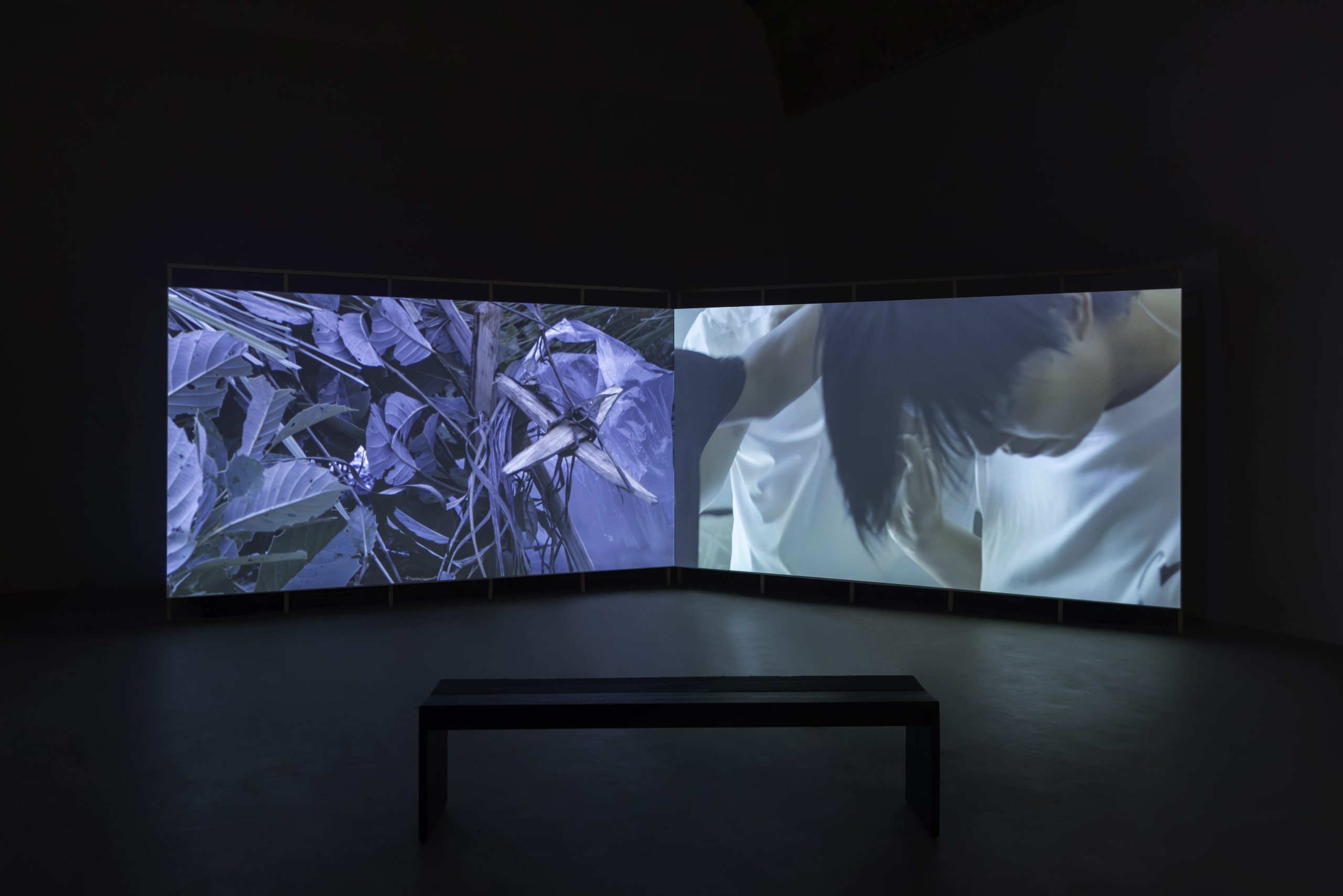
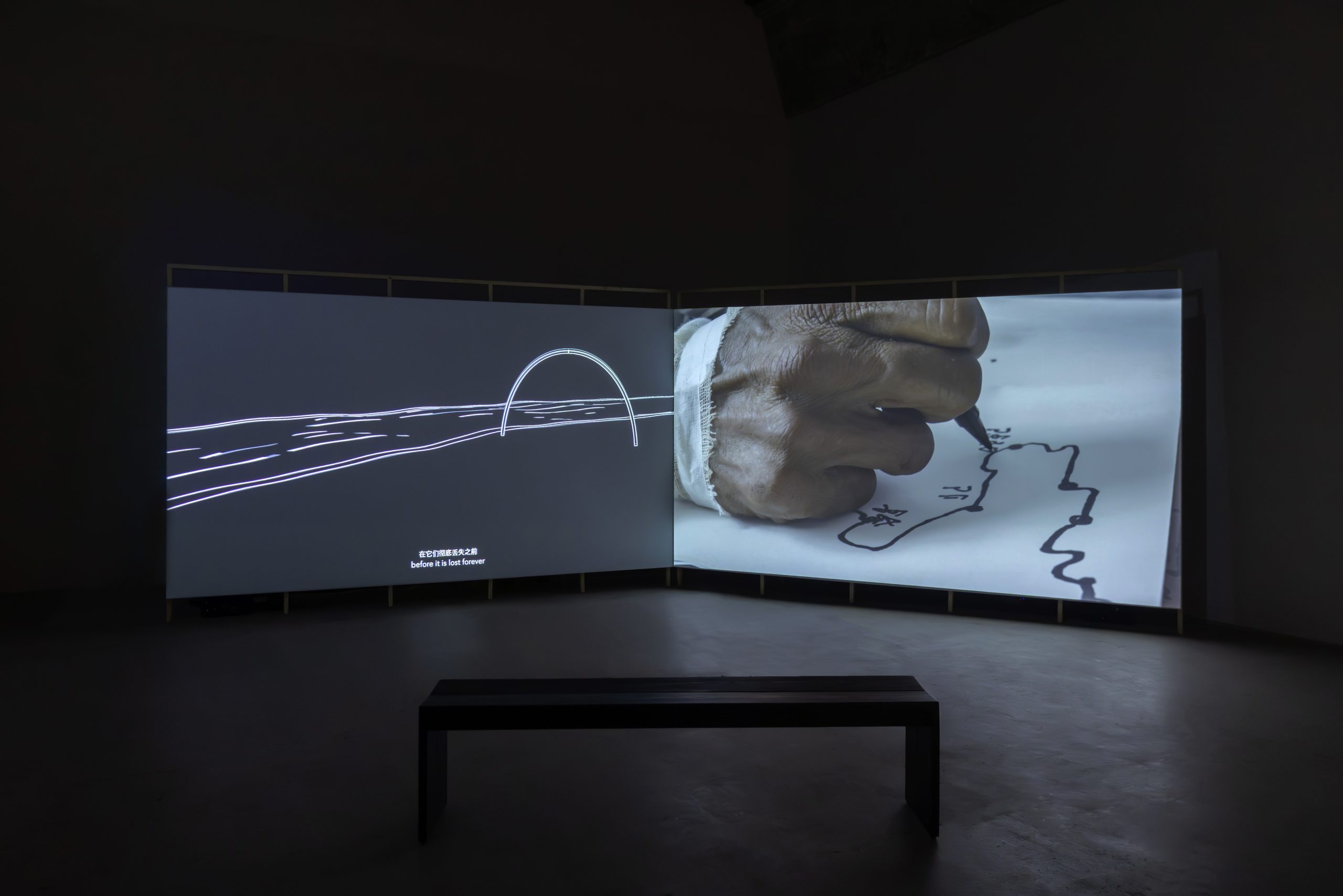
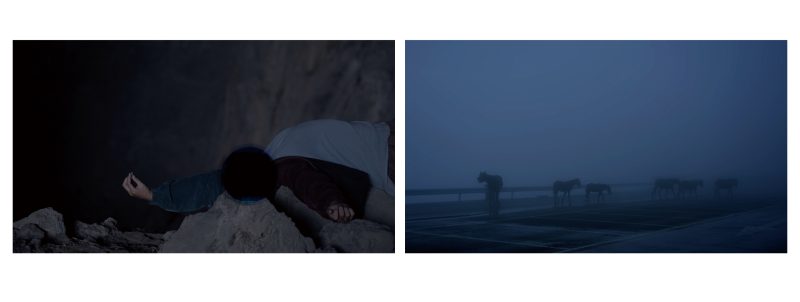
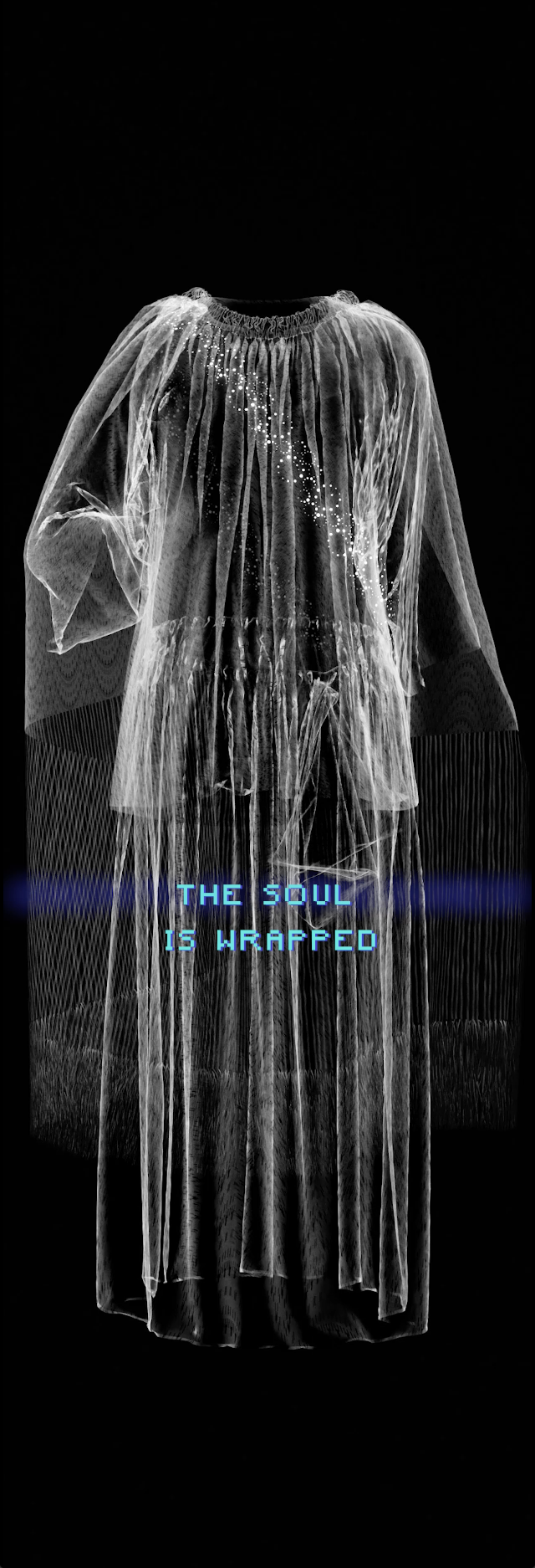
The imagery of the “chamber” runs through the exhibition. Examples include the fireplace, a core symbol for reproduction and memory, the almost derelict giant tunnel, and the camera obscura of the film projector, all presented in the two-channel video Cavity of Memory. And as well in this space, the mountainous areas, imagined as the human body, river, ridge, valley, correspond to individual components of digestive chambers. Multiple invisible paths flow within; they are the geographic grids for movement, they are also the “navigated” route for the soul, offered by the priest while cognitively perceiving the outer space and time. The paths constitute the infrastructure for grief.
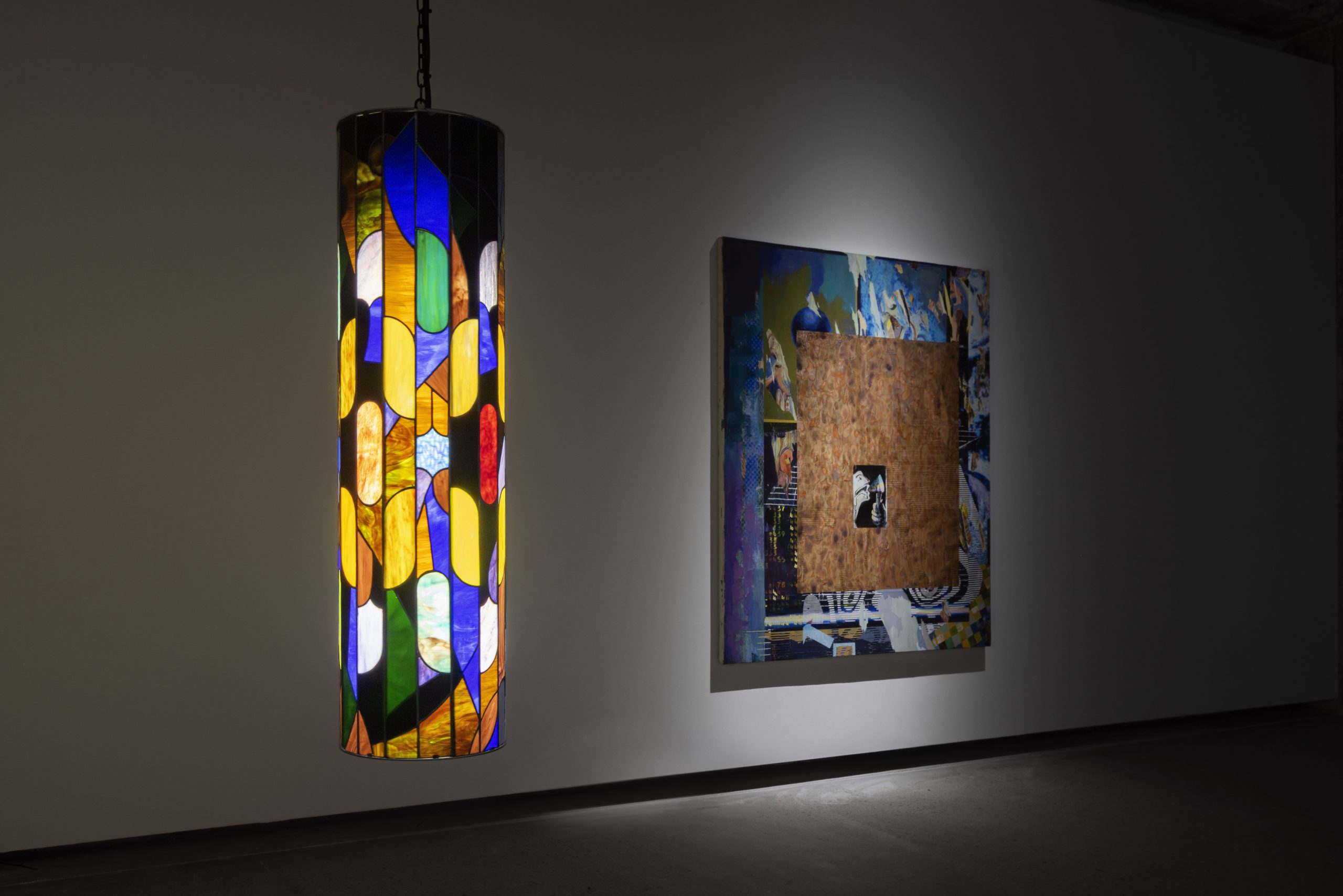
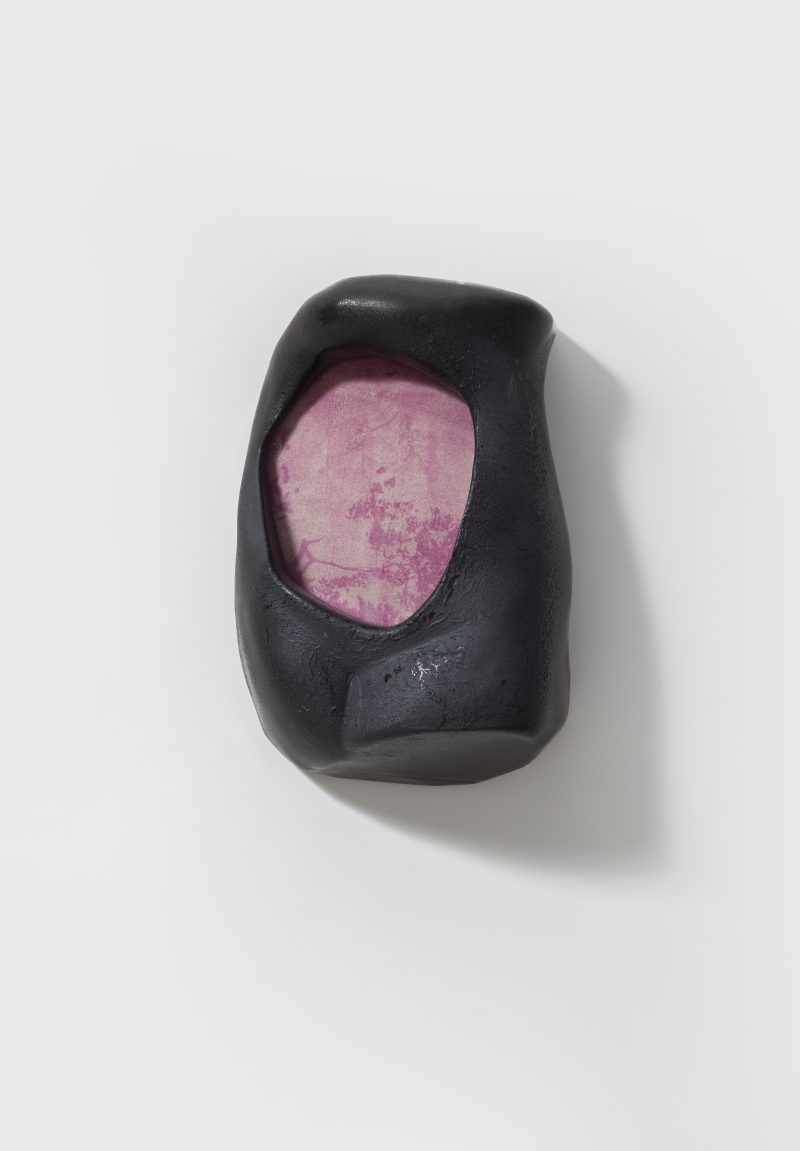
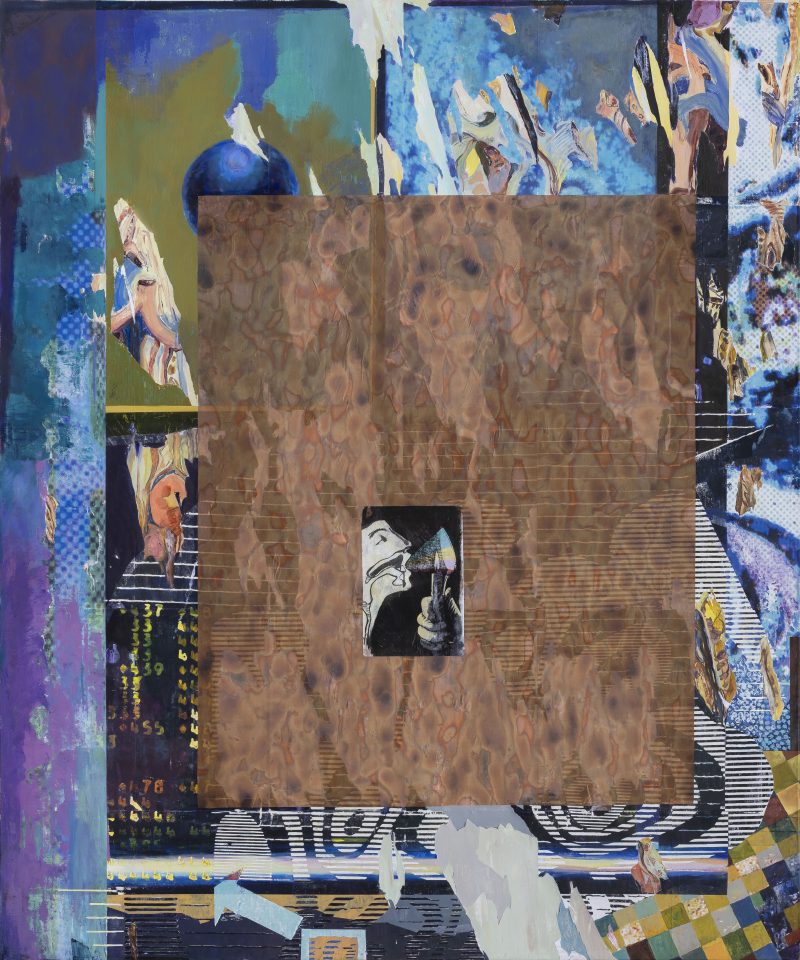
Alternative cinematic expressions and ways of imaging have long been a consideration for HU Wei. He frequently revisits the practices of early avant-garde artists, who abandoned screens and cameras and turned instead to collage and objects for expressing film concepts. In the paintings in the exhibition, drawing on the collage technique as early avant-garde filmmakers did, the artist seeks to incorporate his own walking map and key anchors, combining them with images of the chambers in the scientific slides of the mountain regions. He depicted an agape mouth to project beams of light onto a reflected surface of the spoon, positioned as a screen. The artist equates the mouth, rather than the eye, to a cinematic field, a space for the flow of images between the subjective and the objective, the intrinsic and the extrinsic spheres.
Each work in the exhibition has an opening, offering a passage to the corners neglected by the mainstream narrative. HU Wei constructed a continuum of chambers from microcosmic bodies to macrocosmic geography: the individual mouth chamber, animal bodies, the fireplace of the house, paths in between the mountains, all are “pathways”, varied in sizes but nestled inside each other. The pathways were supposed to keep the flow and circulation of energy, soul, and culture. Yet intruded upon by external powers and technologies, they have encountered obstruction; the voice of the mountains has been silenced. Ultimately, the exhibition points to a resisting gesture, “upright standing without its head,” responding to the statement made by philosopher George Bataille that “human beings should cease with their heads.” It’s definitely not about quitting thinking, but staying vigilant to being assimilated by rational centrism and a singular narrative embodied by the head. “Xeno-chamber” drives us to gaze at the obscured visions and reimagine the futures of the hovering and dissenting souls.
Installation Views

Artworks

News & Events

Press
ARC Review | Several Comparisons Related to Hu Wei’s Solo Exhibition “Different Tunes”
Text: Nan Xi, ArtReview China

Press
Hu Wei | Memories of the Divine Witch
Text: Lei Lai, Xiang Wai

Press
New Work | The Interface of the Mountains, the Black Box of Modernity – Hu Wei’s “Cavity of Memory”
Text: Wu Yiyao, Art-Ba-Ba