ZHANG Hua: Poetry of Owls
2026.07.04 - 2026.08.29
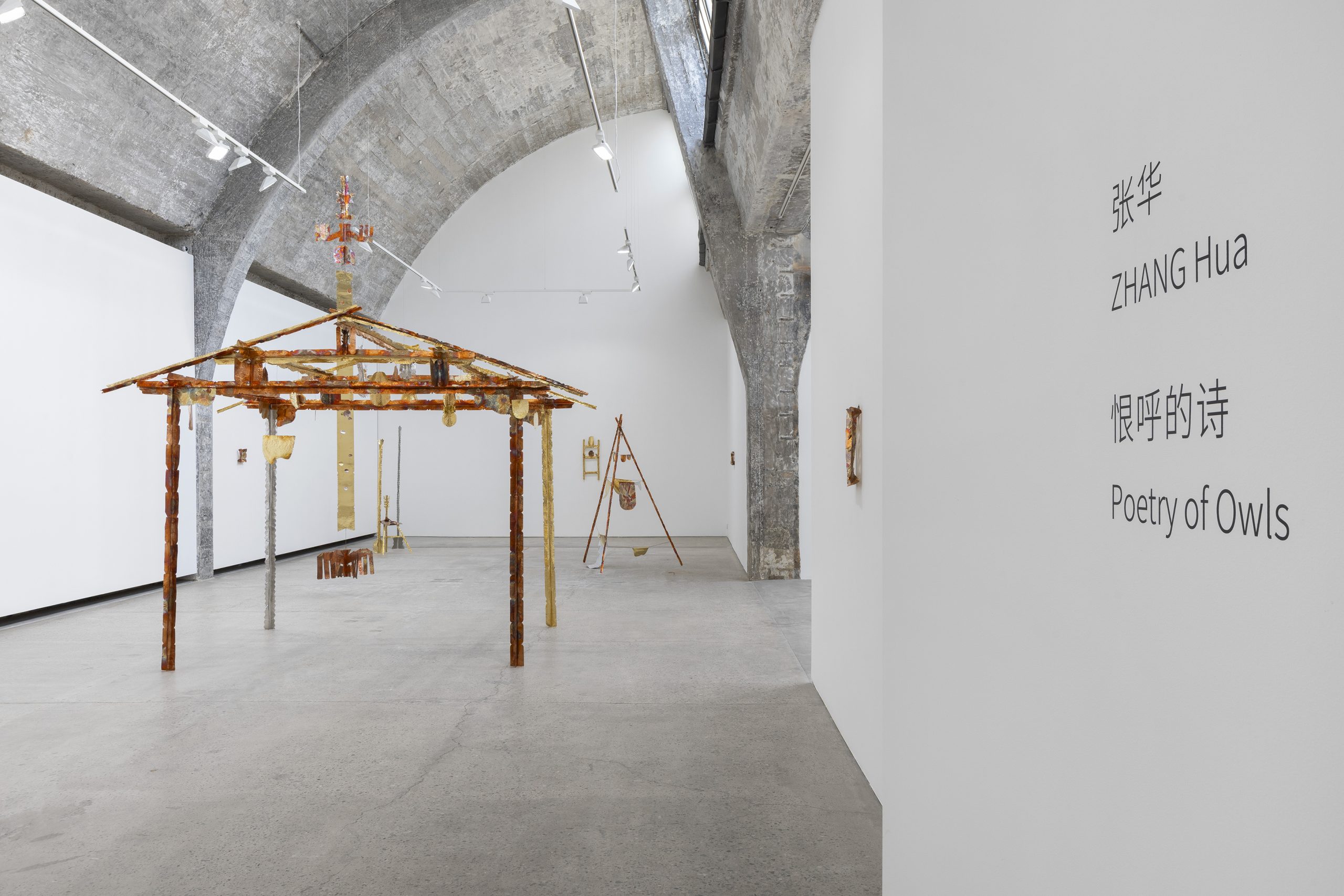
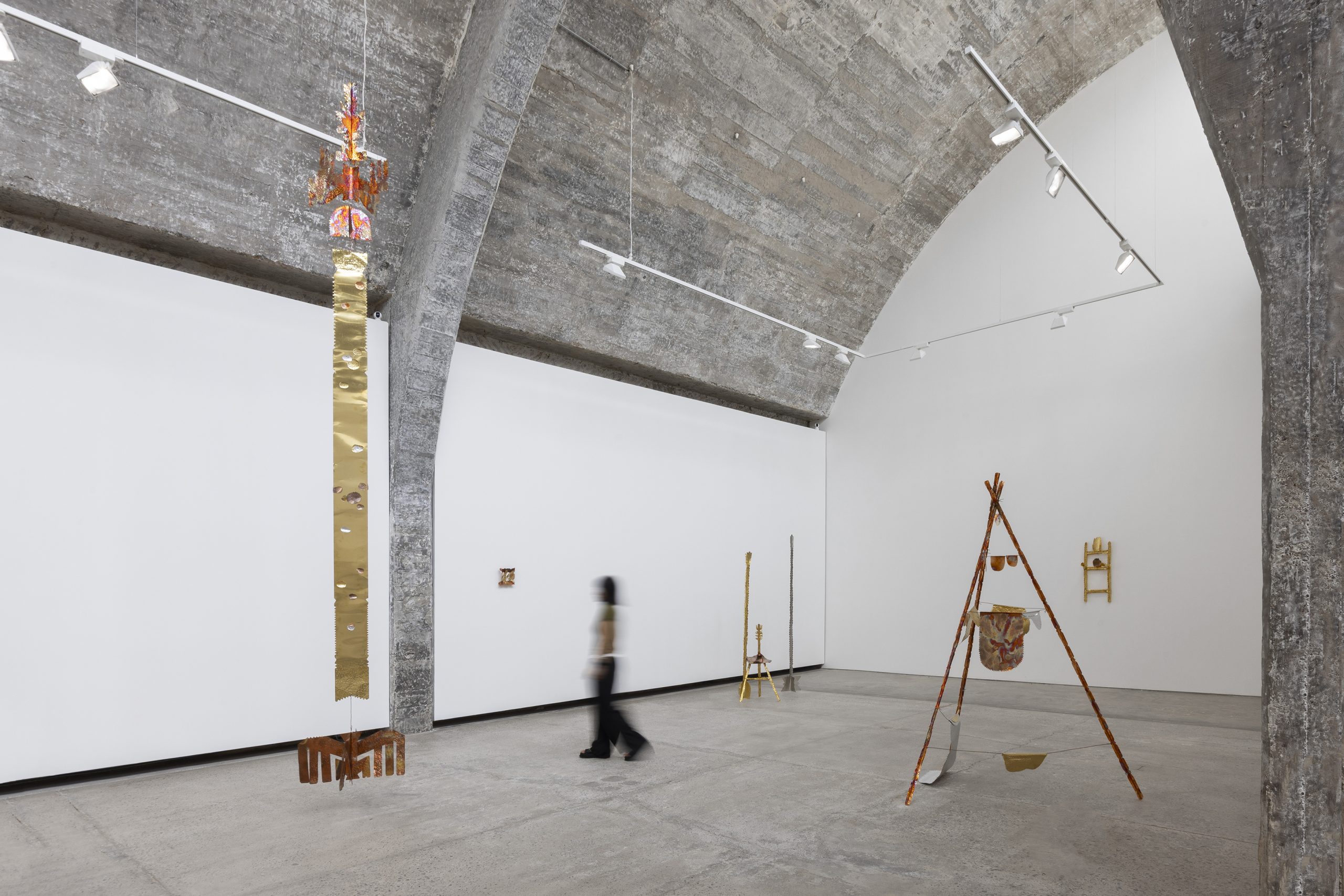
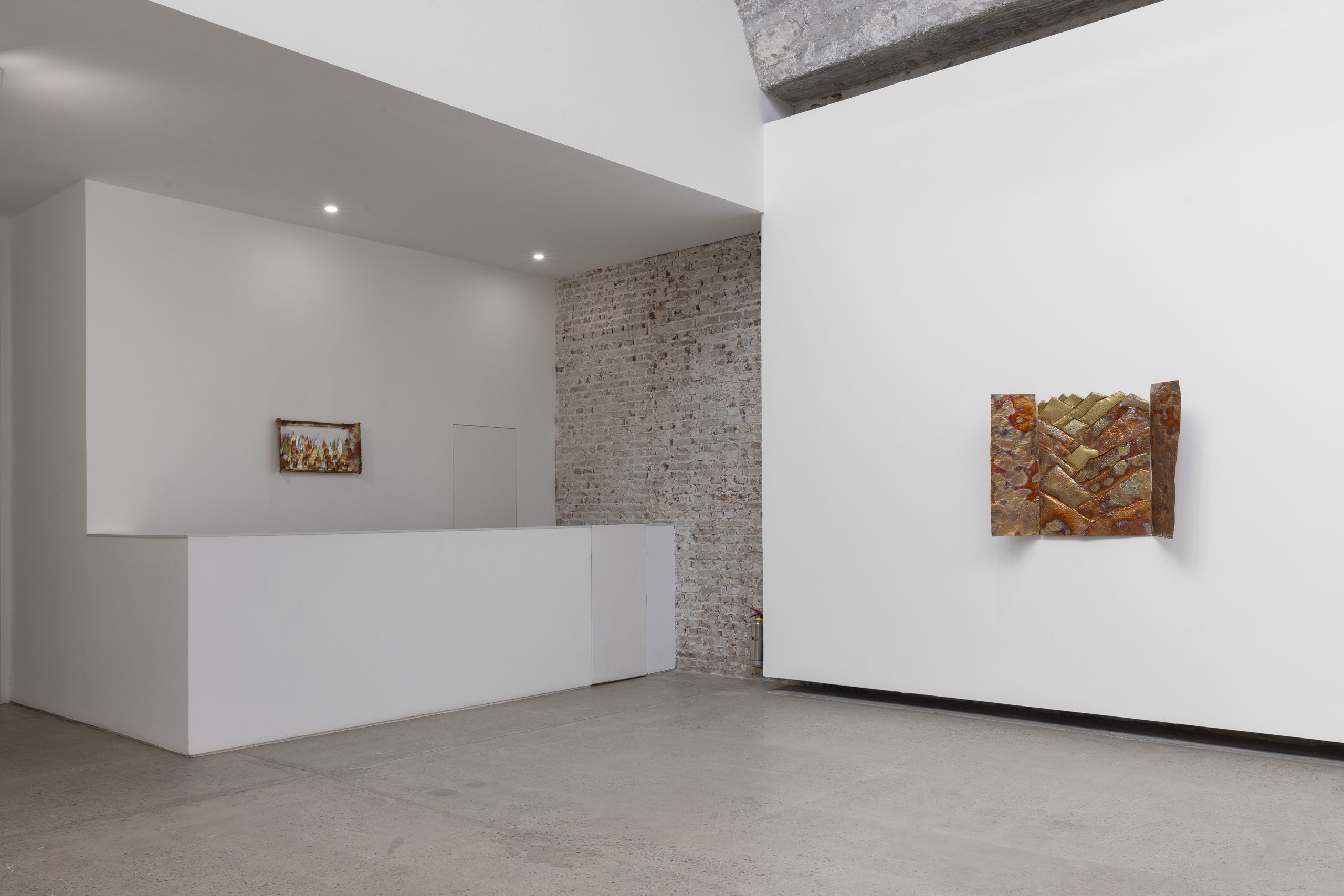
REFLEXION is pleased to present ZHANG Hua’s first solo exhibition at the gallery, Poetry of Owls, opening on July 4, 2026, and featuring his latest installation works.
Dusk is not a fixed hour of the day. It is more like a slow-motion metamorphosis – when light begins to withdraw and things lose their sharp contours, the world briefly enters a state of suspension, poised between what was and what is yet to come. In parts of Yunnan, the owl is called “henhu” – a creature that always appears at the threshold of day and night, as if naturally inhabiting the borderland itself. It straddles darkness and light, at once a flesh-and-blood animal and a messenger in myth and legend.
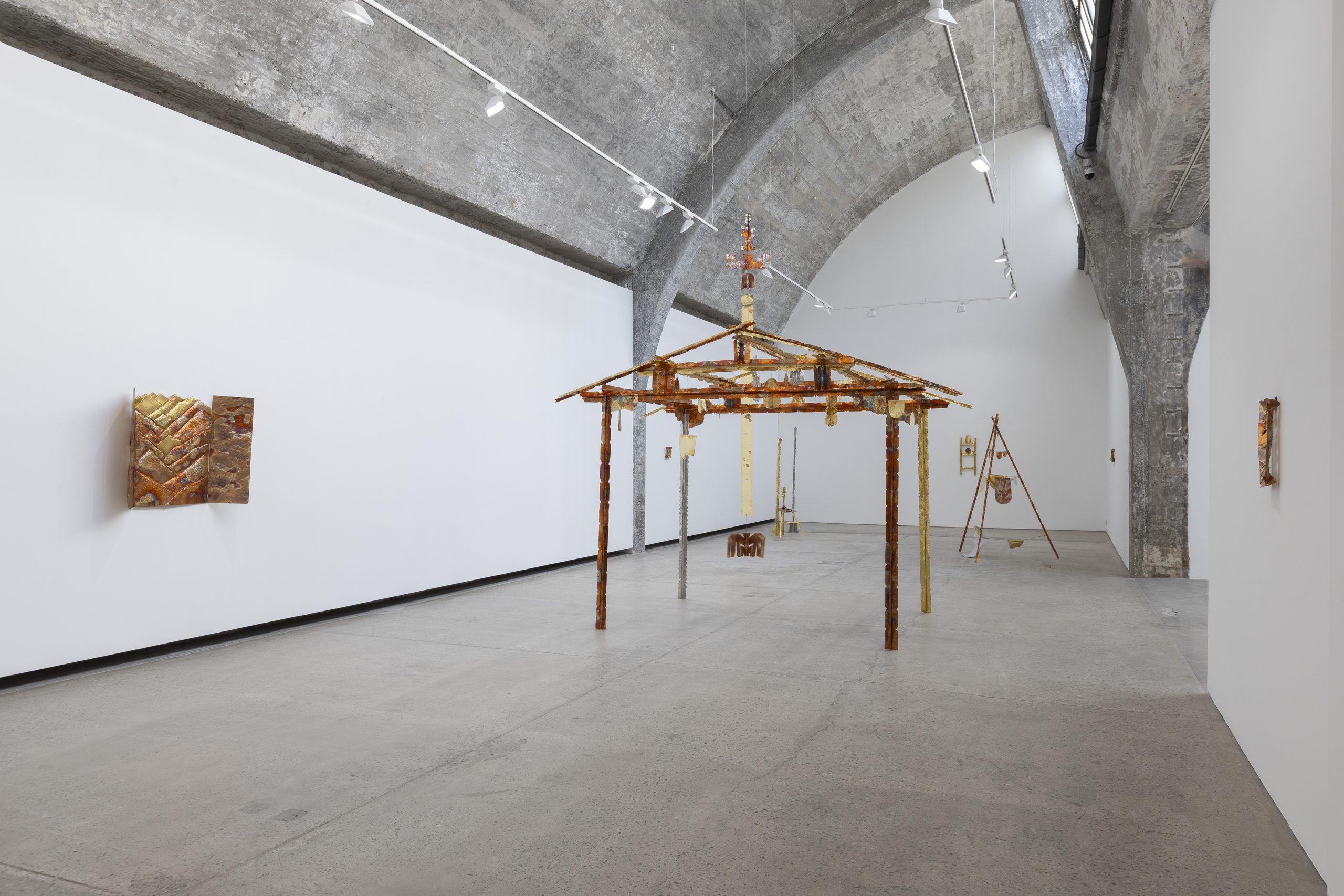
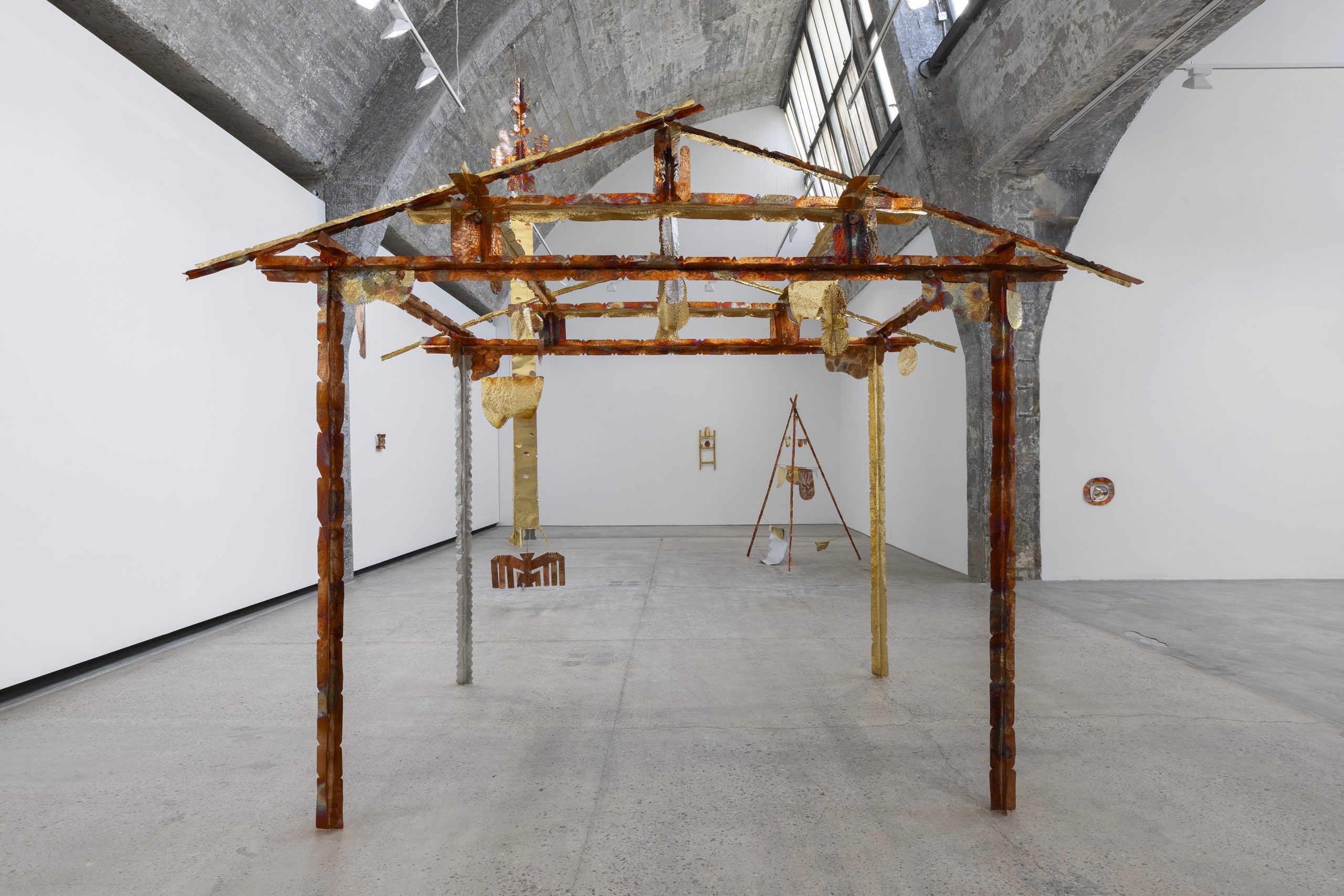
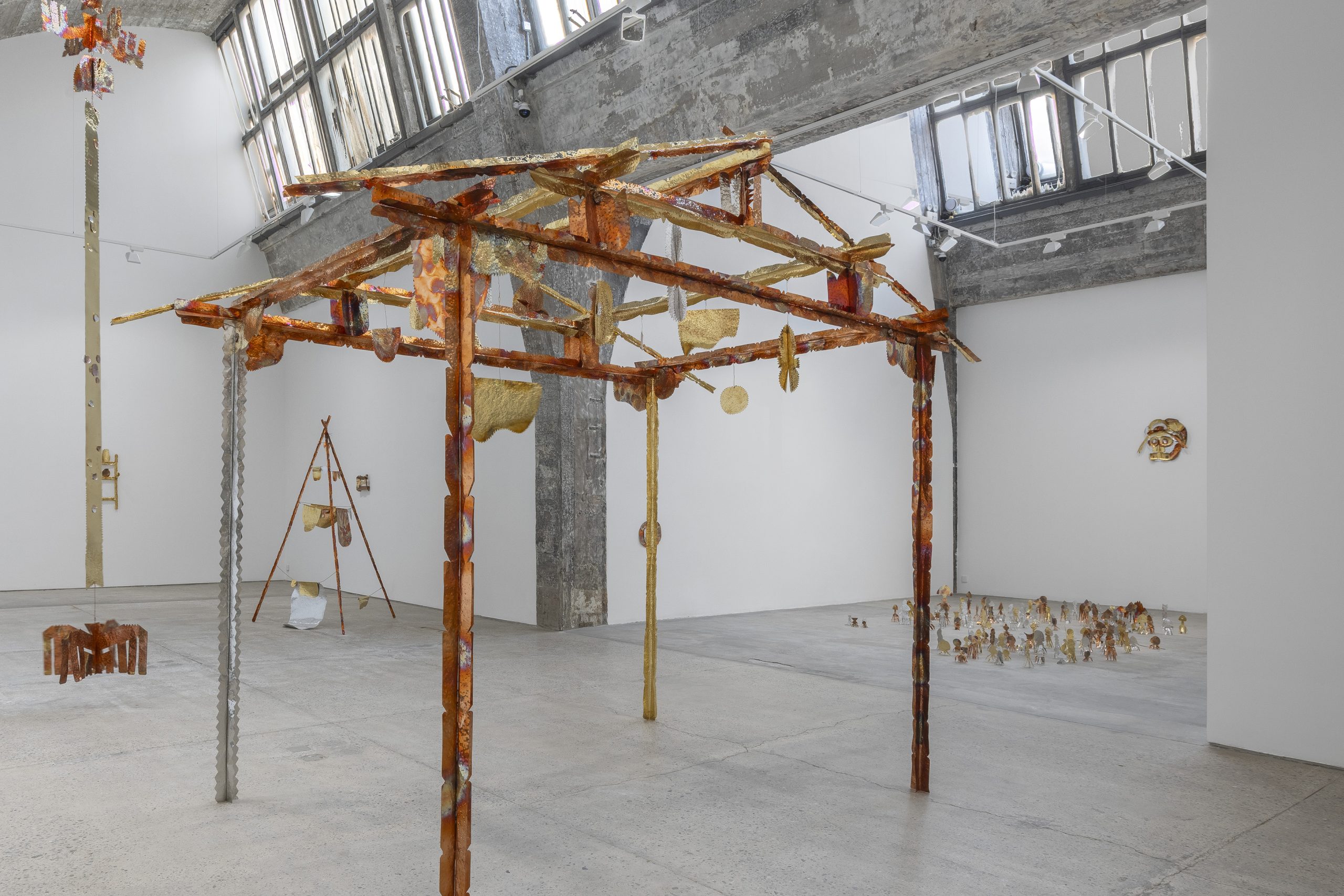
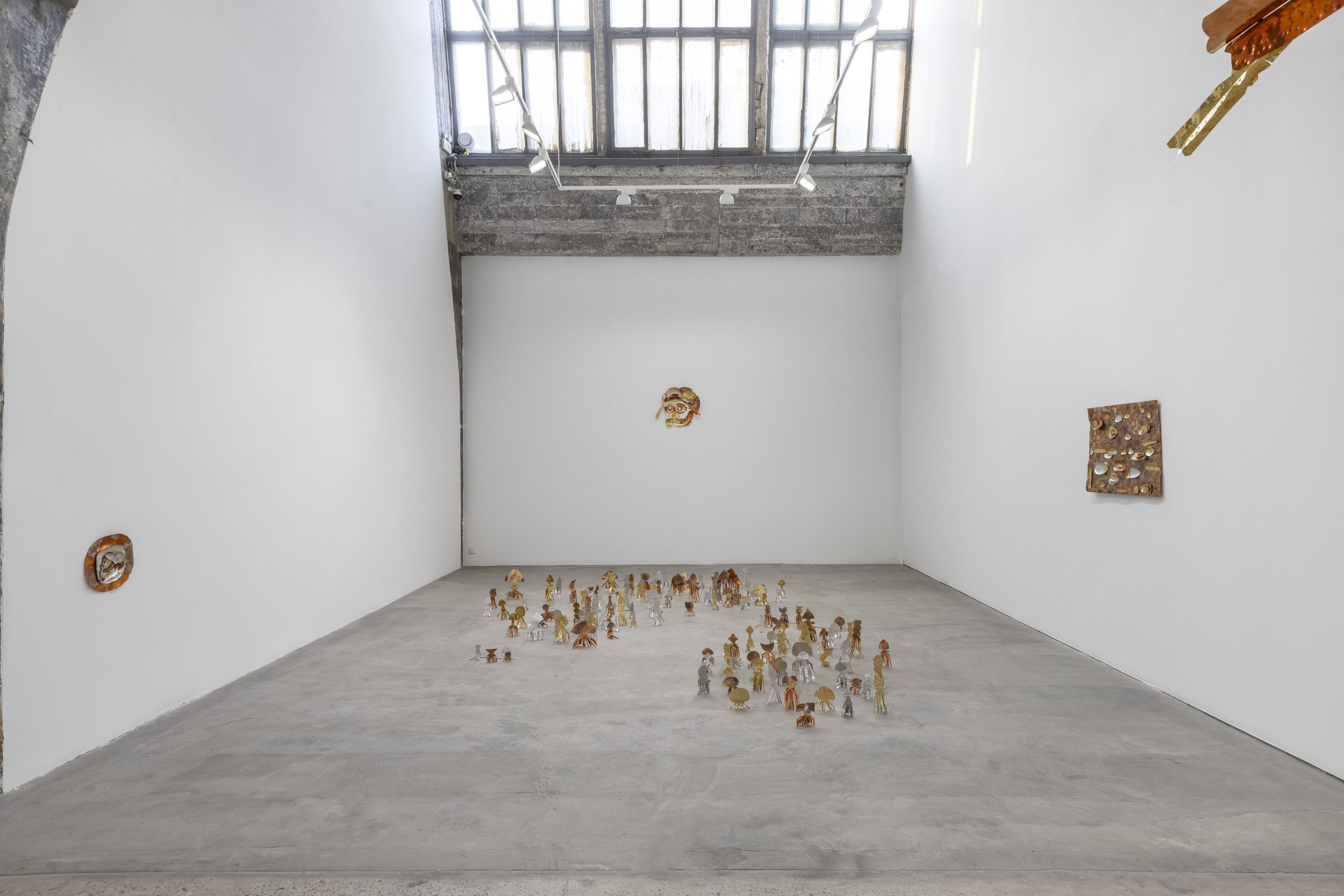
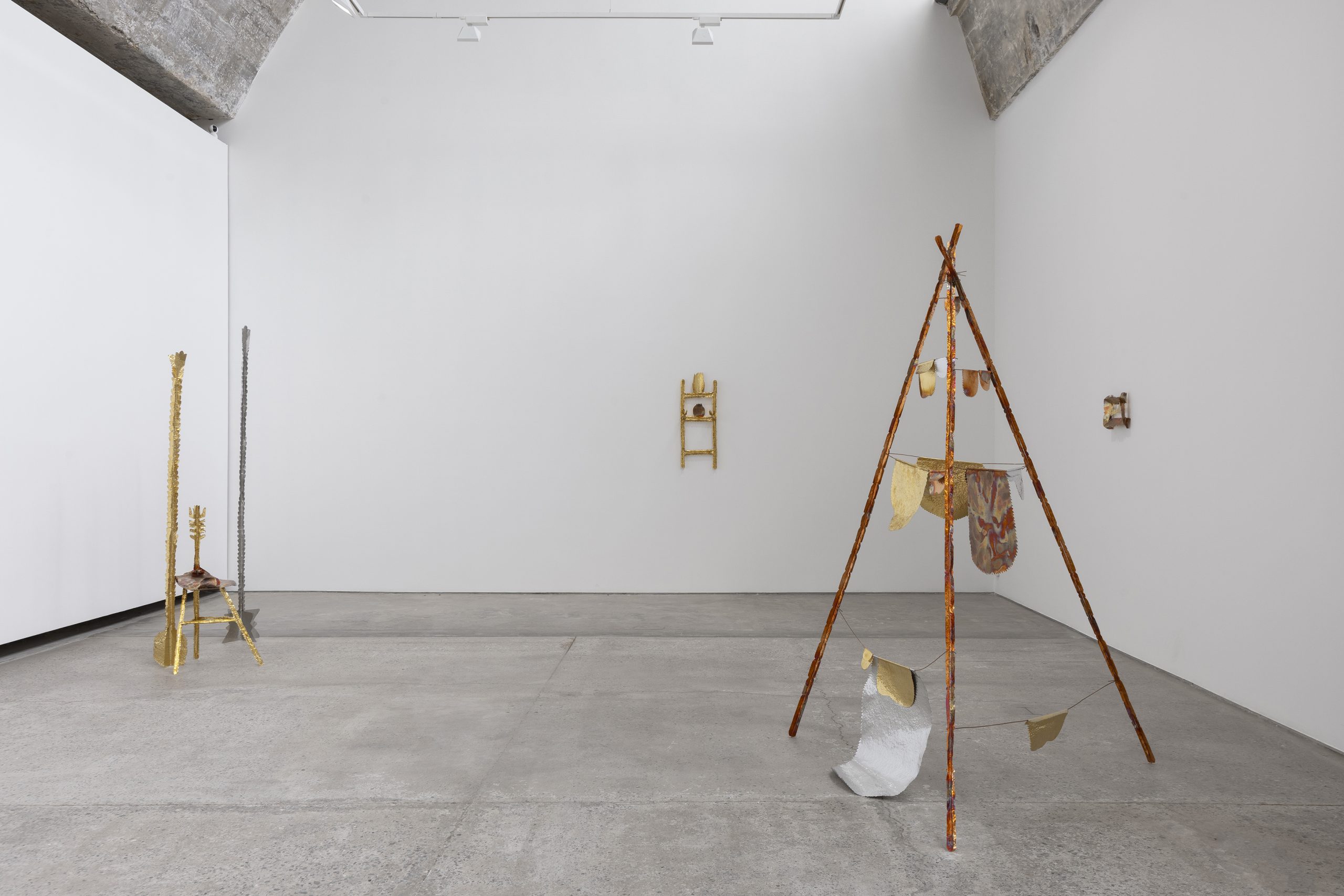
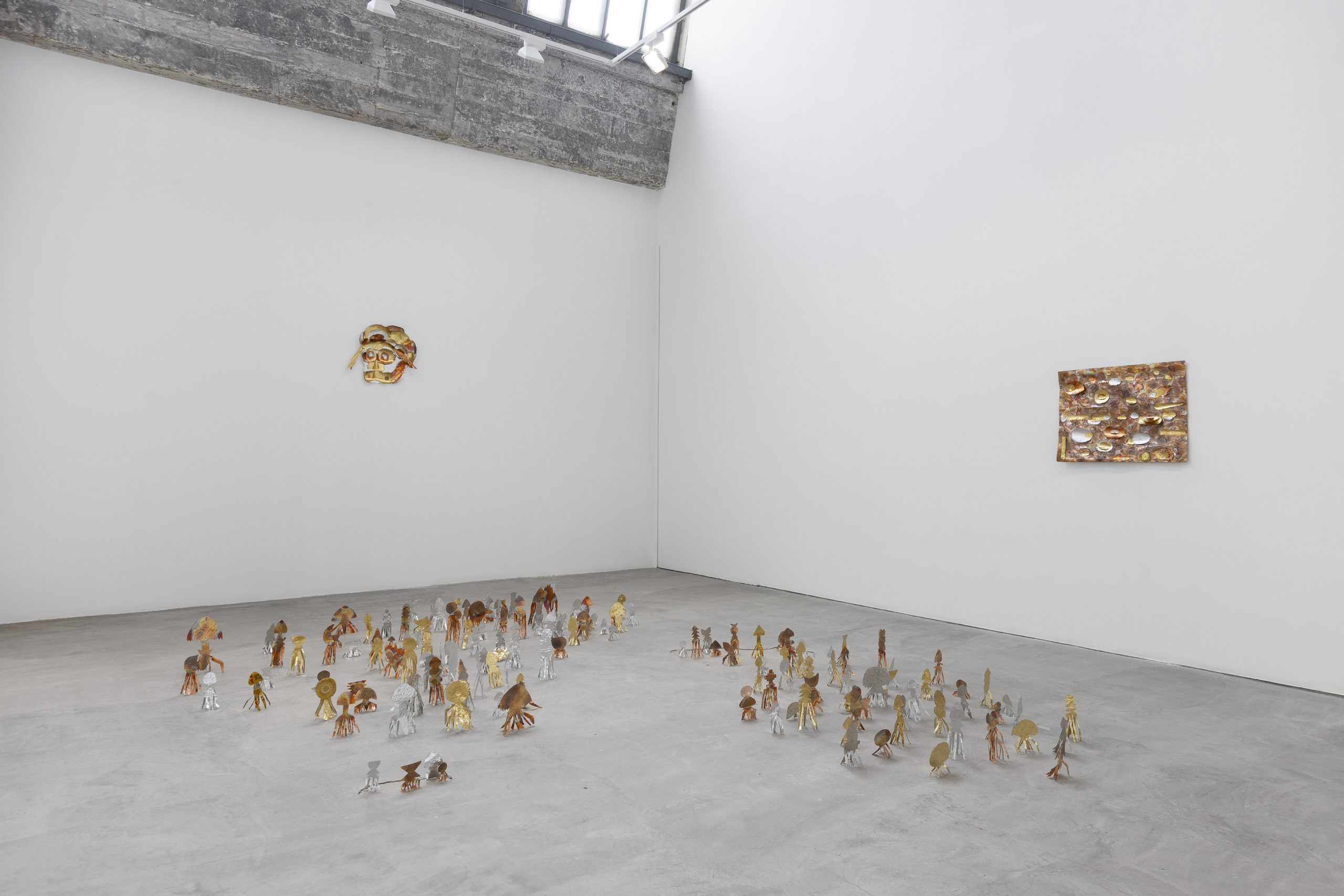
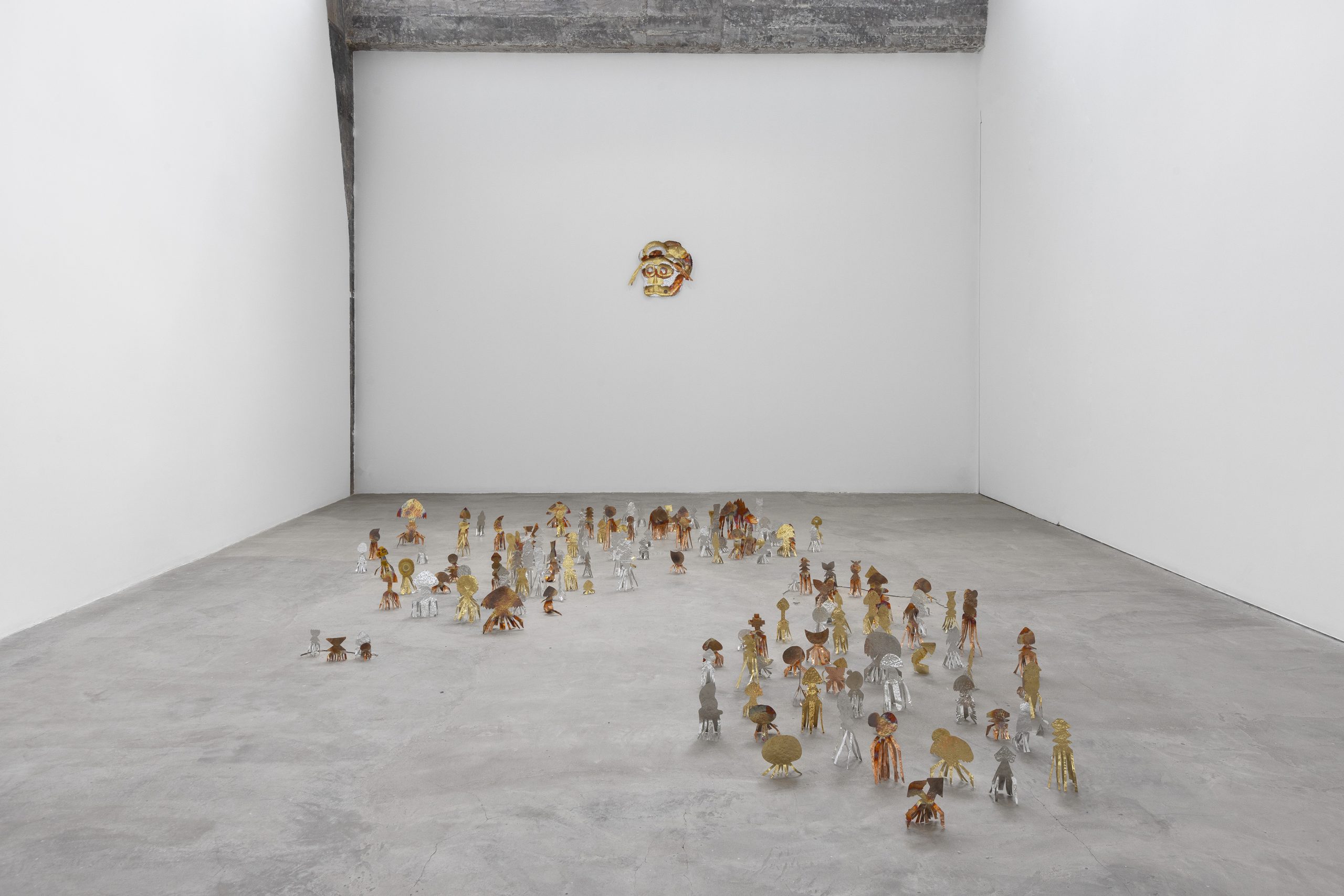
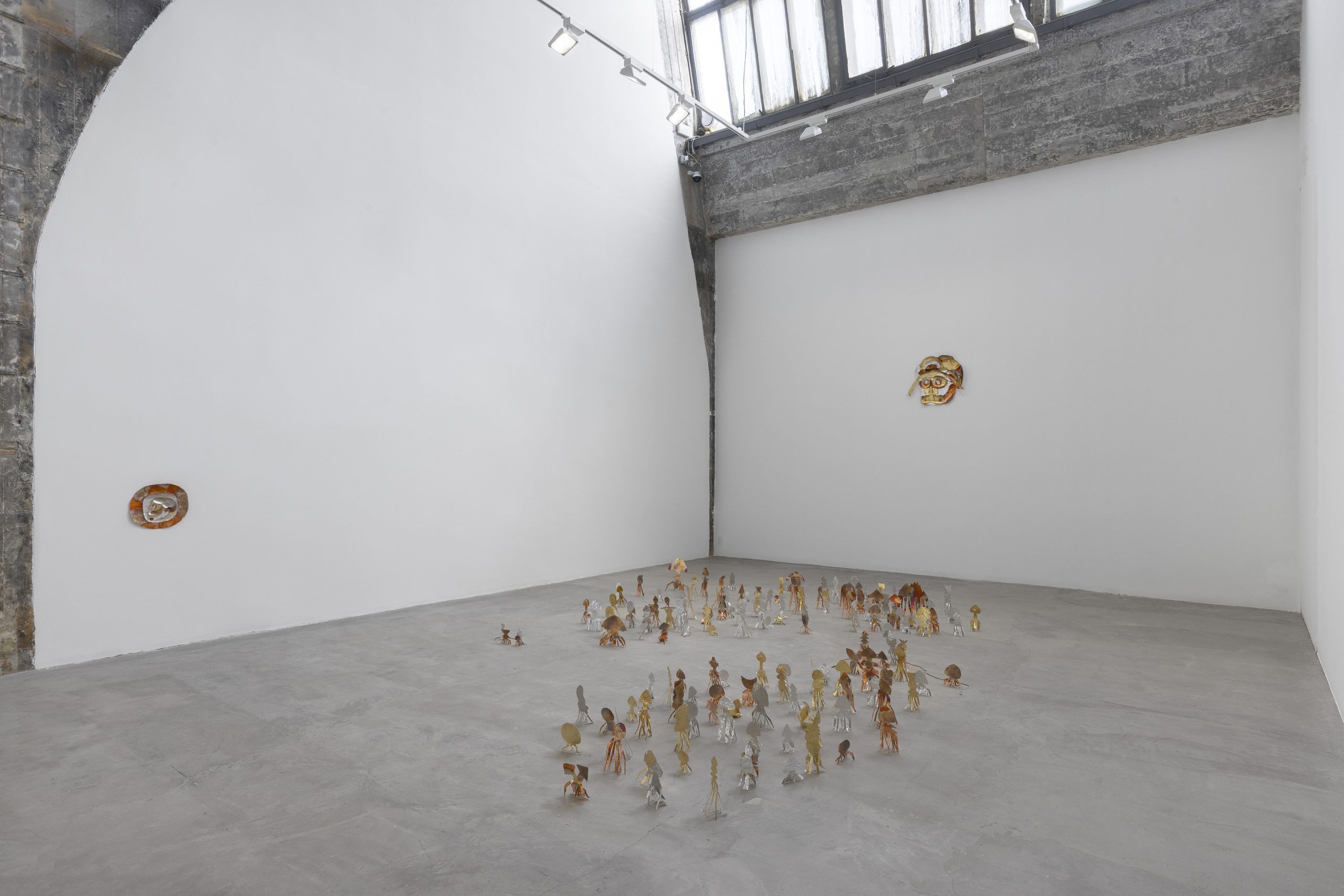
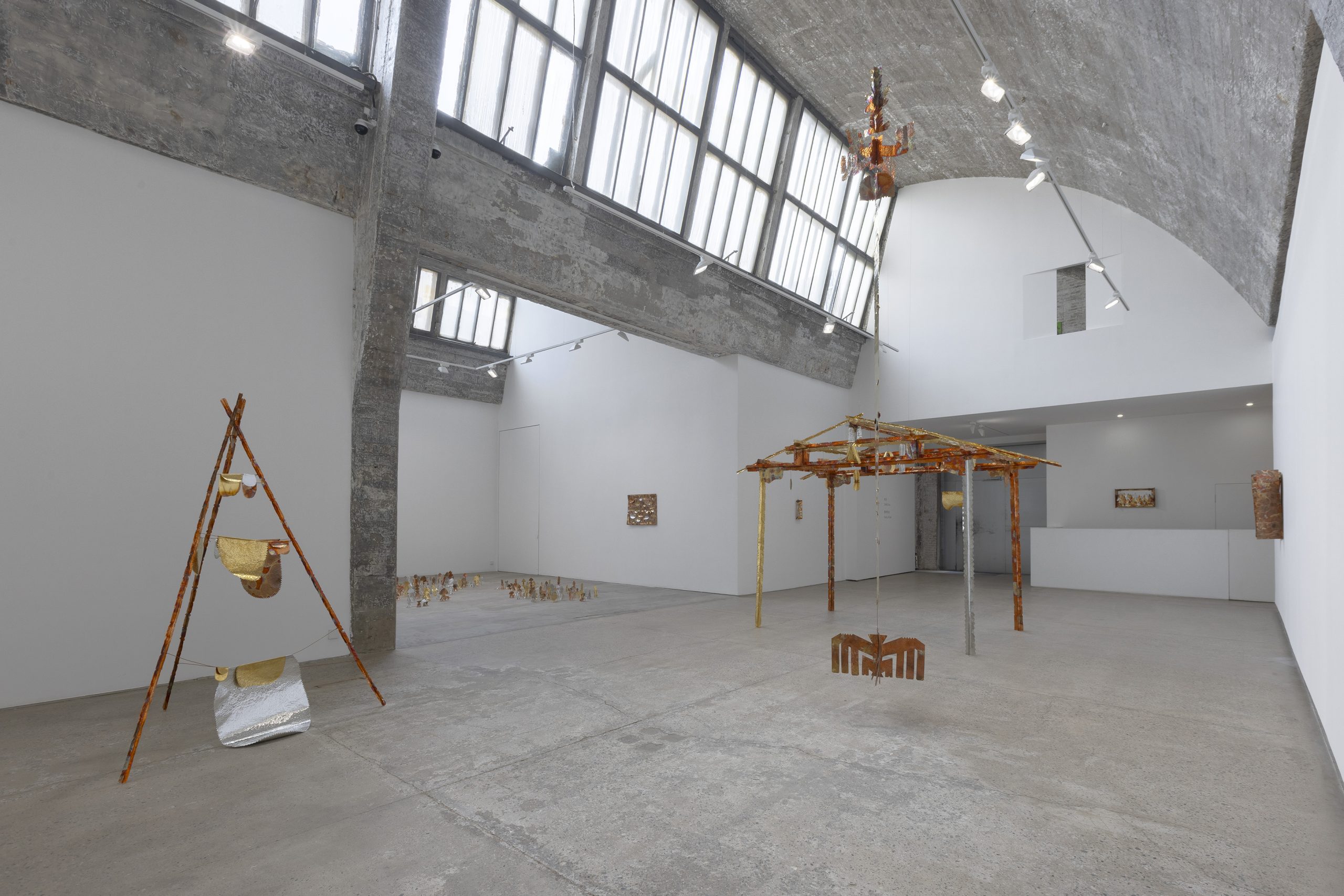
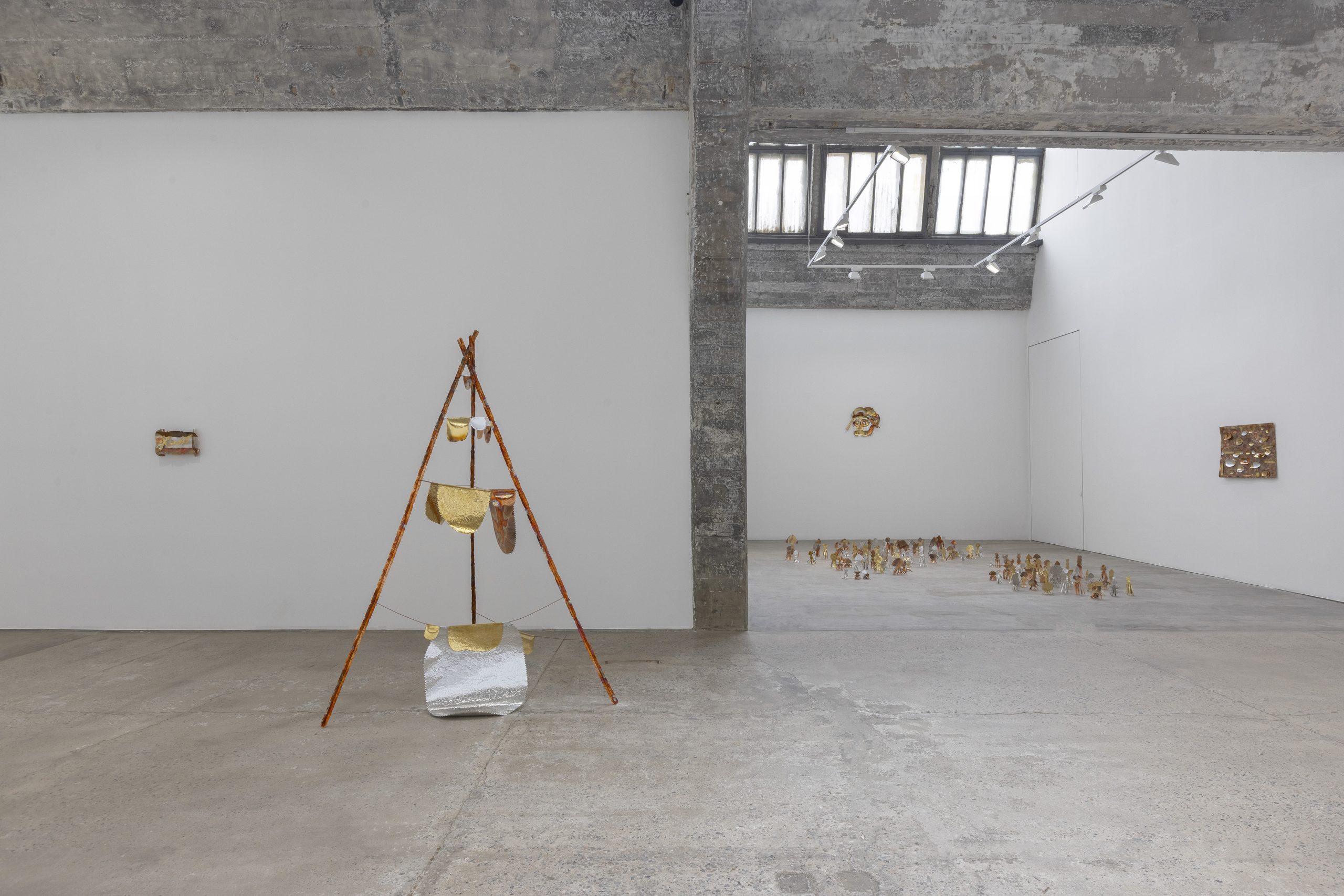
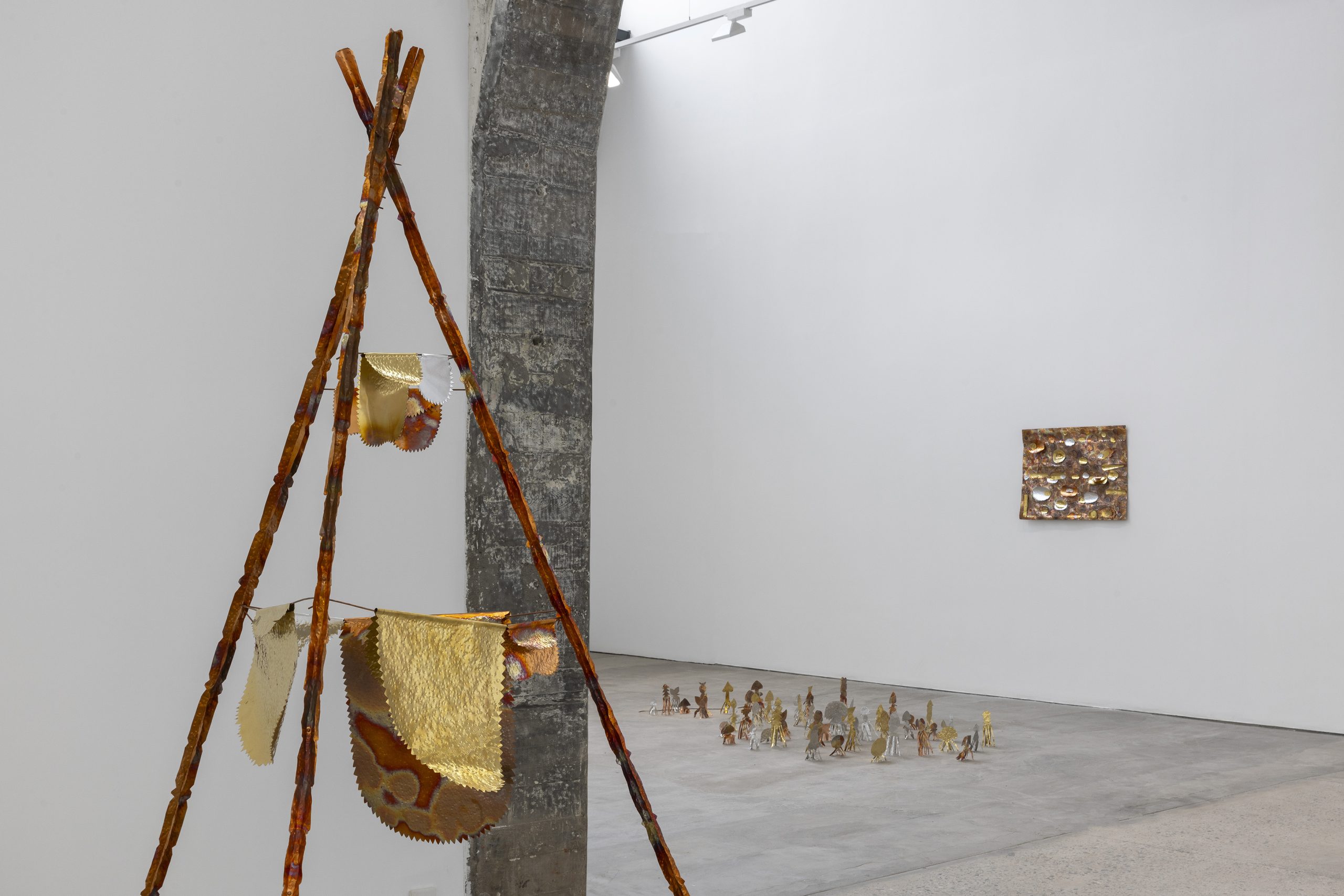
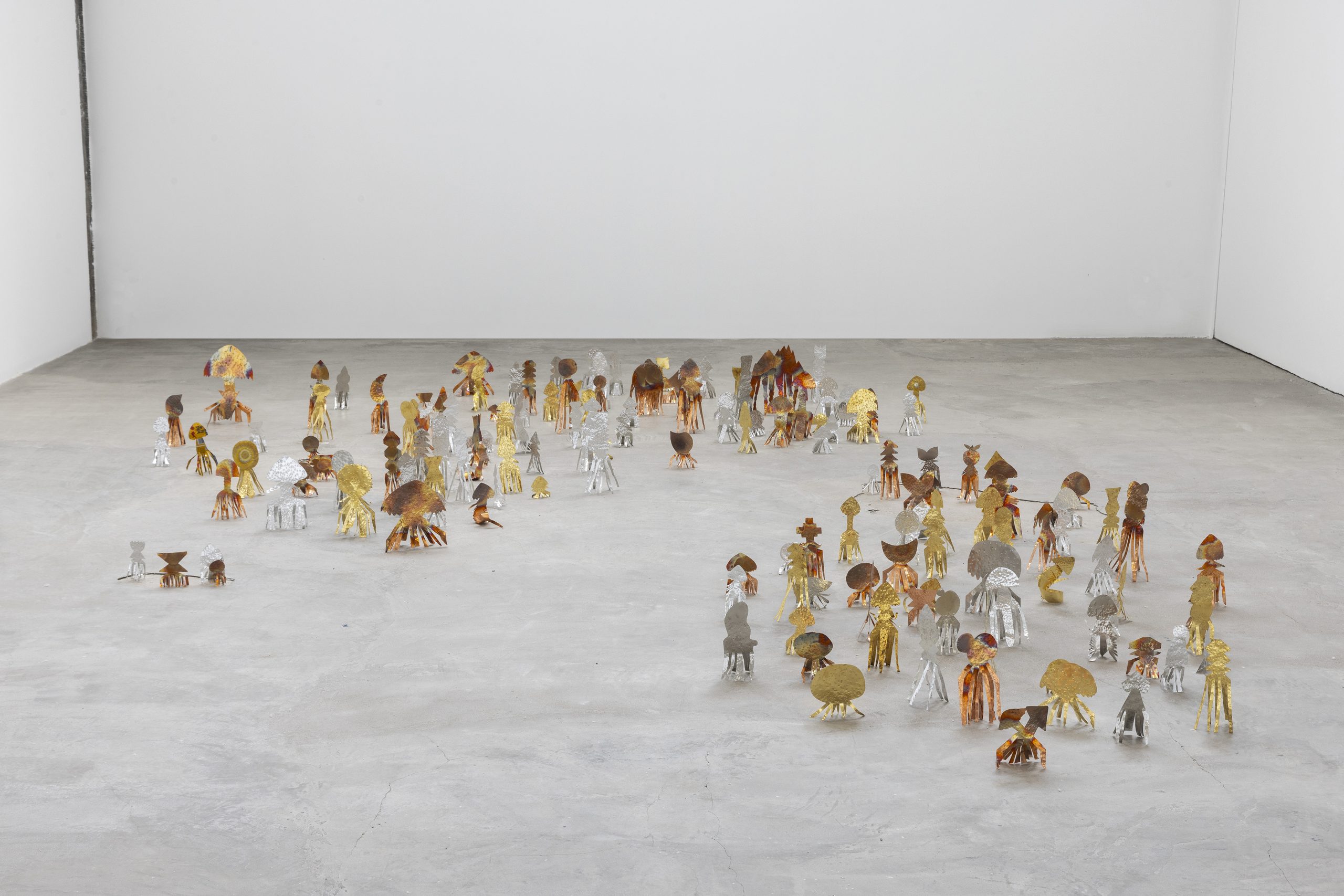
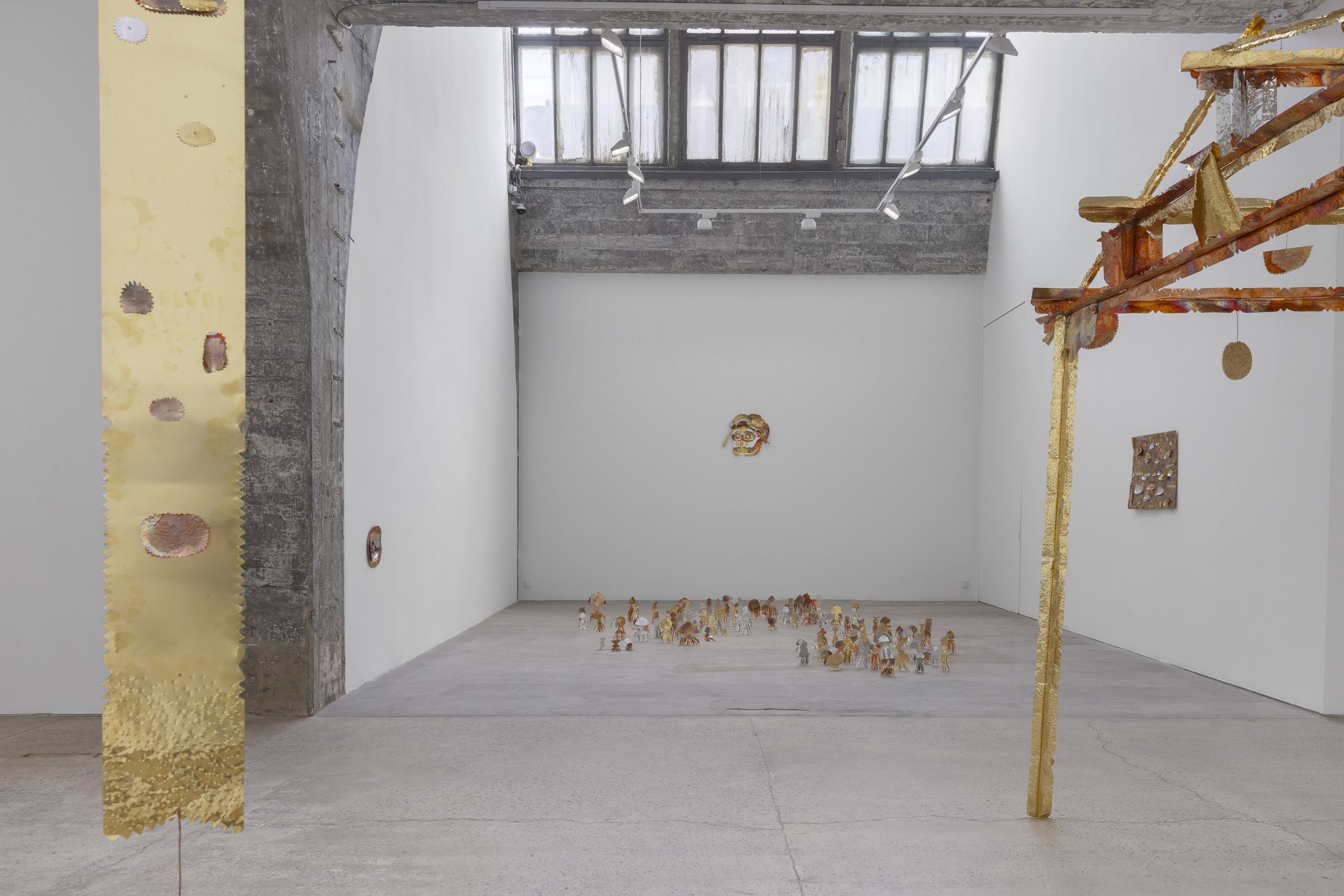
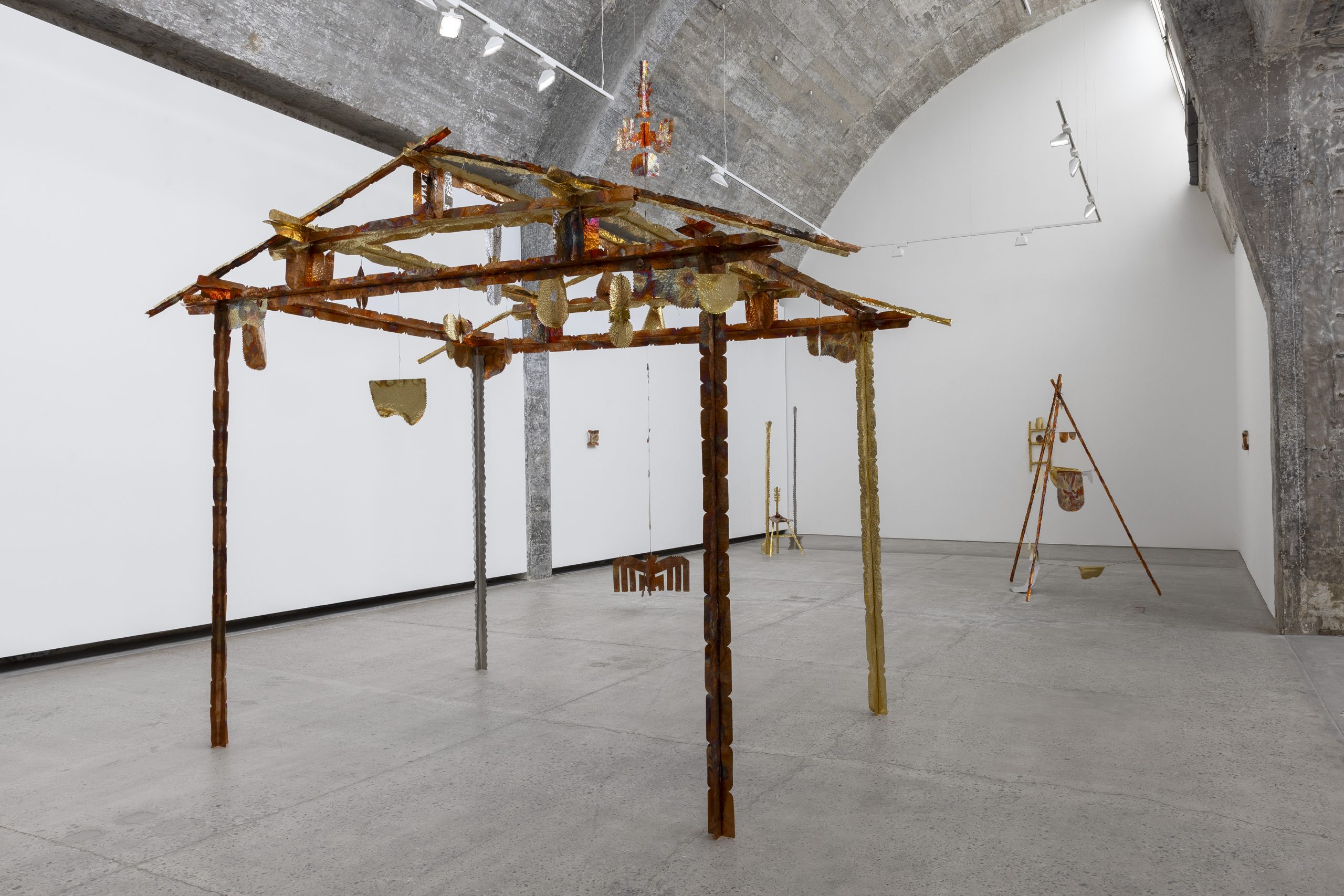
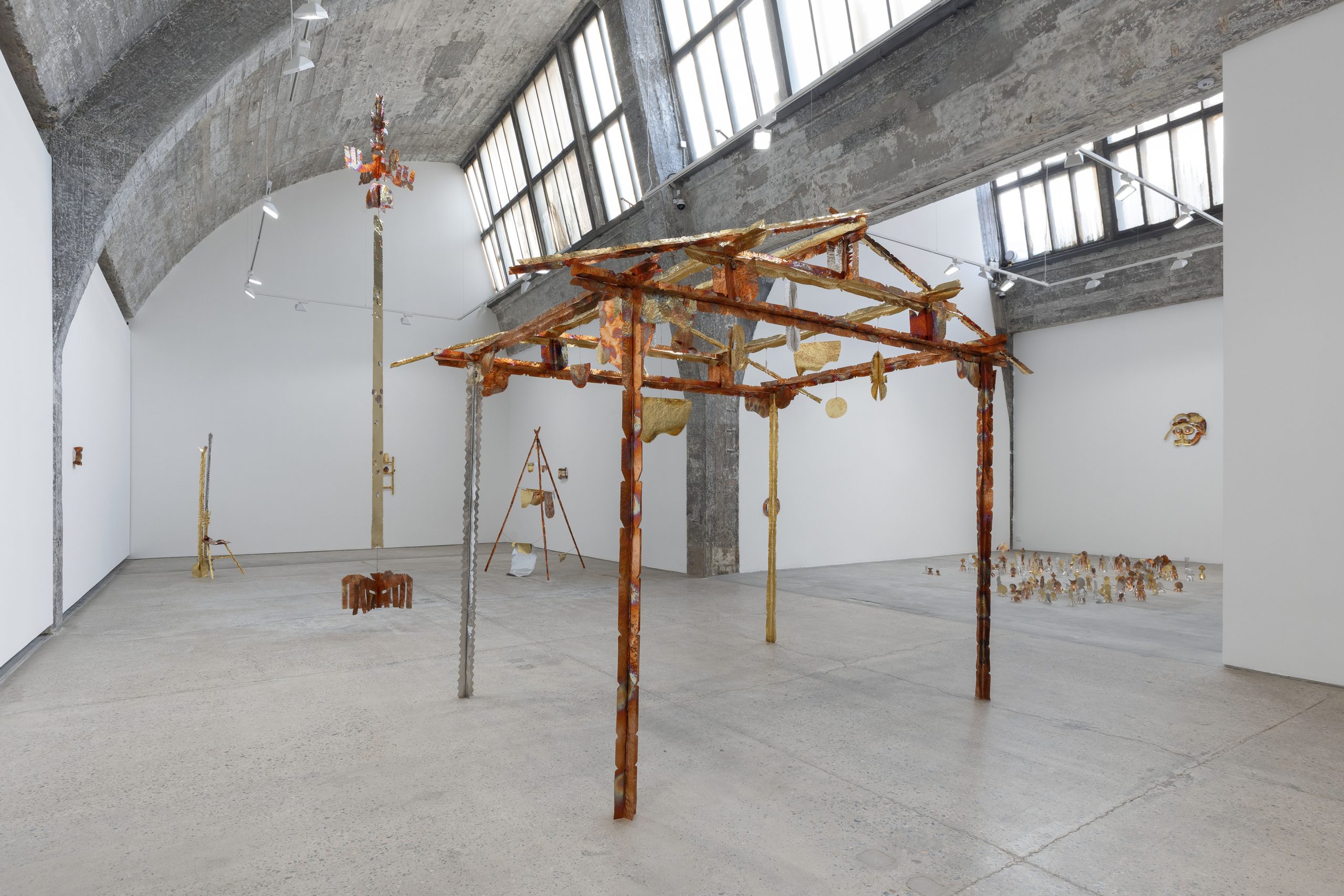
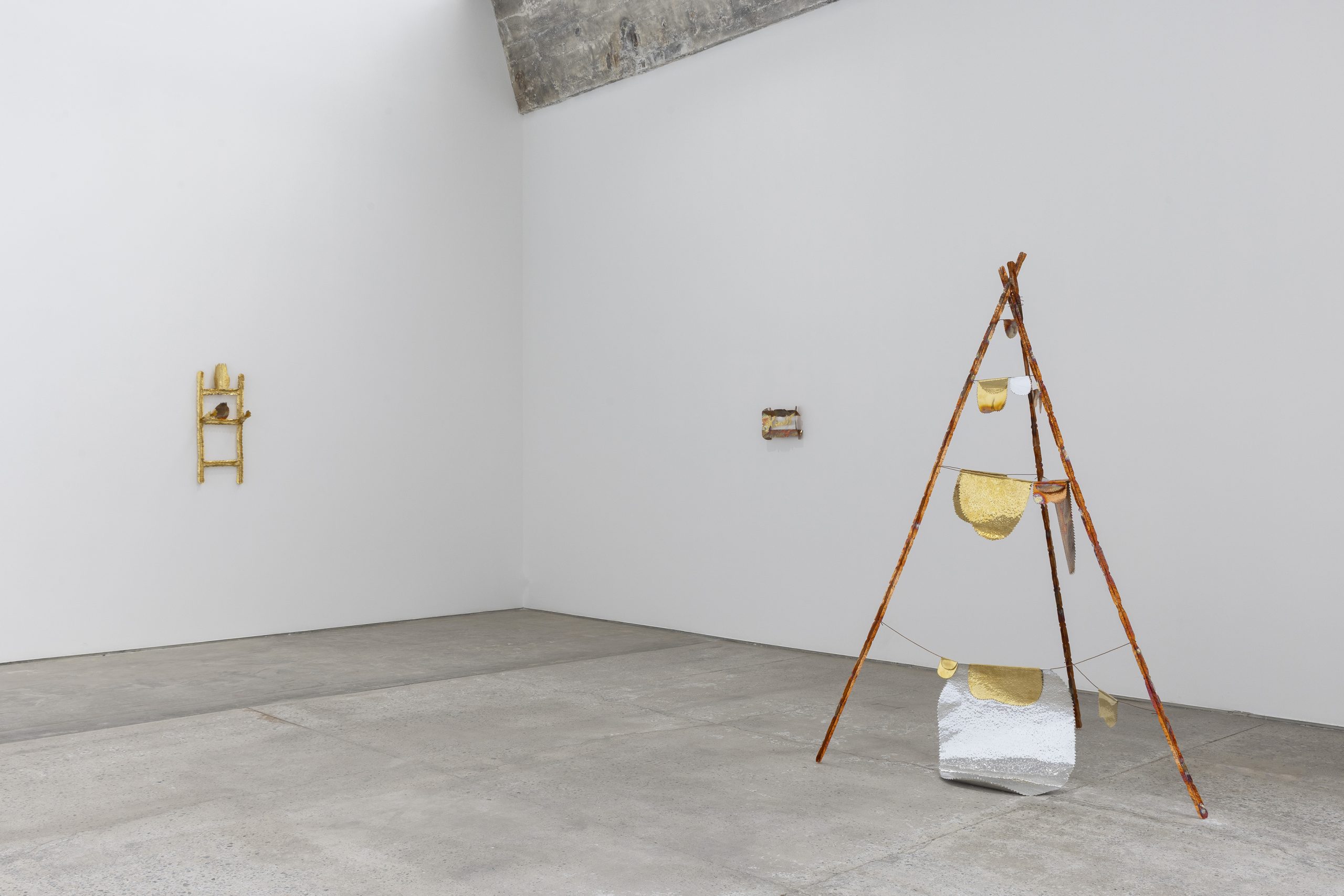
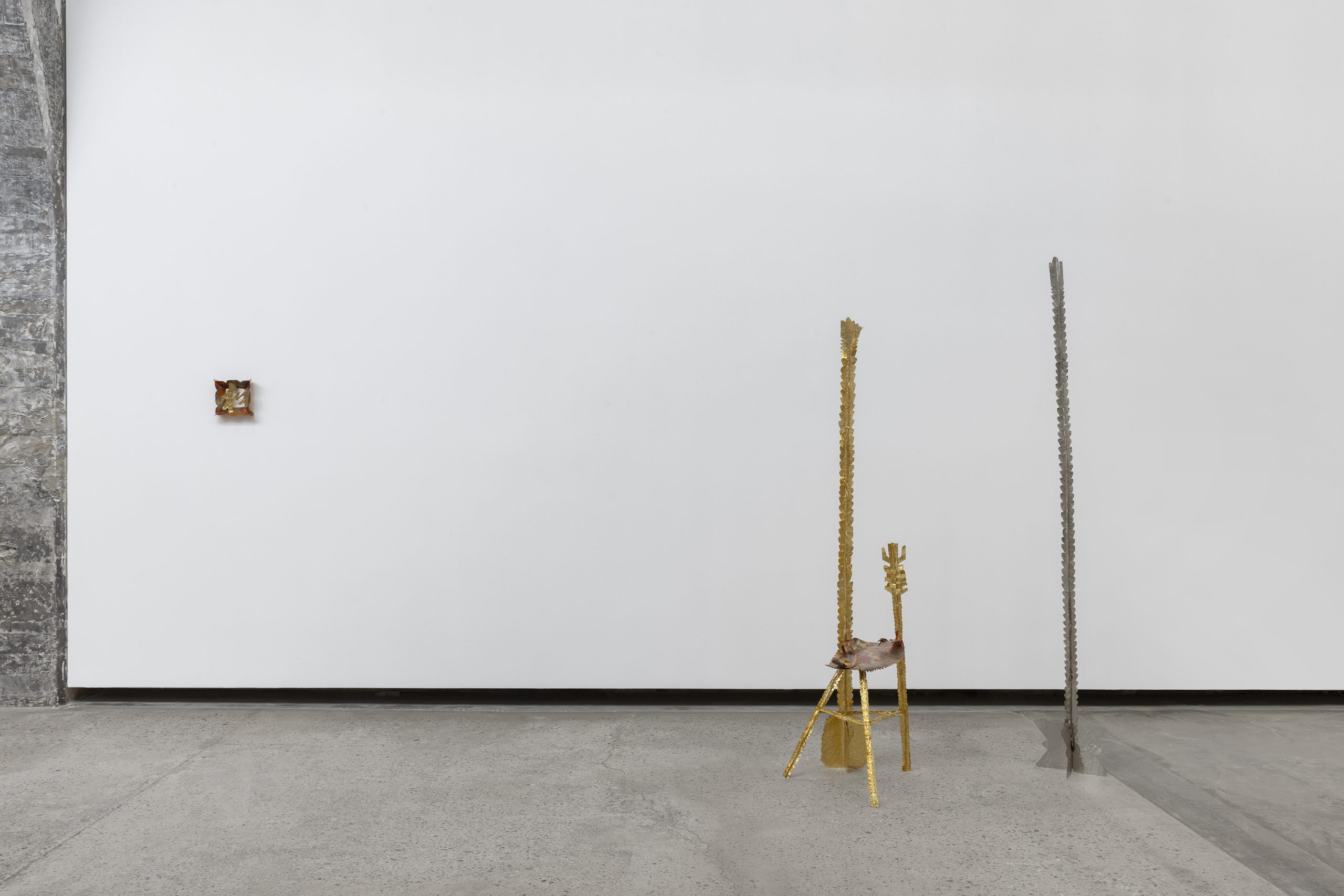
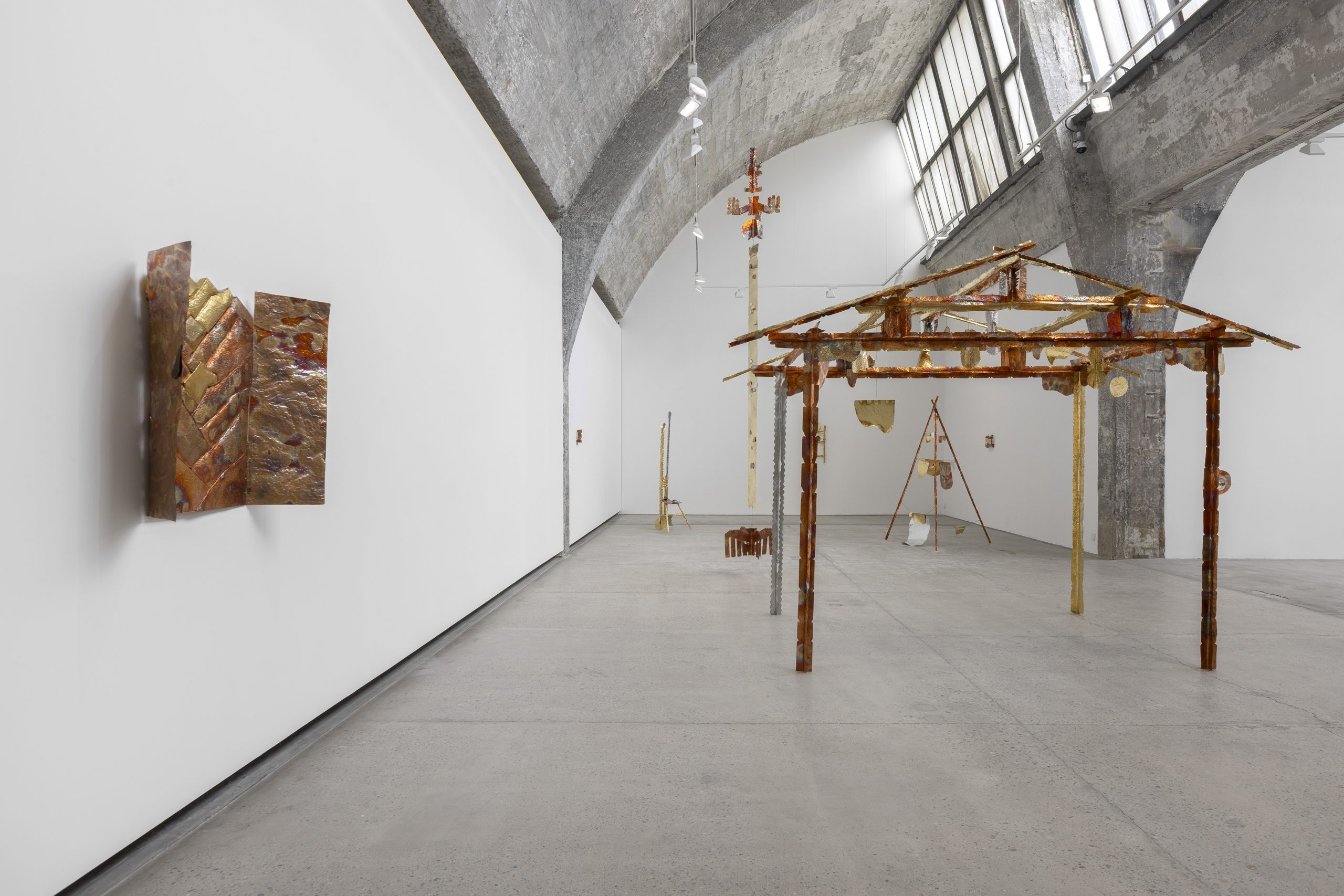
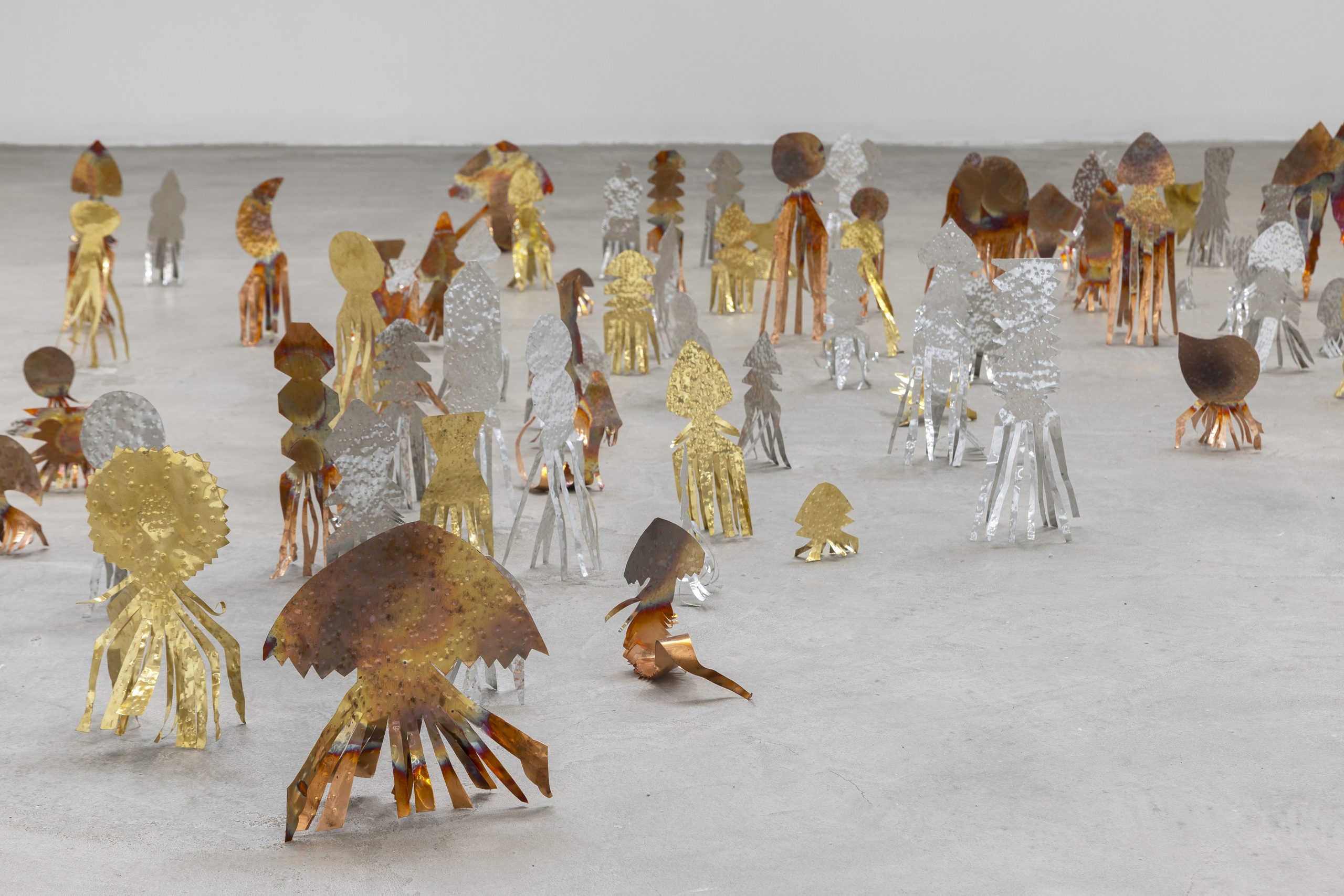
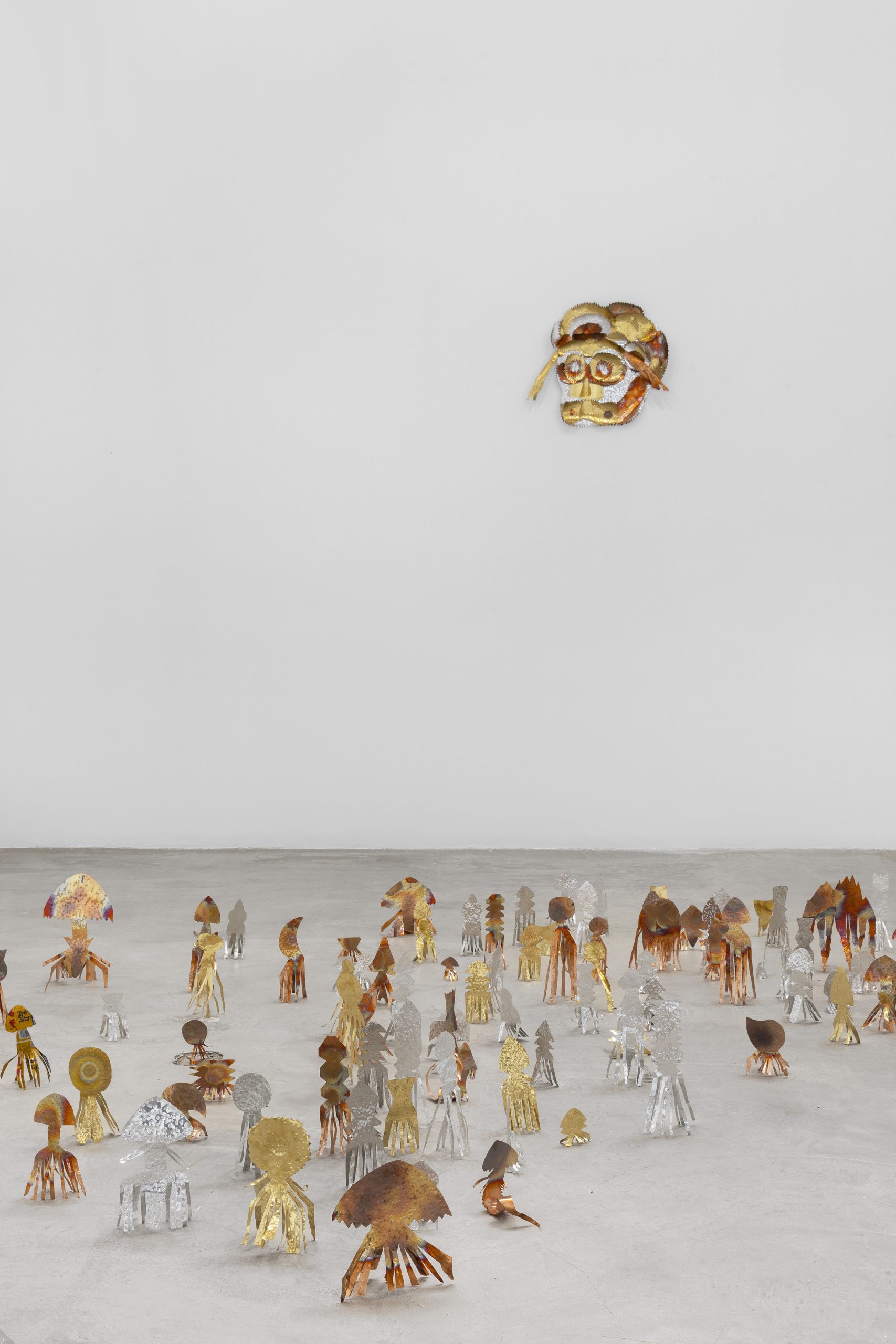
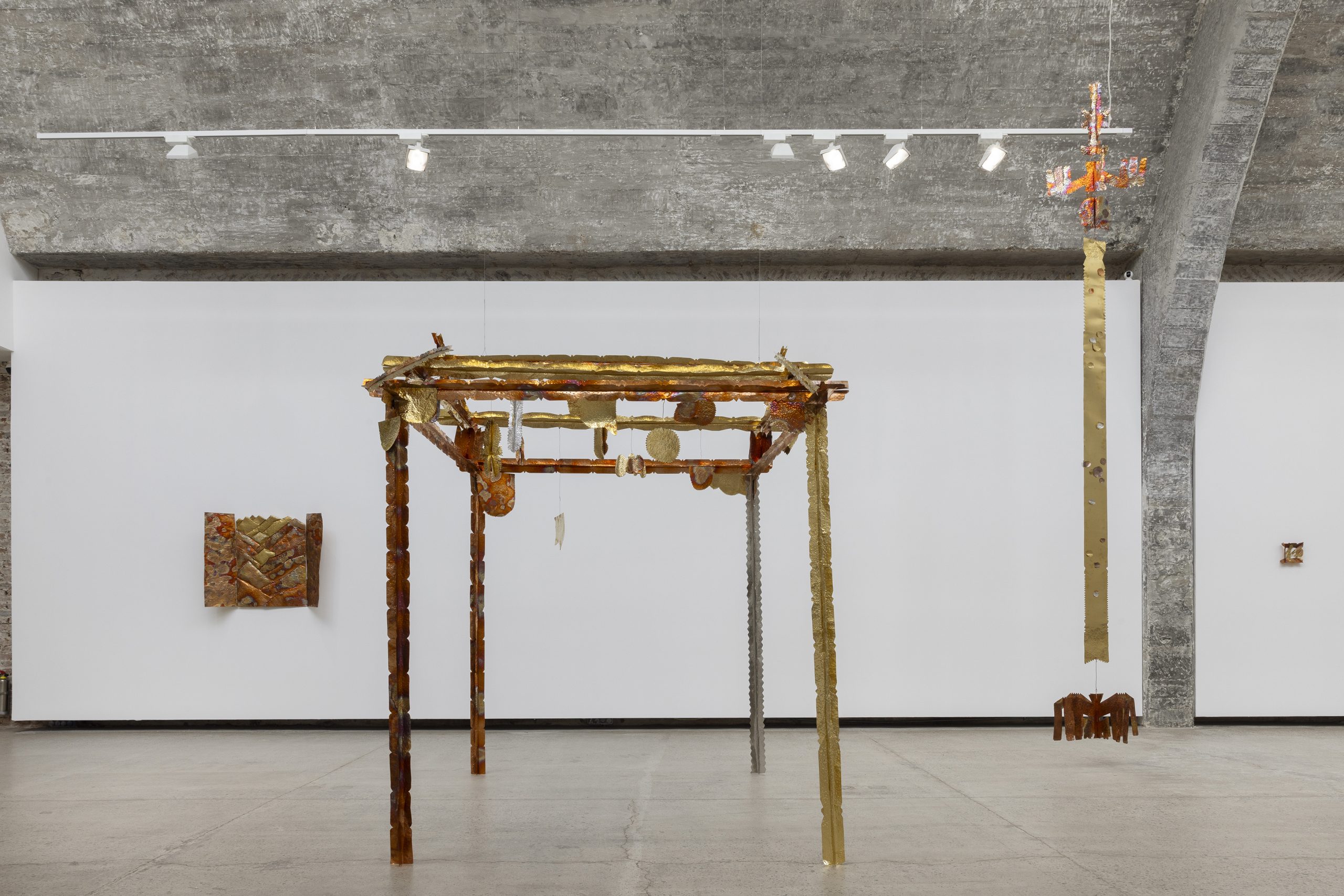
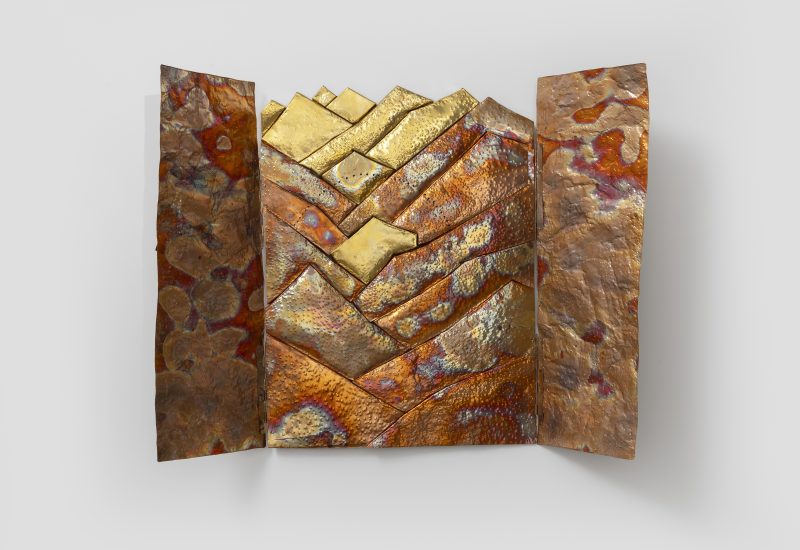
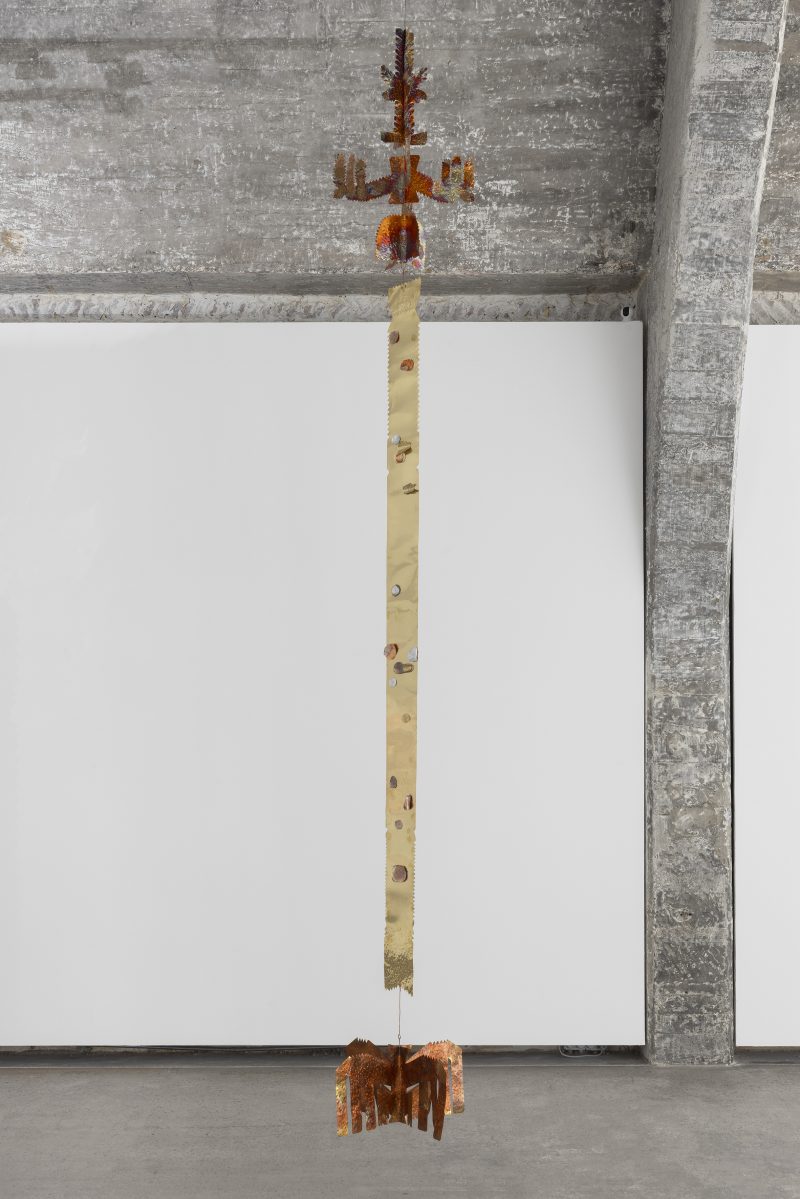
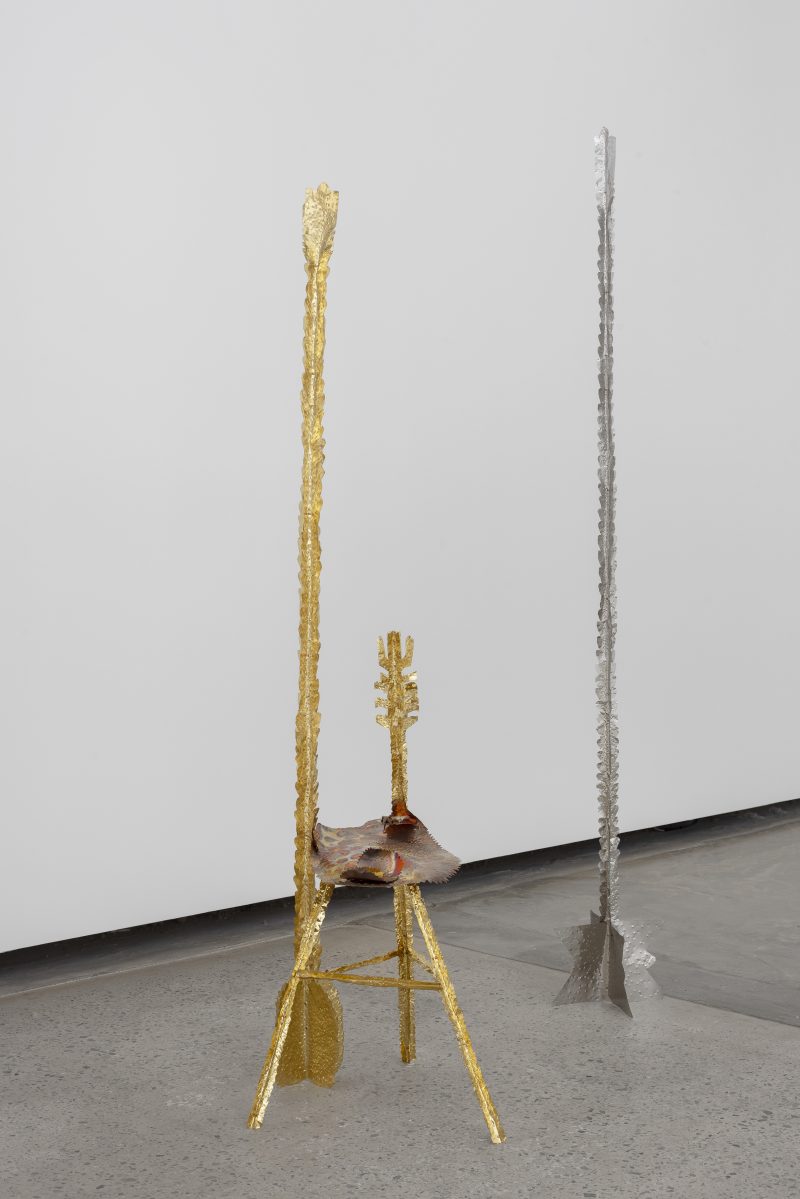
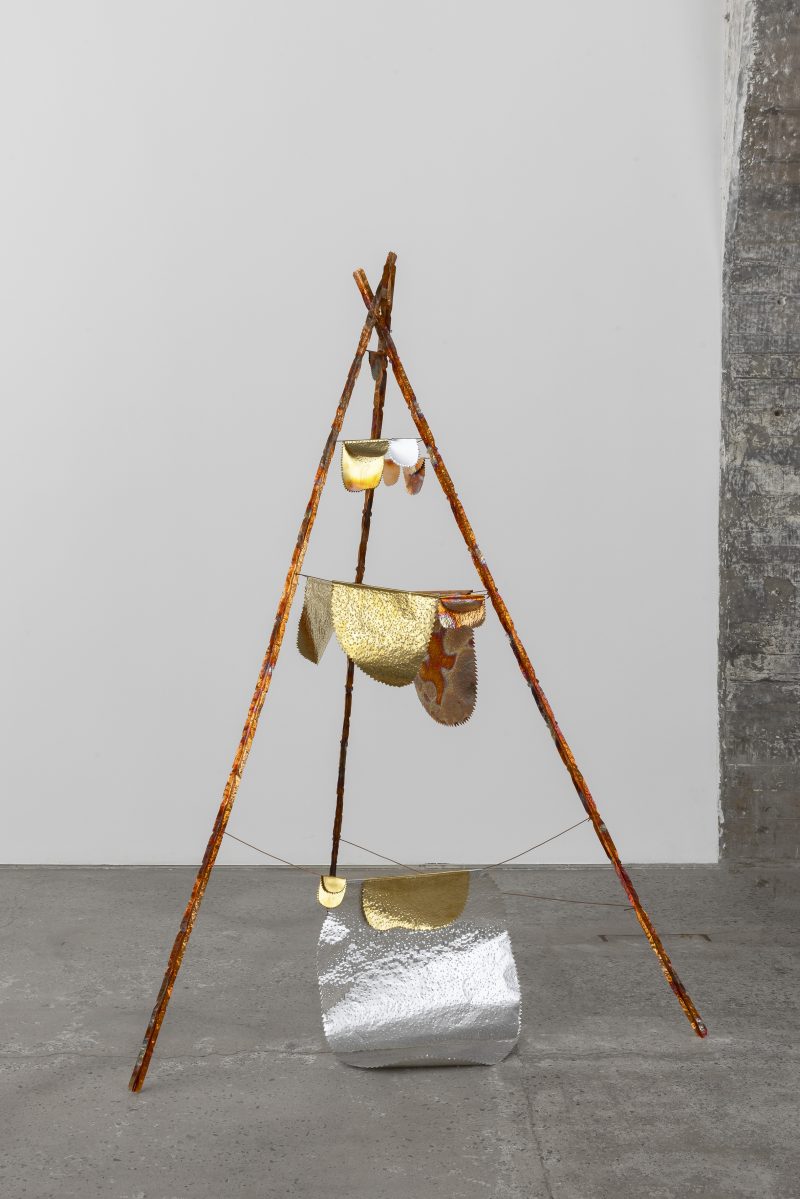
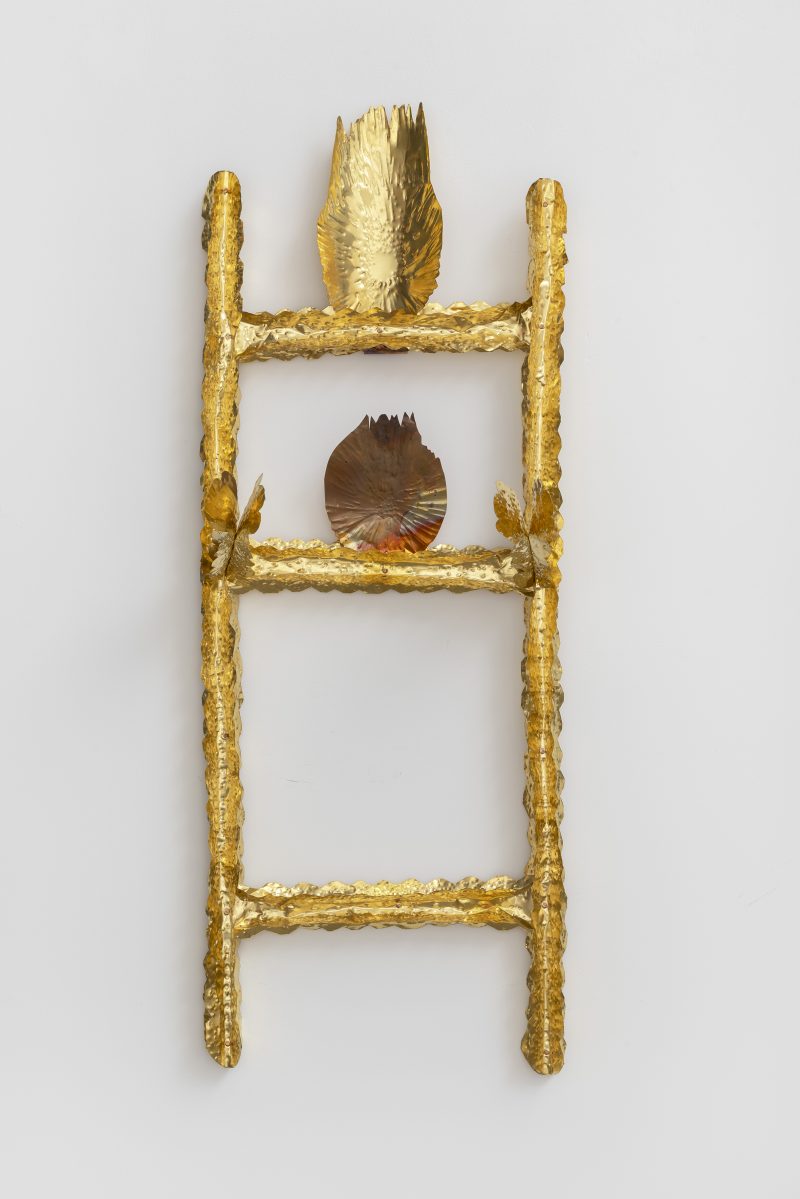
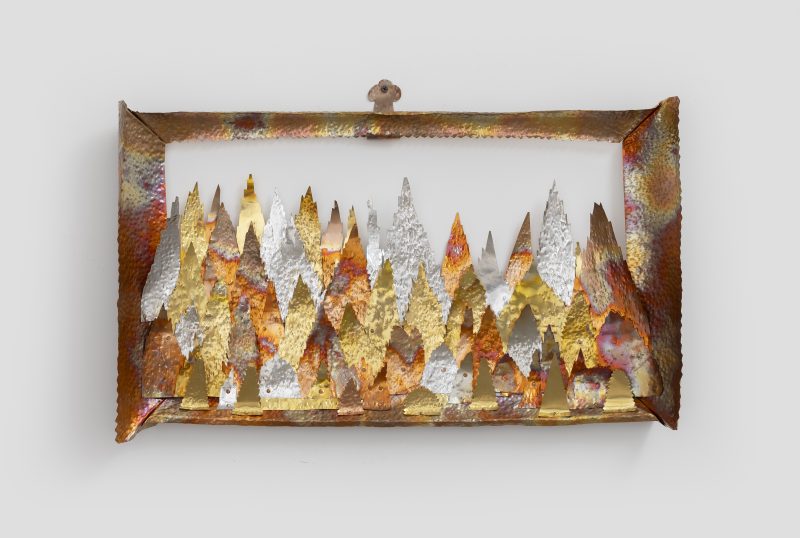
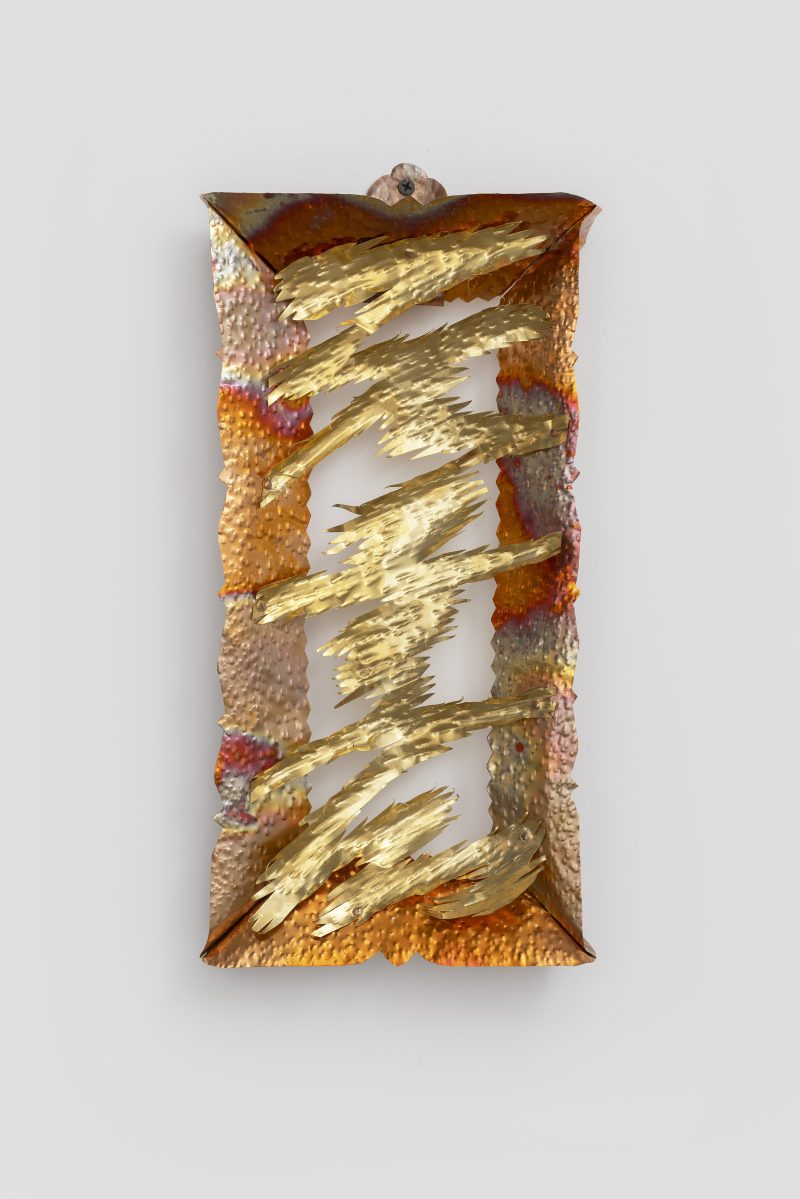
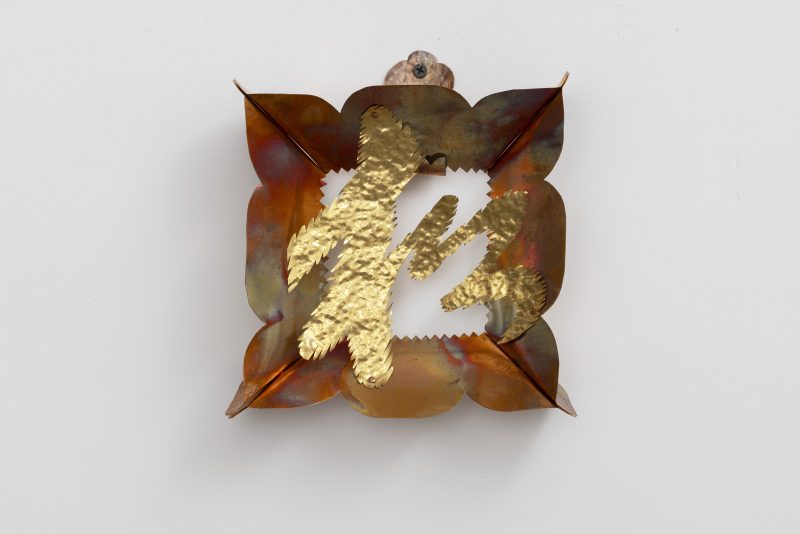
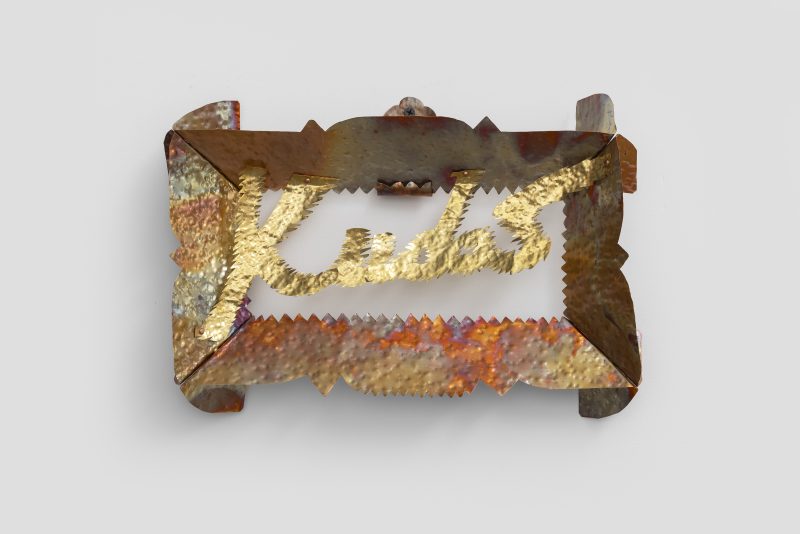
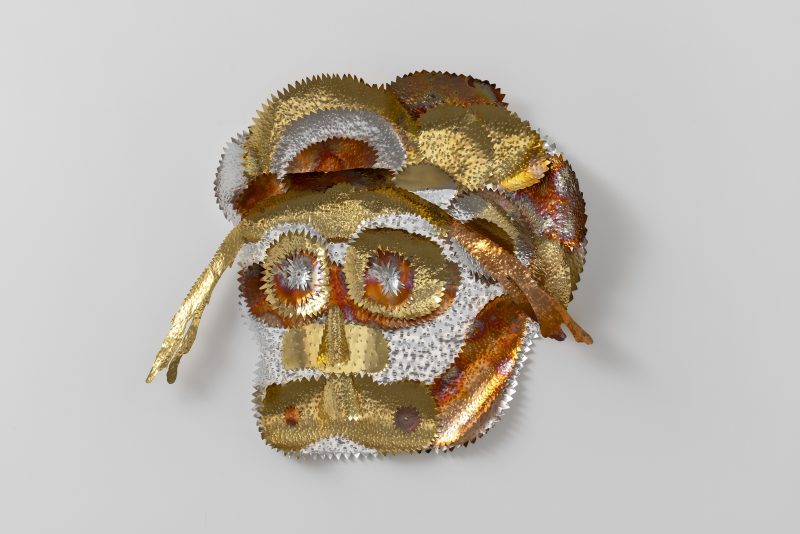
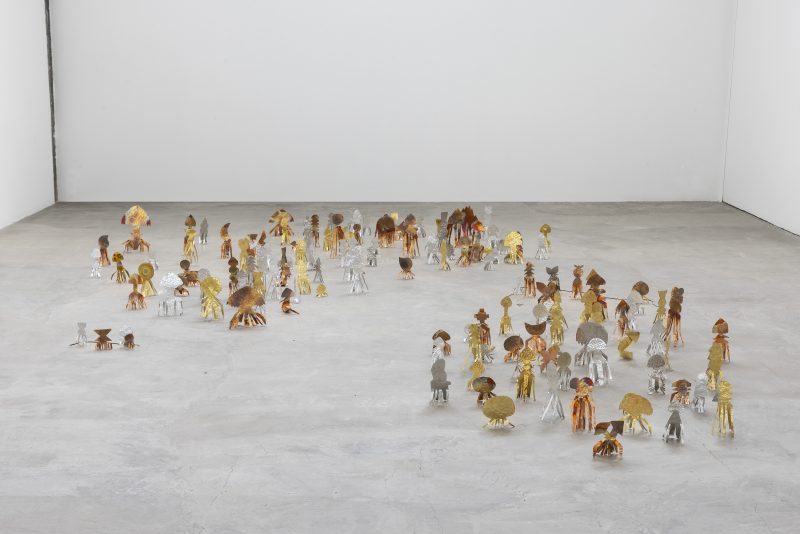
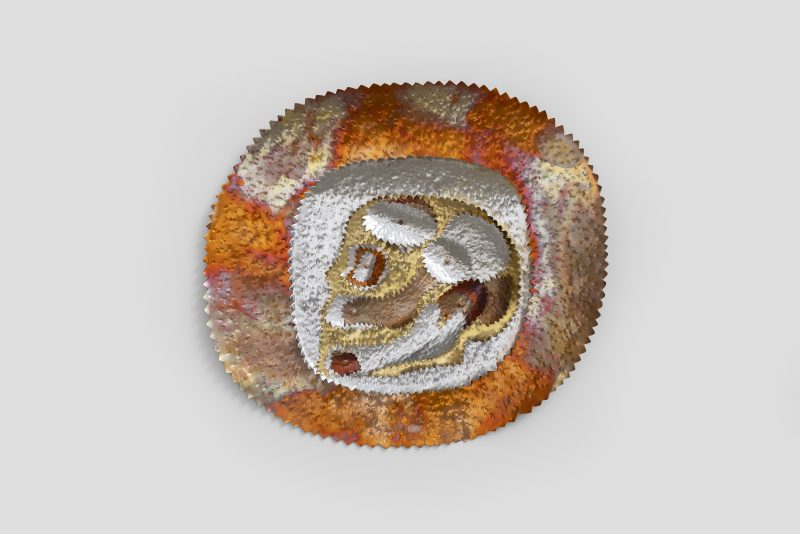
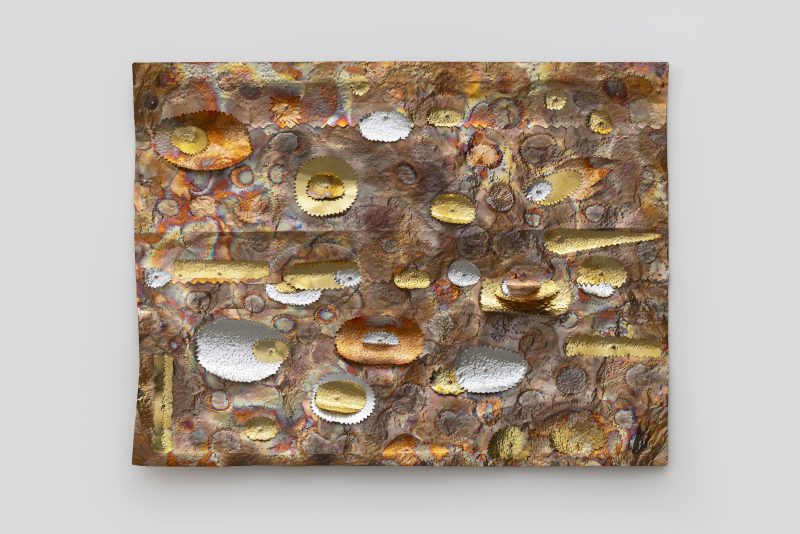
ZHANG Hua’s solo exhibition Poetry of Owls is born precisely from such borderlands. A golden halo emanates from the copper works, suffusing the entire space until it seems to become dusk itself. Across these patches of copper – some tarnished, some blazing – colour drifts between coming-into-being and fading-away, leaving behind strata like geological time. One is reminded of a more ancient era, when humans first learned to draw materials from the earth, and materials themselves were still primordial chaos. Whether fired in the forge into ritual vessels or into farming tools, they all came from the same soil, pointing back to a world where technique and magic had not yet parted ways.
In Yunnan, nature, spirits, and artefacts have never been separate, and ZHANG Hua has never strayed far from this land. Over the past decade, he has returned again and again to the same mountains and landscapes, and in this almost obstinate staying put, he has discovered another scale of time. Those seemingly ordinary things gradually slip free from everyday sight, revealing traces of a more primal life – a wild animism not yet fully explained by modern experience, hidden in hills and courtyards, in objects, and in the stories still passed down by word of mouth, until they coalesce into a territory suspended somewhere between dwelling, shrine, and ruin.
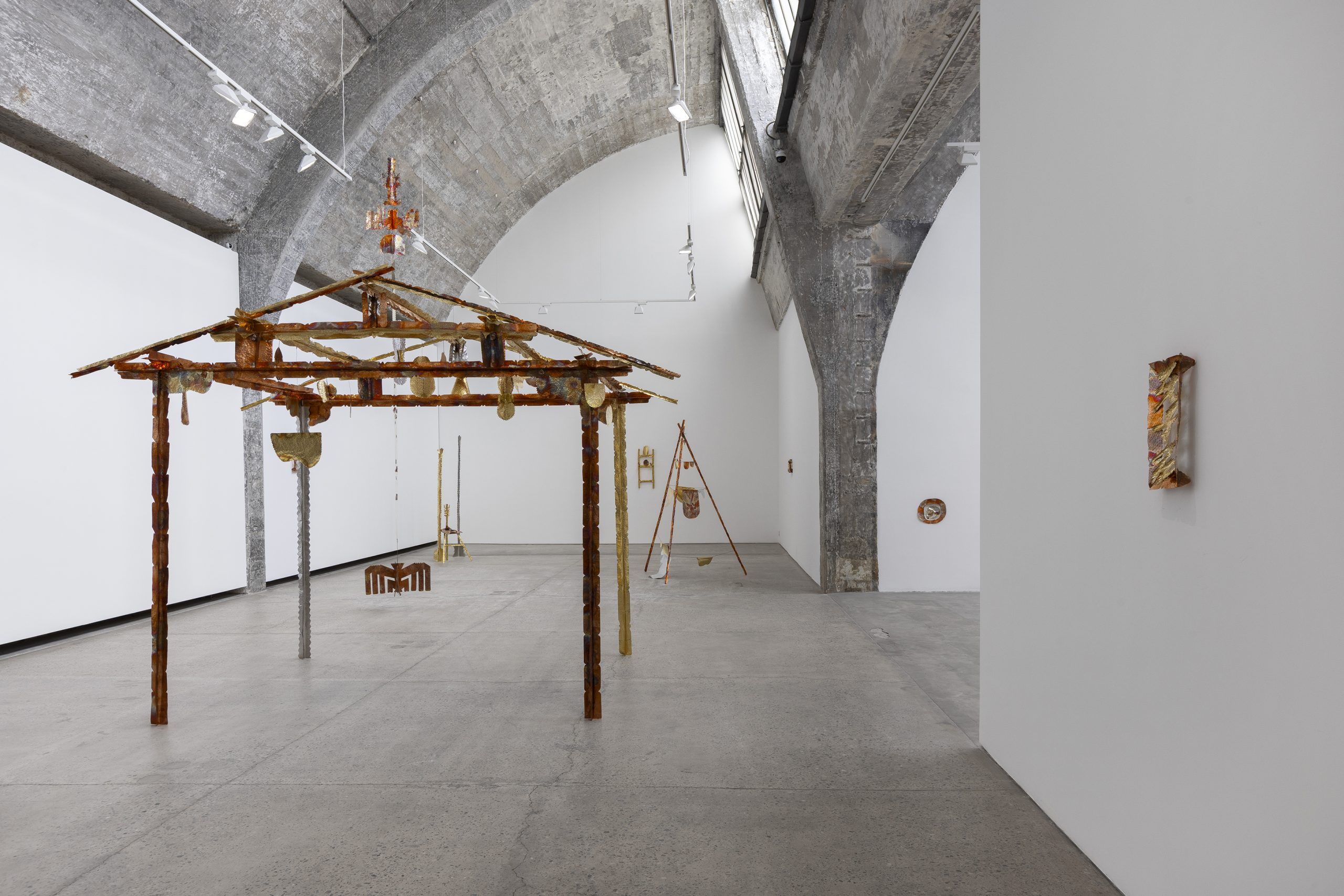
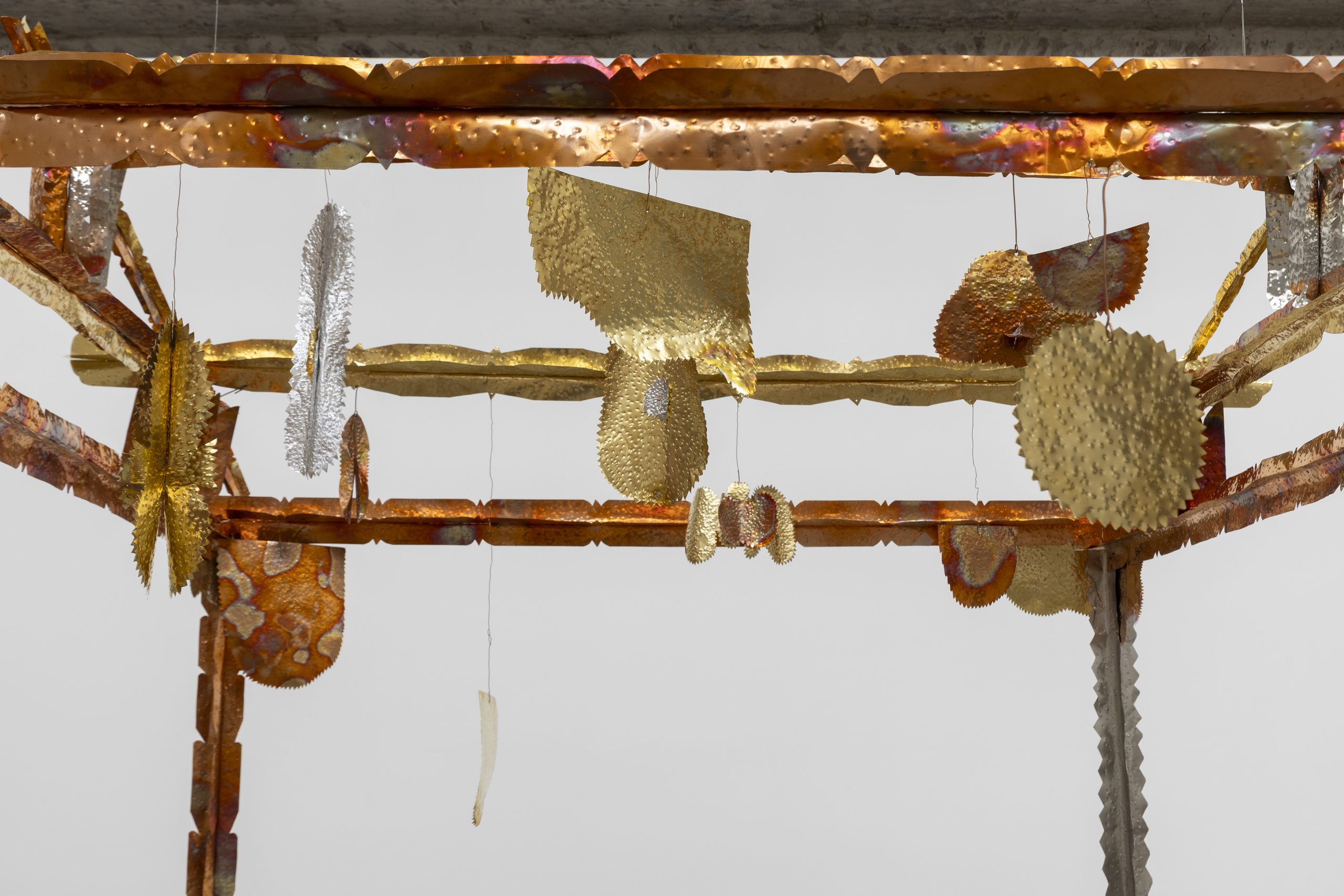
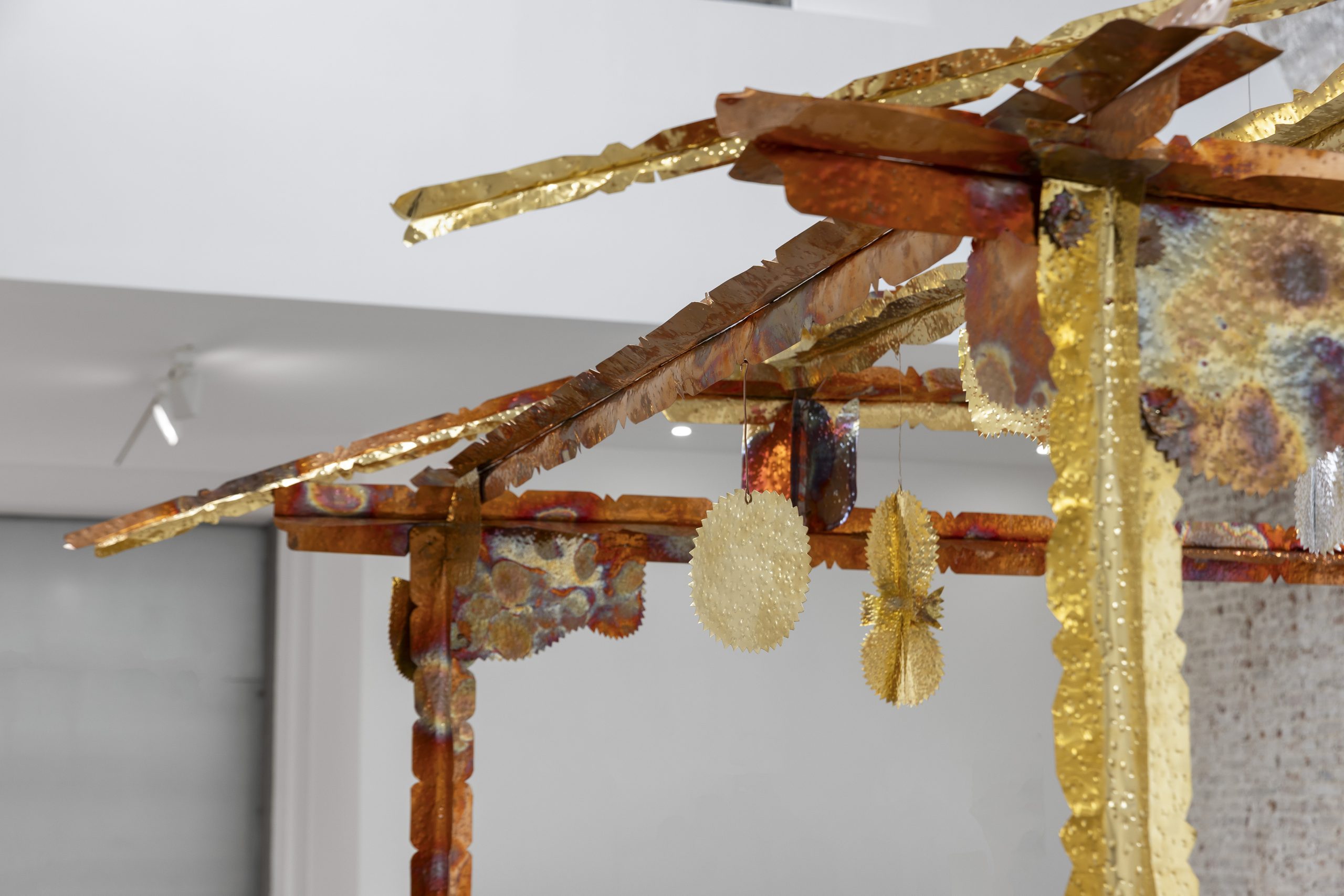
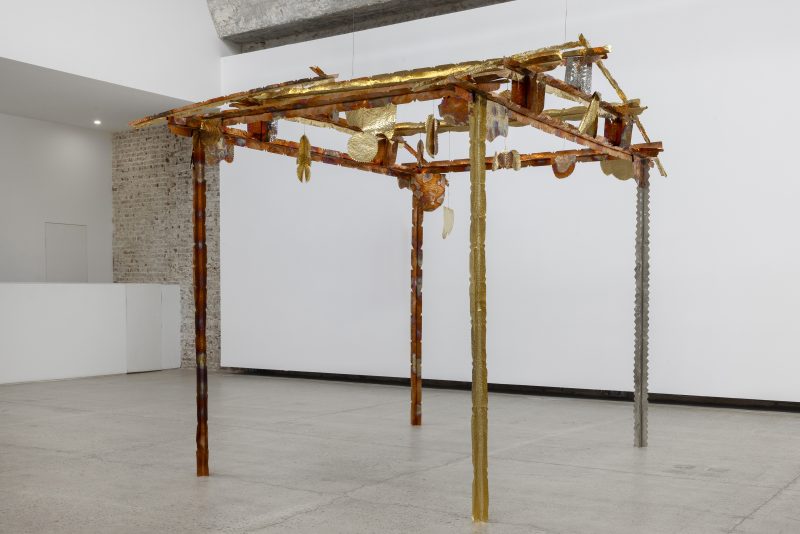
At the centre of the hall stands a pavilion modelled after one the artist actually lived in, brought indoors. It keeps the scale of an everyday vernacular structure, yet becomes uncanny through its honeycomb-like growth and its peculiar material textures – so that it reads at once as a shelter waiting to be entered, and perhaps as an altar whose purpose no one can name. A certain archaic ritual aura permeates the space. Alongside these architectural forms, jagged, serrated motifs recur throughout the works. These sharp contours evolve from the forms of plant leaves in nature, then are clipped and shaped by the artist’s hand, carrying with them a sense of danger, vigilance, and an untamed energy. In his recent works, ZHANG Hua has returned to this morphology repeatedly, seeking in it a language of the corporeal. In a digital world that grows ever smoother and frictionless, this sharpness recalls the body’s awareness of touch, weight, and pain.
Perception matters – because it is on perception that myth depends. Myth resides in an ordinary courtyard, where things forcibly separated by modern knowledge are momentarily restored to their capacity for mutual transformation. A seed can become a metaphor for a star; a honeycombed pavilion can become the vestige of an altar. The call of the henhu is never actually heard, yet it reverberates throughout the exhibition. Here, all things listen to one another; matter slowly deforms under the suction of time; and the sacred remains latent in the most everyday of things.
Installation Views